Tamron’s OEM Lens Sales Plummet As Company Considers Sony’s Takeover
Our take
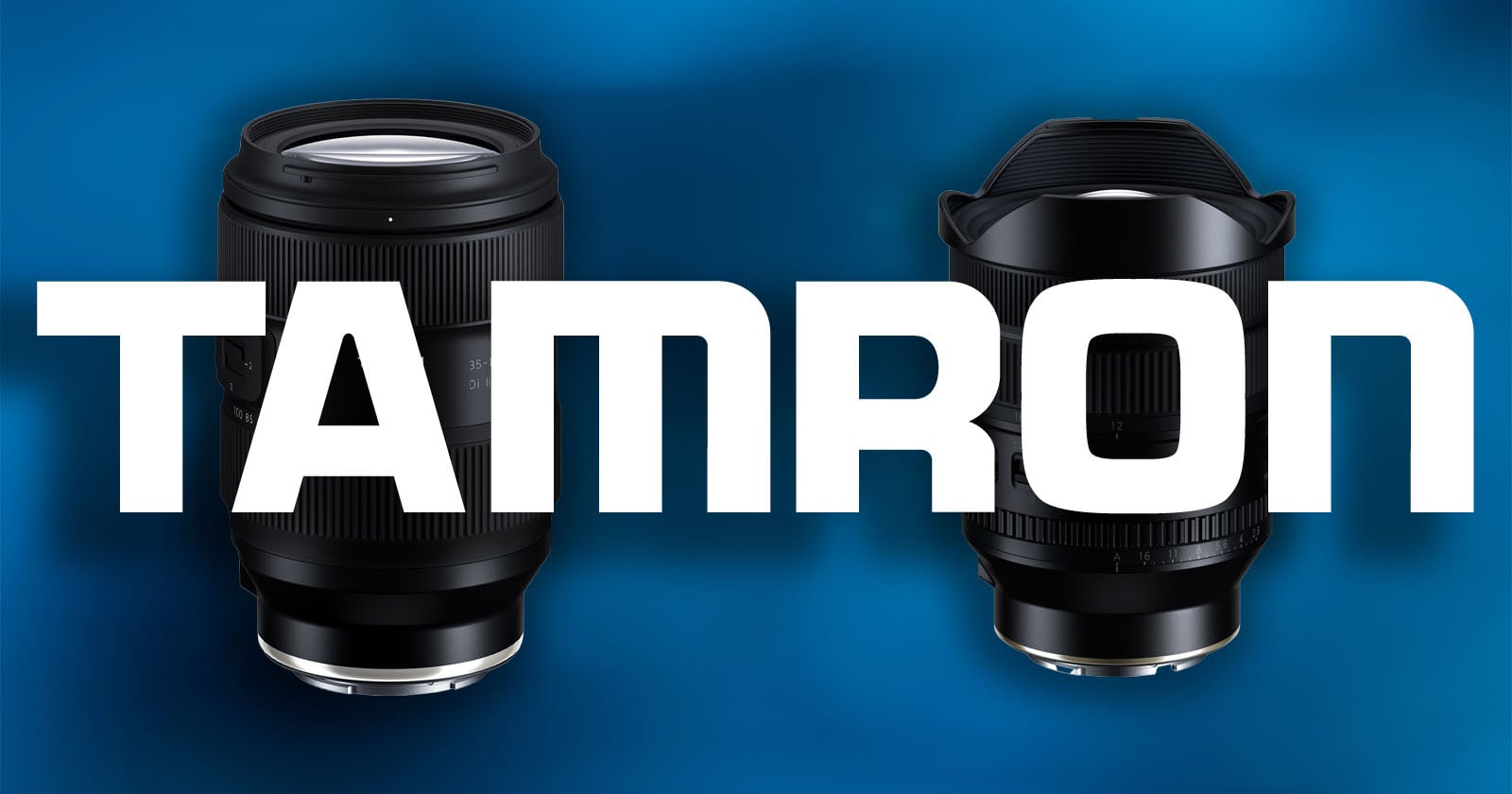
The recent financial report from Tamron, coupled with the ongoing rumors of a potential Sony acquisition, paints a fascinating and potentially disruptive picture for the photography lens market. Tamron’s transparency in detailing its OEM versus own-brand sales is always a point of interest, but the current circumstances elevate this report to a critical juncture. The plummet in OEM lens sales, where Tamron manufactures lenses for other brands, is particularly noteworthy, especially considering the broader industry trends. It raises questions about the health of the camera market itself, and Tamron’s ability to adapt. This situation echoes concerns previously raised about the value of photography pro services, as explored in Are Photography Pro Services Really a Waste of Money?, and highlights the challenges faced by companies navigating a rapidly evolving technological landscape. Furthermore, the potential for Sony’s involvement adds another layer of complexity, reminiscent of the surprising revelations about Apple seemingly spoiling an upcoming Nikon camera, as detailed in Did Apple Just Spoil an Upcoming Nikon Camera?.
The decline in OEM sales suggests a decrease in demand from other camera manufacturers, potentially due to shifting consumer preferences, supply chain issues, or even a consolidation of lens production within larger companies like Sony. Tamron’s strength has always been in offering high-quality, often more affordable, alternatives to the lenses produced by camera brands themselves. However, if those camera brands are increasingly choosing to develop and manufacture their own lenses, or are reducing their overall lens offerings, Tamron’s OEM business suffers significantly. The acquisition interest from Sony is intriguing; it could be a strategic move to secure Tamron's manufacturing capabilities and intellectual property, allowing Sony to further expand its lens portfolio and potentially offer even tighter integration between its cameras and lenses. It’s also possible Sony sees value in Tamron’s expertise in certain lens designs or manufacturing processes, areas where Sony might have gaps. The situation is complicated by the ever-present challenge of e-waste cameras, a concern previously explored in Godox C100 Review: A Troubled Viewpoint, as the market continues to grapple with the environmental impact of rapidly evolving technology.
The implications of a Sony acquisition are far-reaching. For Tamron’s own-brand business, it could mean access to Sony’s vast distribution network and marketing resources, potentially boosting sales and brand recognition. However, it could also lead to a homogenization of lens offerings, with Tamron’s unique designs and price points potentially being subsumed under the Sony umbrella. Competitors like Sigma and Viltrox, who have carved out niches as independent lens manufacturers, would likely face increased pressure. The photography community, which often values the diversity of lens options available, might see a reduction in choice. The acquisition could also accelerate the trend towards tighter integration between camera bodies and lenses, potentially limiting the ability of photographers to mix and match components from different manufacturers. It's a shift that could reshape the entire ecosystem.
Ultimately, the future of Tamron hinges on the outcome of the acquisition talks and its ability to adapt to the changing market dynamics. The plummeting OEM sales are a clear warning sign, and the potential acquisition by Sony represents both an opportunity and a threat. The lens market is a vital component of the broader photography landscape, and this development underscores the importance of innovation, adaptability, and strategic partnerships in navigating an increasingly competitive environment. The question remains: will Tamron retain its independent identity and continue to offer unique lens options, or will it become another piece in Sony's expansive photographic empire?
Tamron's financial results are always interesting thanks to the company's candor in breaking down its own-brand versus OEM lens production and sales data. However, Tamron's latest results are made even more compelling by the fact Sony is actively trying to acquire the lens maker, a very interesting move with huge potential implications.
Read on the original site
Open the publisher's page for the full experience