Tennessee Tourism Celebrates Real Photographers by Banishing AI Images
Our take
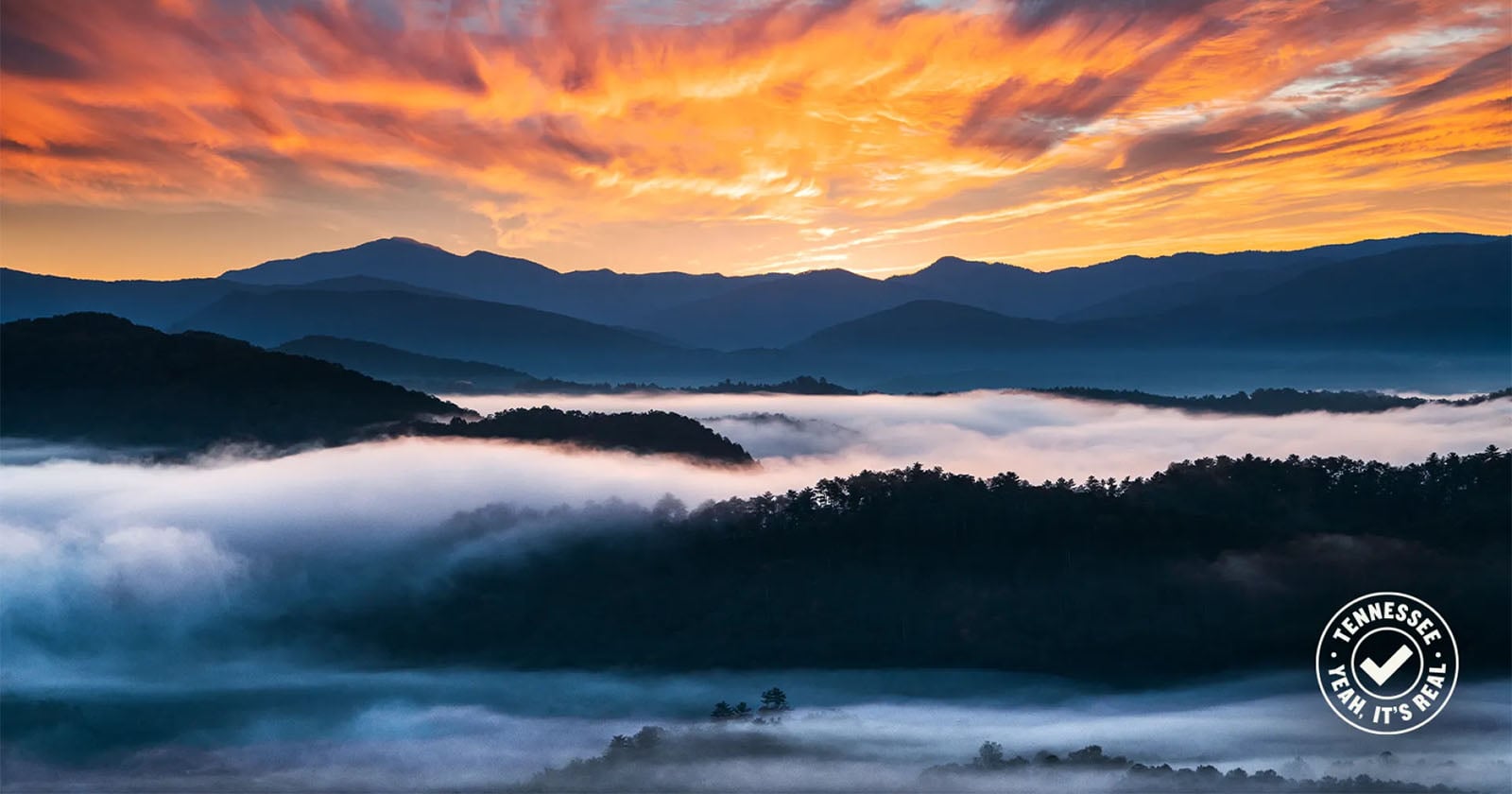
The Tennessee Department of Tourist Development's recent decision to ban AI-generated images from its promotional materials is a bold and, frankly, refreshing move in an increasingly synthetic visual landscape. It signals a deliberate rejection of the easy allure of digitally fabricated beauty in favor of authenticity – a message that resonates deeply with a growing segment of consumers who are becoming acutely aware of the pervasive presence of AI manipulation. The move isn't just about showcasing real landscapes; it's about affirming the value of human artistry and the integrity of photographic representation. It’s a conversation starter, and one that’s happening alongside discussions about the merits of celebrating the skill and vision of photographers, as evidenced by the recognition of talent in The World’s Best Aerial Photos Honored in International Competition. The shift reveals a deeper anxiety – and opportunity – within the tourism and creative industries.
The proliferation of AI image generators has undeniably democratized visual content creation, offering unprecedented accessibility and speed. However, this ease comes at a cost. The inherent lack of originality, the potential for misrepresentation, and the devaluation of human skill are all legitimate concerns. Tennessee’s stance underscores the importance of preserving the tangible connection between a place and its visual representation. It's a rejection of the uncanny valley effect, where images are *almost* real but lack the nuance and soul of genuine photography. This is further echoed in the appreciation for craftsmanship and process, which we often see in analog photography – a dedication that often comes with a reward, such as A Special Discount for Analog Film Photographers. The choice to prioritize real photographers not only supports their livelihoods but also guarantees a level of visual truthfulness that AI simply cannot replicate. Even seemingly unrelated creative pursuits, like the joy and care that goes into creating something delicious, such as The Ultimate Homemade Veggie Pizza Recipe, highlight the value of authentic creation.
The implications of Tennessee's decision extend far beyond the realm of tourism marketing. It sets a precedent for other industries grappling with the ethical and aesthetic challenges posed by AI-generated content. Will we see fashion brands, food companies, or even news organizations adopting similar policies? The answer likely depends on the evolving consumer sentiment and the increasing sophistication of AI detection tools. While AI can undoubtedly be a powerful tool for creative exploration, its uncritical adoption in contexts where authenticity and trust are paramount is a risky proposition. The emphasis on “real” photography isn't about rejecting technological advancement; it’s about maintaining a crucial distinction between simulation and genuine experience. It’s about recognizing that the imperfections and nuances inherent in human-captured imagery contribute to its power and appeal.
Ultimately, Tennessee’s move is a compelling argument for prioritizing human creativity and connection in a world increasingly dominated by algorithms. It’s a reminder that the value of a photograph lies not just in its visual appeal but also in the story it tells, the perspective it offers, and the human effort behind its creation. The question now is whether this bold stance will inspire a wider cultural reckoning about the role of AI in shaping our perceptions of reality, and whether other organizations will follow suit, leaning into a future where authenticity and artistry remain prized above all else.
In the age of AI-generated photos, Tennessee's Department of Tourist Development wants prospective visitors to know its beautiful sights are 100% real.
Read on the original site
Open the publisher's page for the full experience