The Best 5 Point-and-Shoot Analog Cameras for Gen Z
Our take
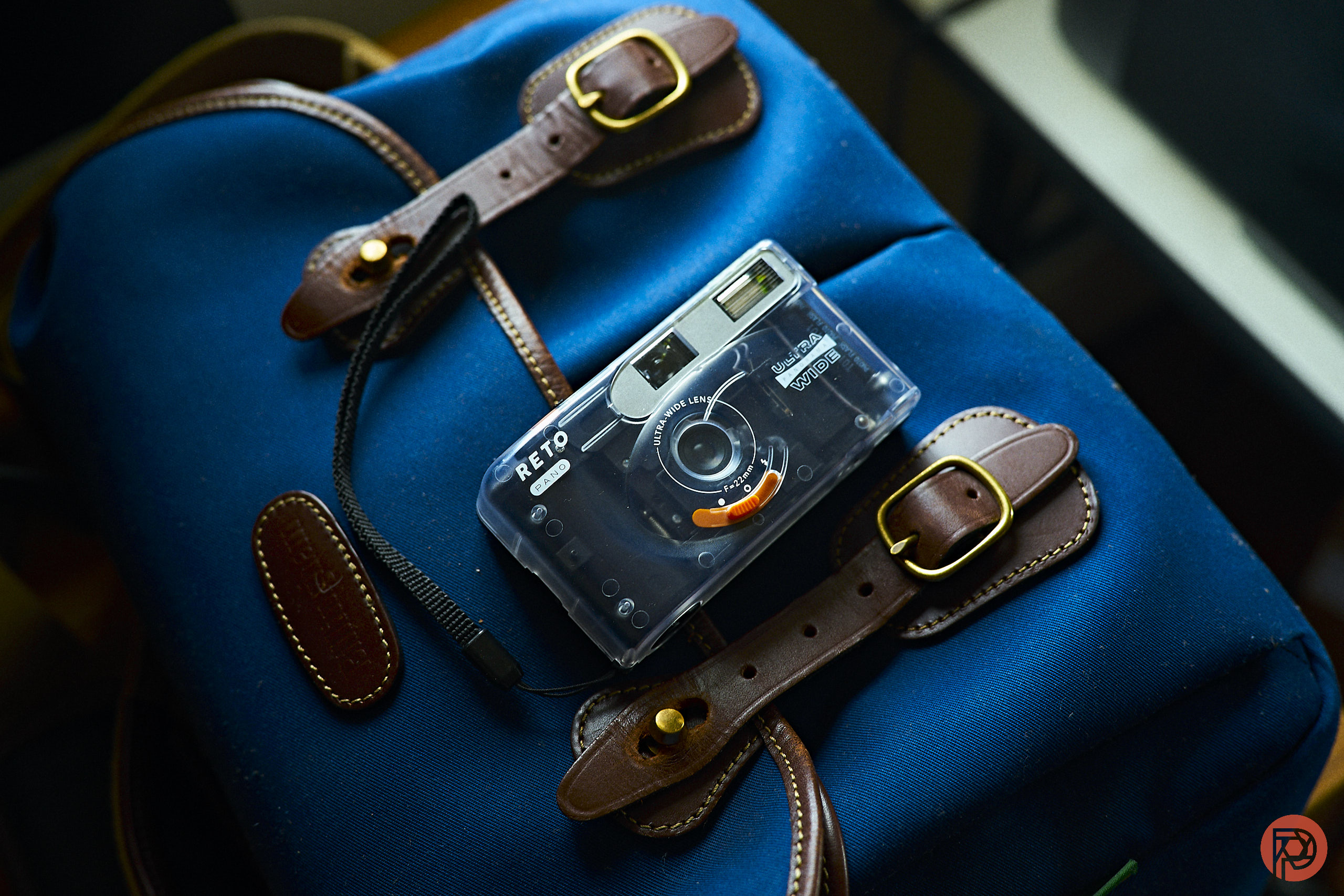
The resurgence of analog photography, particularly amongst Gen Z, isn't simply a nostalgic trend; it’s a deliberate aesthetic and philosophical choice. The appeal of point-and-shoot analog cameras, as highlighted in the recent piece "The Best 5 Point-and-Shoot Analog Cameras for Gen Z," speaks to a broader cultural shift away from the hyper-curated, digitally perfected imagery that dominates social media. It’s a desire for tangible results, for the beautiful imperfections inherent in film, and for a slower, more intentional approach to creation. This movement resonates deeply with our audience, many of whom are seeking authenticity in a world increasingly saturated with artificiality. The renewed interest reflects a deeper yearning for connection – not just with subjects, but with the process itself. As we explored in [In the Age of AI, Film Photographers are Most Authentic], the return to film offers a counterpoint to the increasingly pervasive influence of artificial intelligence, providing a space for genuine human expression.
The beauty of these point-and-shoot cameras lies in their accessibility and inherent limitations. They remove the technical complexities often associated with more advanced photographic equipment, allowing users to focus on composition and capturing a moment in time. This ease of use, combined with the unique color palettes and textures that film produces, creates a distinct aesthetic that is instantly recognizable and undeniably captivating. The seemingly random nature of film – the unpredictable results, the occasional light leaks, the grain – contributes to an artistic charm that digital photography often struggles to replicate. Consider, too, the recent legal challenges faced by celebrated photographer Annie Leibovitz, as detailed in [Annie Leibovitz Launches Copyright Lawsuit Over Her Image of Justin and Hailey Bieber]; the tangible nature of a photographic print – a physical artifact – underscores the importance of ownership and creative rights in an increasingly digital landscape, a concern particularly relevant to young artists.
Beyond the aesthetic, the return to analog represents a rejection of instant gratification. The process of loading film, taking photographs, and then waiting for the development process is a deliberate slowdown, a mindful engagement with the act of creating. It fosters a deeper appreciation for each image, knowing that each frame is precious and represents a moment captured in time. This contrasts sharply with the endless stream of digital photographs that are often discarded or forgotten. The tangible nature of film prints also encourages a more thoughtful selection process, leading to a curated collection of cherished memories. And while technological innovation continues at a rapid pace, as evidenced by products like [Godox’s New Lux Junior II Flash Is Stylish and Flexible], the enduring appeal of analog demonstrates the value of simplicity and craftsmanship.
The movement isn't just about recreating the past; it’s about forging a new creative path, blending vintage aesthetics with contemporary perspectives. Gen Z photographers are not simply mimicking older generations; they are reimagining analog photography through their own unique lens, using it to express their individuality and challenge conventional norms. The rise in popularity of film photography communities online and the proliferation of vintage camera shops are testaments to this growing enthusiasm. It’s a fascinating intersection of technology, art, and culture, and the flourishing market for point-and-shoot cameras is clear evidence that the analog revolution is far from over. As accessibility to cameras and processing increases, will we see a further democratization of film photography, and will this lead to a new wave of artistic innovation, pushing the boundaries of the medium in unexpected and exciting ways?
Read on the original site
Open the publisher's page for the full experience