The Best 5 Rangefinder-Style Cameras To Buy in 2026
Our take
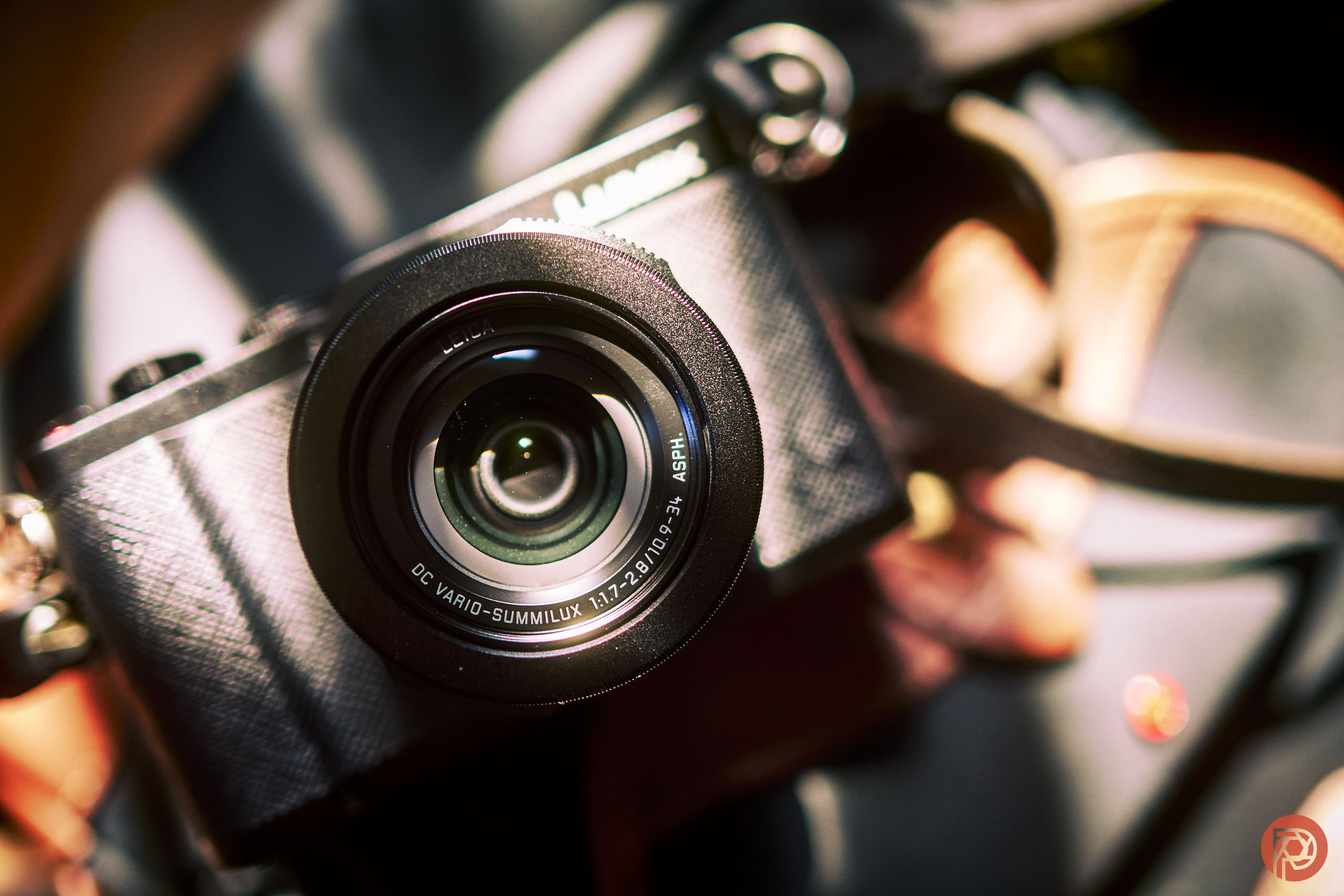
## Our Take: The Enduring Appeal of the Rangefinder – And What the Future Holds
The resurgence of rangefinder-style cameras, as highlighted in recent articles like The Modern Photographer's Guide to Rangefinders and Why Rangefinders Still Matter in the Digital Age, isn't merely a nostalgic trend; it’s a testament to the enduring appeal of a specific photographic experience. This piece, focusing on the best options for 2026, taps into a growing desire for a more deliberate, tactile connection with the craft. While mirrorless systems continue to dominate in terms of sheer technological advancement - offering incredible autofocus speeds and video capabilities – rangefinders offer a unique counterpoint: a slower, more considered approach to image-making. The compact form factor, a hallmark of the rangefinder design, is increasingly attractive to photographers who value portability without sacrificing image quality. This isn’t about chasing the latest megapixel count or the most complex algorithms; it’s about embracing a philosophy of mindful creation. The emphasis on manual focus, coupled with the often-smaller sensor sizes inherent in some rangefinder systems, encourages photographers to truly *see* the scene, to anticipate the moment, and to master the fundamentals of composition and light.
The selection of “best” cameras for 2026, as we anticipate, will reflect this shift. We expect to see continued innovation within the rangefinder space, likely focusing on enhanced ergonomics and refinements to existing models rather than radical departures from the classic design. Manufacturers are keenly aware of the niche appeal – and the passionate community – that surrounds rangefinder photography. The ability to offer a premium product with a distinct character, one that prioritizes experience over sheer specs, is a powerful differentiator in a crowded market. Furthermore, the rise of boutique lens manufacturers specializing in high-quality optics for these systems is further fueling the appeal, offering photographers a wider range of creative tools. Consider, for instance, the growing interest in vintage lenses adapted to modern digital rangefinders, a practice explored in detail in Adapting Vintage Lenses: A Guide for Modern Photographers. This flexibility and customization represent a significant advantage for photographers seeking a truly personalized workflow.
The increasing sophistication of digital sensors, even those found in smaller formats, allows rangefinder cameras to maintain a competitive edge in image quality. While a full-frame sensor generally wins out in low-light performance, the unique aesthetic often associated with smaller sensors – a characteristic "look" with shallower depth of field and a certain graininess – is actively sought after by some photographers. This isn't a deficiency; it's a stylistic choice. The appeal isn’t solely about technical superiority, but about evoking a specific mood or aesthetic. Rangefinders inherently encourage a different way of working, one that rewards patience and precision. This aligns with a broader cultural trend towards slowing down, being more intentional, and rejecting the relentless pursuit of "perfect" imagery often promoted by social media. Ultimately, the longevity of the rangefinder format lies in its ability to offer a refuge from the constant technological churn, a space for photographers to reconnect with the art of seeing.
Looking ahead to 2027 and beyond, the crucial question becomes: will manufacturers continue to invest in developing new rangefinder bodies, or will the focus remain on supporting and refining existing systems? While the market volume is significantly smaller than that of mirrorless or even DSLR cameras, the community's loyalty and willingness to invest in high-quality equipment ensures a dedicated audience. The integration of computational photography techniques – like enhanced dynamic range or improved noise reduction – without compromising the core rangefinder experience will be a key challenge and opportunity for manufacturers. The balance between honoring the heritage of rangefinder photography and embracing modern technology will ultimately determine the long-term viability of this iconic camera format.
Read on the original site
Open the publisher's page for the full experience