The Biggest Scam in Film Photography
Our take
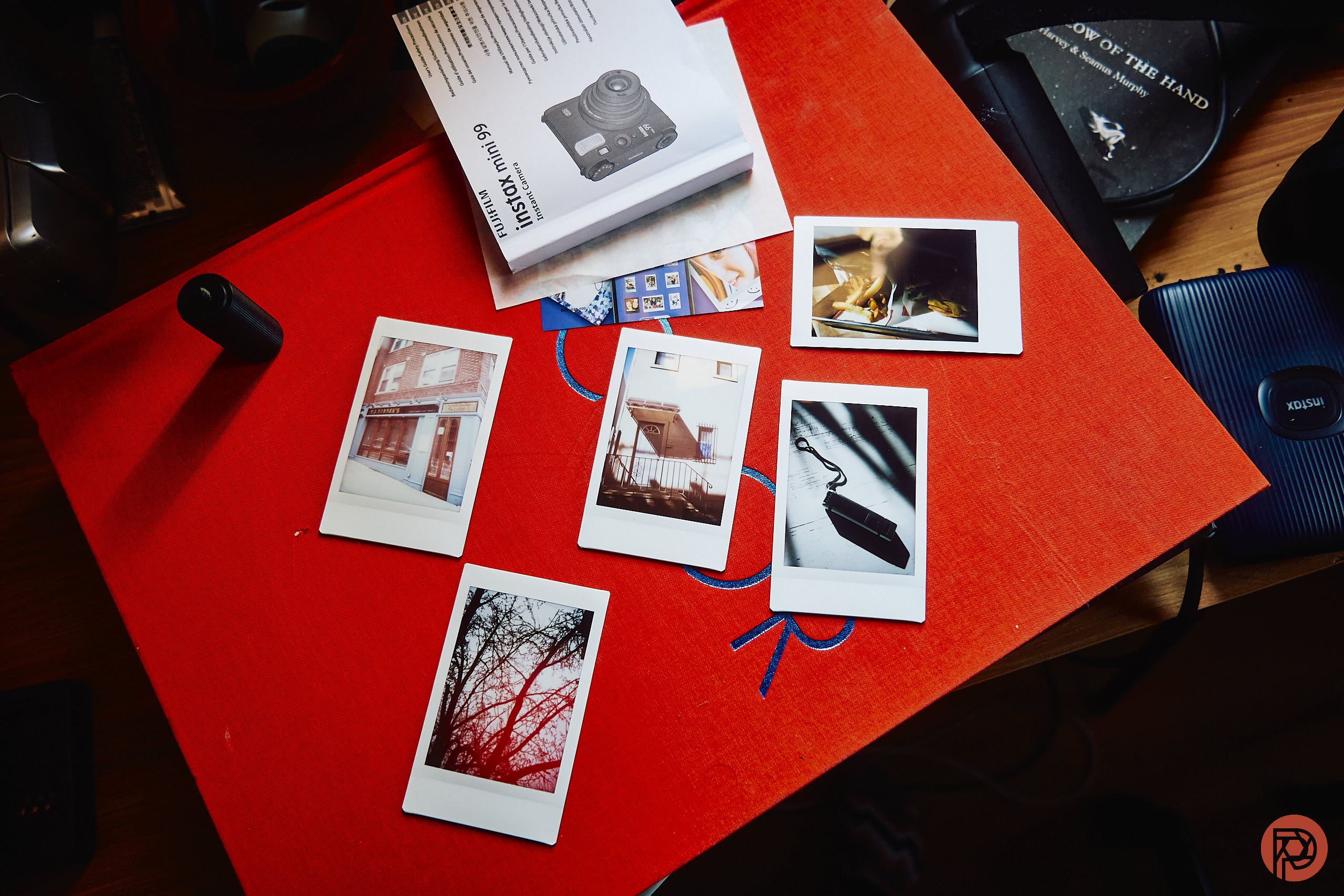
The recent piece from The Phoblographer, declaring instant film "the biggest scam in film photography," is a provocative statement that deserves careful consideration, particularly for our audience who appreciate both the artistry and the tangible experience of photography. It’s a sentiment that resonates with a certain logic – the author’s point being that the emotional connection and the storytelling potential inherent in photographs, whether instant or digital, are ultimately independent of the medium itself. We’ve seen a resurgence of interest in physical prints lately, evidenced by Michaels Expands Same-Day Photo Printing and Framing In its Stores Michaels Expands Same-Day Photo Printing and Framing In its Stores, demonstrating a desire for tangible representations of memories. Yet, the allure of instant film persists, seemingly defying the author's argument. It's a fascinating tension, one that speaks to the complex interplay between technology, nostalgia, and the human desire for unique, handcrafted experiences. And, as we've seen with the ongoing debate surrounding memory card reliability, I Visited Lexar in China to Find Out Whether Photographers Can Trust Its Memory Cards, trust and perceived value are paramount in photographic tools.
The core of the argument, as the author lays out, hinges on the accessibility of similar emotional resonance through digital photography. The ability to meticulously curate, edit, and archive digital images, coupled with the ease of sharing and revisiting them, effectively negates the perceived advantage of instant film's immediate gratification. The instantaneity, the very characteristic that defines the medium, becomes almost irrelevant when weighed against the comprehensive capabilities of digital workflows. The author's personal anecdote – the box of instant film images representing years of memories – is countered by the realization that a similar collection, equally rich in narrative, could be assembled digitally. This isn’t necessarily a dismissal of the aesthetic qualities of instant film, which are undeniably unique and valued by many. Rather, it’s a questioning of its fundamental *raison d'être*. Why invest in a relatively expensive, chemically-dependent process when the essence of photography – capturing and preserving moments – can be achieved with far greater flexibility and control? The appeal, perhaps, isn't about the photograph itself but the ritual, the deliberate slowness, and the tactile nature of the process which echoes a time before rapid-fire digital capture.
However, to completely dismiss instant film as a "scam" feels overly reductive. The enduring popularity of brands like Polaroid and Instax suggests a deeper appeal than mere nostalgia. There's a certain charm in the imperfections of instant film – the light leaks, the color shifts, the unpredictable development – that digital photography, with its pursuit of technical perfection, often lacks. It’s a different kind of beauty, a beauty born of chance and imperfection. Consider, too, the rise of specialized lenses and accessories catering to niche photographic interests, such as the recent Voigtländer Nokton 35mm f/1.4 Arrives on RF and Z Mount Next Month The Voigtl-nder Nokton 35mm f/1.4 Arrives on RF and Z Mount Next Month, demonstrating continued investment and innovation within the analog space. While digital photography offers unparalleled convenience and control, instant film offers something different: a deliberate disconnect from the digital world, a chance encounter with the unexpected, and a tangible artifact that embodies a specific moment in time.
Ultimately, the question isn't whether instant film is "worth it" in a purely practical sense, but rather what it represents to the photographer and the audience. It’s a reminder that photography is more than just capturing an image; it's about the process, the intention, and the emotional connection we forge with our subject and our craft. As technology continues to evolve at an accelerating pace, will the allure of instant film endure, not as a replacement for digital photography, but as a complementary practice that celebrates the beauty of imperfection and the power of tangible memories? Or will the author’s perspective—that the emotional core of photography transcends the medium—eventually become the dominant narrative, relegating instant film to a niche hobby for those seeking a distinctly analog experience?
Read on the original site
Open the publisher's page for the full experience