The Camera That Feels Built for Street Photography – The Fujifilm X-Pro in 2026
Our take
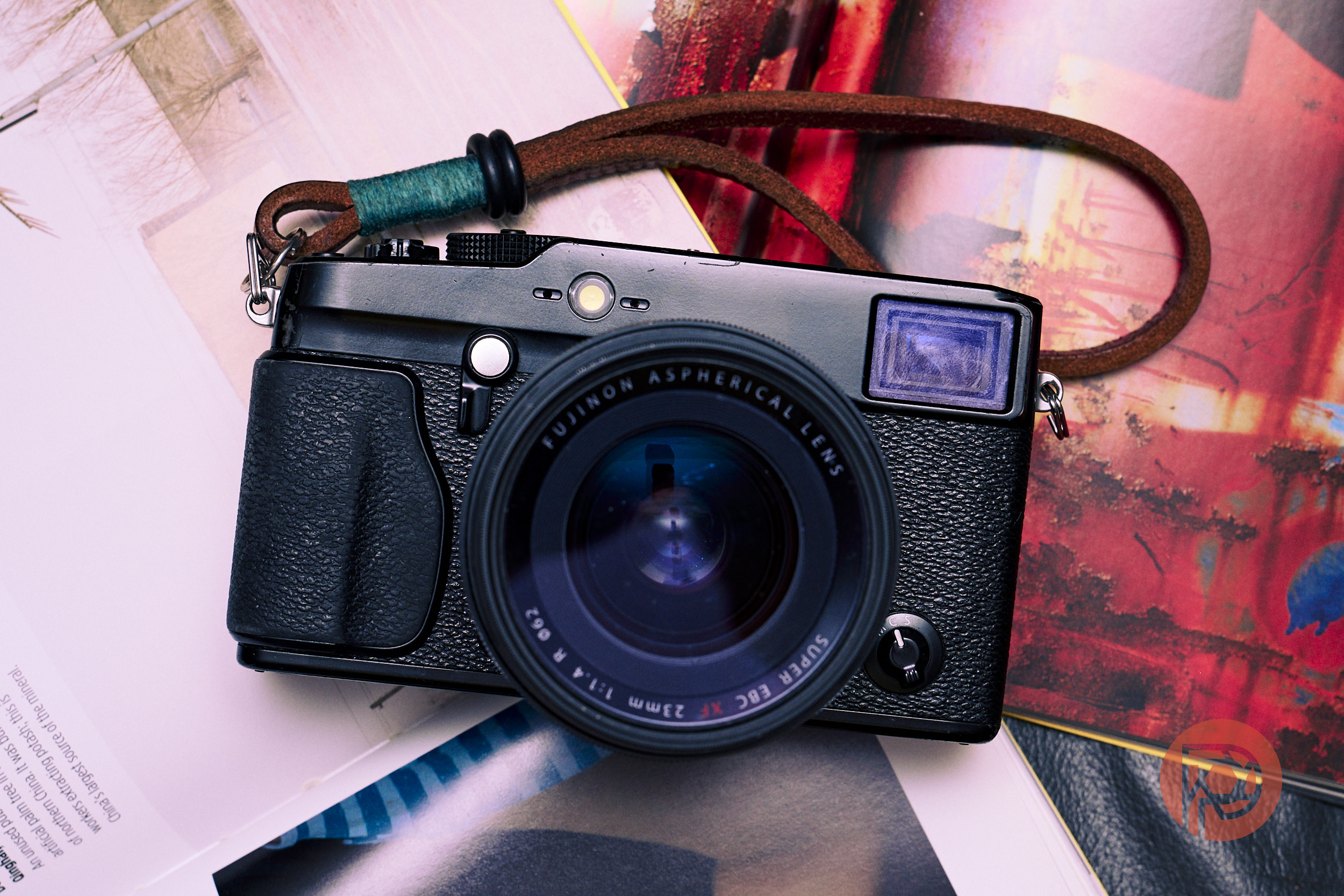
The Fujifilm X-Pro series has always existed in a fascinating niche – a deliberate anachronism in an increasingly digital world. The recent piece pondering the camera’s viability in 2026, and the rediscovery of street photography it inspired, resonates deeply with our audience’s appreciation for the tangible and the authentic. It’s a sentiment echoed in the enduring popularity of Fujifilm's other offerings, as evidenced by [Over Two Years After Launch, the Fujifilm X100VI Atop a Sales Chart Feels Inevitable], highlighting the brand’s sustained success. This isn't simply about camera sales; it’s about a broader cultural shift away from fleeting digital experiences and towards objects that offer a richer, more considered interaction. The X-Pro’s hybrid viewfinder, offering both optical and electronic options, embodies this desire for both immediacy and technical capability, a unique selling point that continues to attract a discerning clientele. The resurgence in appreciation for analog processes, mirrored in the revival of Polaroid – as explored in [Inside the Only Polaroid Factory in the World That Serves as an Antidote to the Digital Age] – further underscores this trend.
The beauty of the X-Pro lies in its deliberate limitations. It forces a slower, more intentional approach to photography, a welcome antidote to the rapid-fire shooting style often encouraged by modern smartphones and mirrorless systems. The lack of real-time review, the deliberate absence of certain features, fosters a greater reliance on intuition and composition. This isn’t a camera for capturing every fleeting moment; it’s a tool for crafting carefully considered images. The recent article’s rediscovery of the joy of street photography through this lens speaks volumes. It suggests that in a world saturated with digital content, the deliberate constraints of the X-Pro can actually unlock a more profound artistic connection. The camera’s manual focus capabilities, coupled with its beautiful film simulations, invite a level of engagement rarely found in more automated systems. It’s a return to the fundamentals, a recalibration of the creative process. Even the competitive landscape, as discussed in [Insta360 and DJI Hate Each Other | The PetaPixel Podcast], demonstrates a fragmentation of the market, with different companies appealing to distinct user needs – Fujifilm distinctly capturing those seeking a more deliberate, artistic workflow.
The question of the X-Pro’s relevance in 2026 isn’t about its technical specifications compared to newer models; it’s about its continued ability to fulfill a specific, deeply felt need. While technological advancements will inevitably continue, the desire for a camera that encourages thoughtful engagement, that prioritizes artistry over automation, is unlikely to disappear. The X-Pro’s design, its ergonomics, and its unique shooting experience have cultivated a devoted following, a community that appreciates the camera’s quirks and celebrates its distinct character. This isn't a mass-market appeal; it's a cultivated connection with a specific type of photographer – one who values the journey as much as the destination, the process as much as the final image. Fujifilm's commitment to maintaining and refining this niche, rather than chasing mainstream trends, is a testament to their understanding of their core audience.
Looking ahead, it will be fascinating to observe how Fujifilm continues to evolve the X-Pro line while preserving its essential character. Will they introduce new features that enhance the experience without compromising its core philosophy? Or will they double down on the camera’s deliberately analog feel, further distinguishing it from the increasingly homogenized landscape of digital photography? The answer likely lies in their continued ability to anticipate and cater to the evolving needs of the creative community, the very audience who appreciates the camera's unique ability to reignite a passion for the art of photography. Ultimately, the success of the X-Pro in 2026 will depend not on its technological prowess, but on its enduring ability to inspire and connect with those who seek a more authentic and artistic way of seeing the world.
Read on the original site
Open the publisher's page for the full experience