The Cameras That Tell the Story of 9/11
Our take
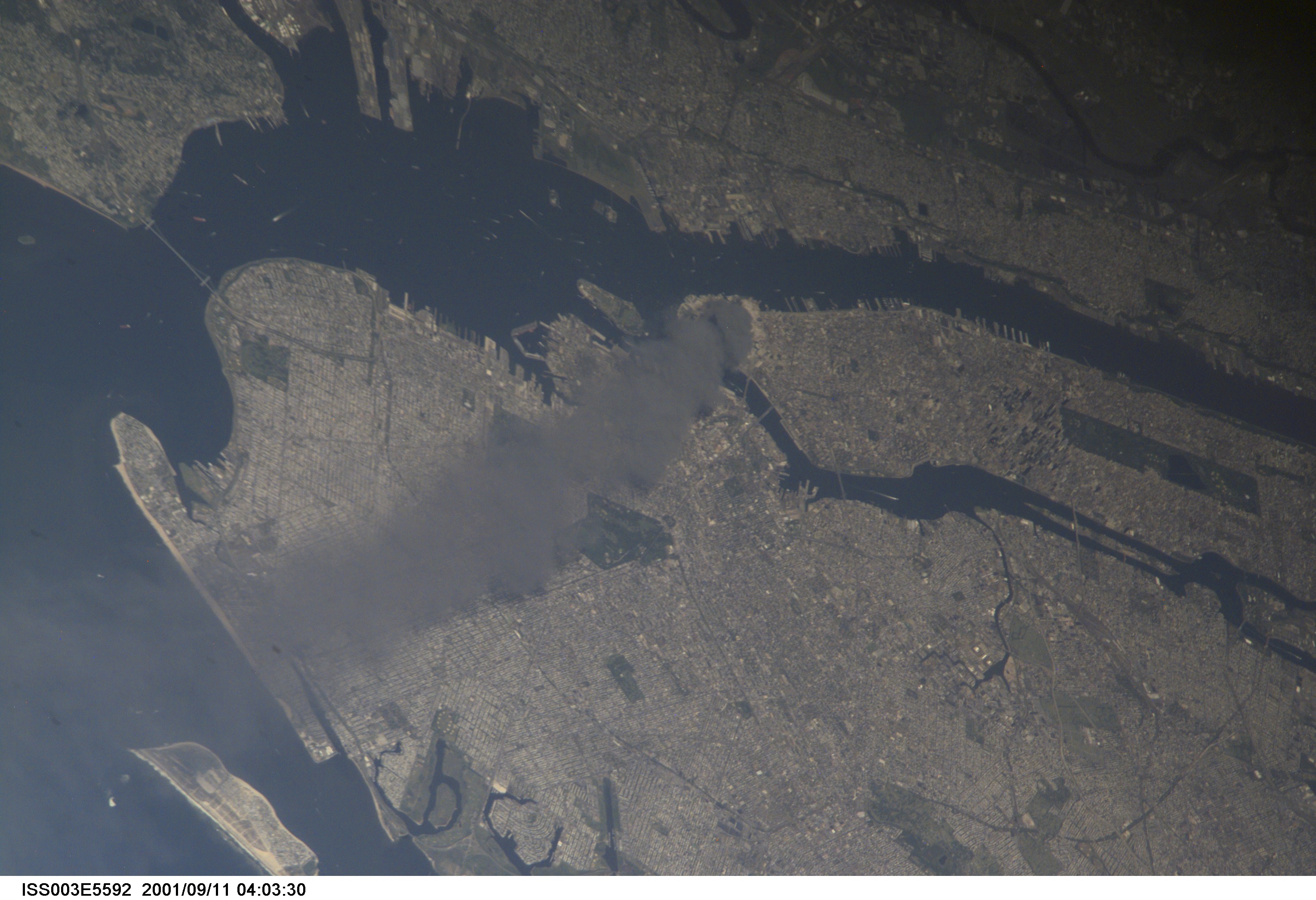
The annual remembrance of 9/11 by *The Phoblographer* isn’t simply a scheduling quirk; it’s a deeply personal and resonant commitment rooted in lived experience. The editor's account of witnessing the second plane strike from his youth underscores the profound impact the event continues to have, and the publication’s dedication to highlighting the photographers who documented that day feels entirely appropriate. It’s a stark reminder of the power of photography to capture history, to bear witness to tragedy, and to offer a visual record for future generations—a power explored in detail within What Happens When Your Photograph Becomes a Viral Meme?. The willingness to forgo other content on this specific date speaks to a level of editorial integrity and a recognition of the weight of the subject matter, something increasingly rare in the fast-paced, algorithm-driven media landscape. This isn't about chasing clicks or exploiting a tragedy; it's about honoring the memory of those lost and acknowledging the enduring role of visual storytelling in understanding such pivotal moments.
The article also touches on a disheartening phenomenon: the casual dismissal of 9/11 by younger generations. While historical perspective and critical analysis are vital, the editor’s observation about a lack of respect or understanding is concerning, especially given the recently announced statistics highlighting the long-term health consequences stemming from the event. This underscores the importance of continued remembrance and education, and the role that photographic documentation plays in ensuring the event isn’t forgotten or trivialized. The ongoing conversation around photographic ownership and ethical representation, as exemplified in We Don’t Take Money From Camera Brands. Here’s How We Stay Independent, is also relevant here; the photographers who captured those images faced – and continue to face – complex questions of consent, privacy, and the responsibility that comes with bearing witness to such profound suffering. The very act of sharing and preserving these images becomes a form of historical stewardship.
Beyond the immediate tragedy, *The Phoblographer*'s focus on the photographers themselves is particularly valuable. It shifts the narrative away from the event itself and towards the individuals who risked their own safety to document it. These photographers weren’t just capturing images; they were crafting a visual narrative, bearing witness to a collective trauma, and providing a vital record for posterity. Their work, often taken under immense pressure and in incredibly dangerous conditions, deserves recognition and study. The dedication of *The Phoblographer* to showcasing these stories is a testament to the enduring power of photojournalism and its ability to illuminate the human condition, even – and perhaps especially – in the face of unimaginable loss. It’s a reminder that behind every iconic image lies a human story, a story of courage, resilience, and a commitment to truth. This dedication to honoring the craft, and the individuals who practice it, aligns with the values championed by companies like Sigma, as celebrated in Sigma Celebrates You, the Photographer, As It Marks 65th Anniversary.
Looking ahead, it's worth considering how future generations will engage with photographic records of traumatic events. As technology continues to evolve, and as the lines between professional and amateur photography blur, the responsibility for ethical documentation and respectful remembrance will only become more complex. Will we continue to prioritize the human stories behind the images, or will they become increasingly detached from their context, reduced to mere data points in a digital archive? The ongoing work of publications like *The Phoblographer* offers a valuable model for how to approach these challenges with sensitivity, integrity, and a deep appreciation for the power of visual storytelling.
Read on the original site
Open the publisher's page for the full experience