The Canon EOS R6 V Removes the R6 III’s EVF and Adds an Internal Fan
Our take
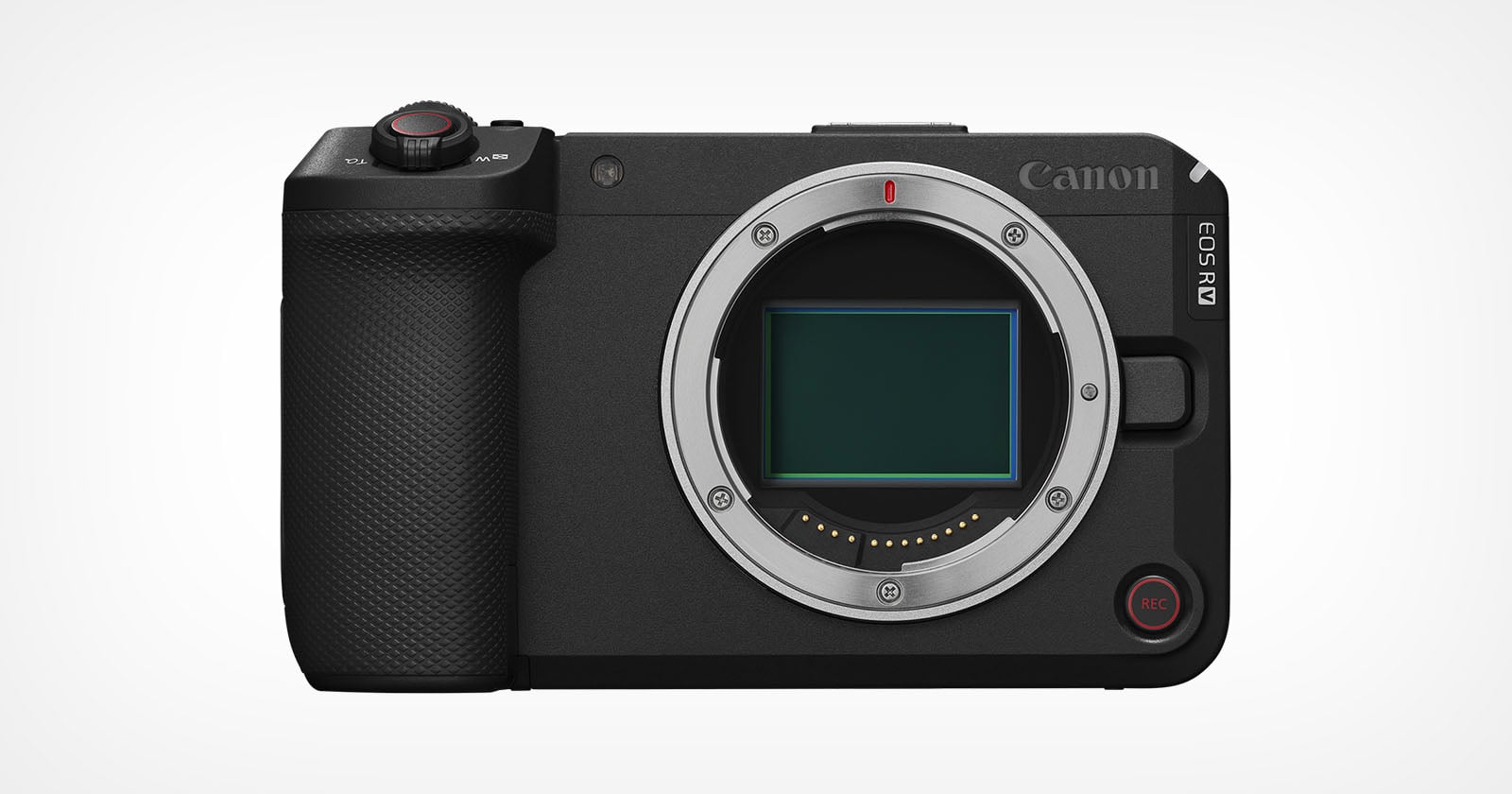
The unveiling of the Canon EOS R6 V marks a significant moment in the evolution of the mirrorless camera landscape, particularly as it comes on the heels of the R6 III. Canon has opted to remove the electronic viewfinder (EVF) from this model while introducing an internal fan. This decision is intriguing and invites a deeper examination of its implications for both content creators and enthusiastic photographers. As we explore this development, it’s essential to consider how it aligns with Canon’s broader strategy amid increasing competition, especially from brands like Sony, which has recently introduced models like the Sony a7R VI and the Evolved 100-400mm f/4.5 GM OSS.
The removal of the EVF may initially seem counterintuitive, especially given the prevalence of this feature in modern cameras. However, Canon's choice to integrate an internal fan suggests a pivot towards enhanced thermal management, potentially allowing for better performance during extended shooting sessions. This could prove invaluable for videographers and photographers working in challenging environments, where overheating can drastically affect performance. It also indicates a shift in focus towards video capabilities, making the R6 V a more versatile tool for creators who are increasingly blending photography with videography.
Moreover, the introduction of this camera coincides with Canon's launch of its first L-Series Power Zoom lens, the RF 20-50mm f/4L IS USM PZ. This lens is designed for a broad range of applications, further solidifying the R6 V as a compelling option for creators. The combination of the camera and this lens could create a unique ecosystem designed to cater to the diverse needs of modern content creators, allowing them to navigate both still and motion capture seamlessly.
From a broader perspective, the Canon EOS R6 V’s design choices reflect the ongoing evolution in the camera industry, where adaptability and functionality are paramount. As the lines between photography and videography continue to blur, brands are challenged to innovate and anticipate the needs of their users. The decision to remove the EVF may also signal a growing acceptance of alternative shooting methods, such as using external monitors or digital displays, thus accommodating a more fluid creative process.
Looking ahead, the question remains: how will the market respond to these changes? As creators seek gear that enhances their storytelling capabilities, the R6 V's ability to deliver on both performance and versatility will be critical. Additionally, Canon's competitors will undoubtedly be watching closely to see how these strategic shifts play out, potentially influencing their own product development strategies. The landscape of camera technology is rapidly evolving, and the Canon EOS R6 V is poised to be a pivotal player in this exciting new era.
After a pair of teasers, Canon has finally unveiled its latest camera, the Canon EOS R6 V.
Read on the original site
Open the publisher's page for the full experience