The Classic 85mm Lens that Still Wows Me
Our take
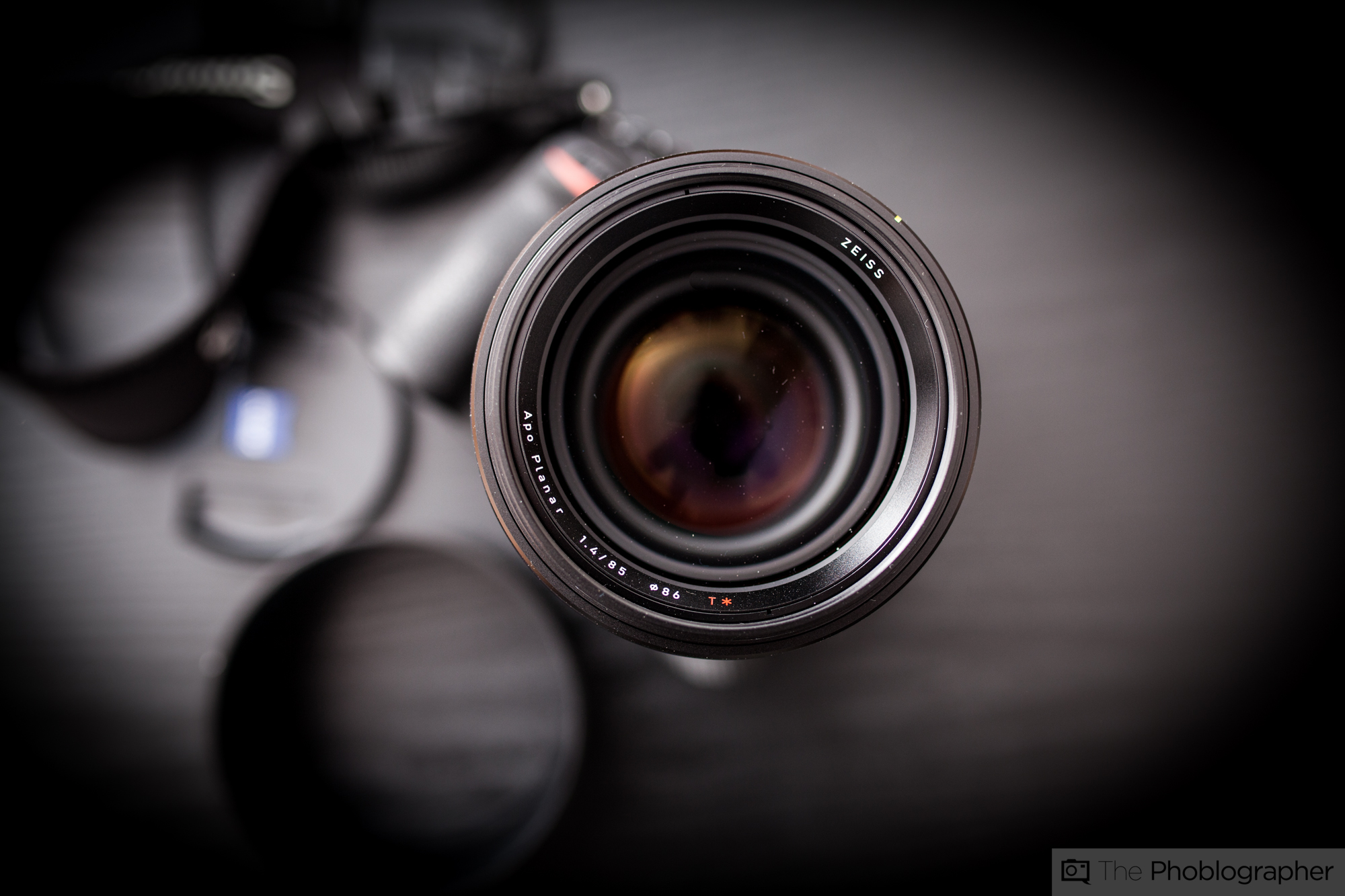
## Our Take: The Enduring Allure of Imperfection – Why the Original Zeiss Otus 85mm Still Resonates
The recent review of the Zeiss Otus 85mm f/1.4 ML, contrasting it with its 2014 predecessor, has sparked a fascinating conversation about the evolution of photographic tools and the elusive nature of improvement. The reviewer’s sentiment – that the newer iteration felt “stale” and lacking the spark of the original – resonates with a growing appreciation for the character and quirks inherent in older technologies. It’s a counter-narrative to the relentless pursuit of perfection that often defines the modern camera lens market. This isn’t simply about one lens; it’s about a broader shift in how photographers value their equipment, moving beyond purely technical specifications to embrace the unique qualities that contribute to a particular aesthetic. We've seen similar discussions arise recently concerning film photography’s resurgence The Unexpected Return of Film and the continued demand for vintage lenses, demonstrating a desire for something beyond the clinical precision of modern optics. The preference for the original Otus, despite its acknowledged bulk and usability challenges, underscores a yearning for tangible connection and a distinct visual signature – something increasingly rare in an era of increasingly homogenized image quality.
The significance of this perspective extends beyond mere nostalgia. The Zeiss Otus 85mm f/1.4, even in its original form, represented a pinnacle of optical engineering. Its rendering of skin tones, its falloff, and the unique character of its bokeh were instantly recognizable and highly sought after. The ML update, while technically refined, appears to have sacrificed some of that distinctive personality in the name of broader compatibility and perhaps a more universally appealing aesthetic. This raises a crucial question: is the pursuit of technical perfection always beneficial to the art of photography? The reviewer's experience with the original lens, regularly revisited as a reference point, highlights the importance of the intangible qualities that contribute to a photographer's creative process. This echoes arguments often made regarding the tactile experience of shooting film versus digital—a sense of deliberate action and mindful composition The Tactile Joy of Film that can be lost in the immediacy of digital capture. The preference for the original Otus isn’t about dismissing technological advancement; it’s about recognizing that some qualities—the subtle imperfections, the unique characteristics—are integral to a photographer's artistic expression and shouldn't be sacrificed on the altar of technical superiority.
The lens market, for years, has been driven by the relentless pursuit of sharpness, minimal distortion, and flawless corner-to-corner performance. While these advancements are undeniably valuable, they have also contributed to a certain sameness in the images produced by modern lenses. The Zeiss Otus saga is a reminder that “perfect” can sometimes be sterile, and that the flaws and quirks of older lenses can actually enhance the creative process. It’s a testament to the idea that a lens isn’t just a tool for capturing an image; it's a collaborator in the creation of a visual narrative. The original Otus, with its demanding nature and distinctive output, forced photographers to be more deliberate, more thoughtful, and ultimately, more creative. The very limitations of the lens became a catalyst for artistic exploration, pushing photographers to overcome challenges and discover new ways to express their vision. This contrasts sharply with the ease and accessibility of modern lenses, which can sometimes lead to complacency and a reliance on automation.
Looking ahead, it's interesting to consider what this trend means for lens manufacturers. Will we see a renewed focus on developing lenses with distinct personalities, even if it means sacrificing some technical perfection? Or will the pursuit of universality continue to dominate the market? The enduring appeal of the original Zeiss Otus 85mm f/1.4 suggests that there’s a significant segment of photographers who value character and authenticity over clinical precision. Perhaps the future of lens design lies in a more nuanced approach—one that balances technological advancement with a recognition of the artistic value of imperfection. The Future of Optical Design – will manufacturers prioritize maximizing potential or embrace the unique beauty of inherent optical constraints?
Read on the original site
Open the publisher's page for the full experience