The Curious Little Fuji Camera Dominating Search
Our take
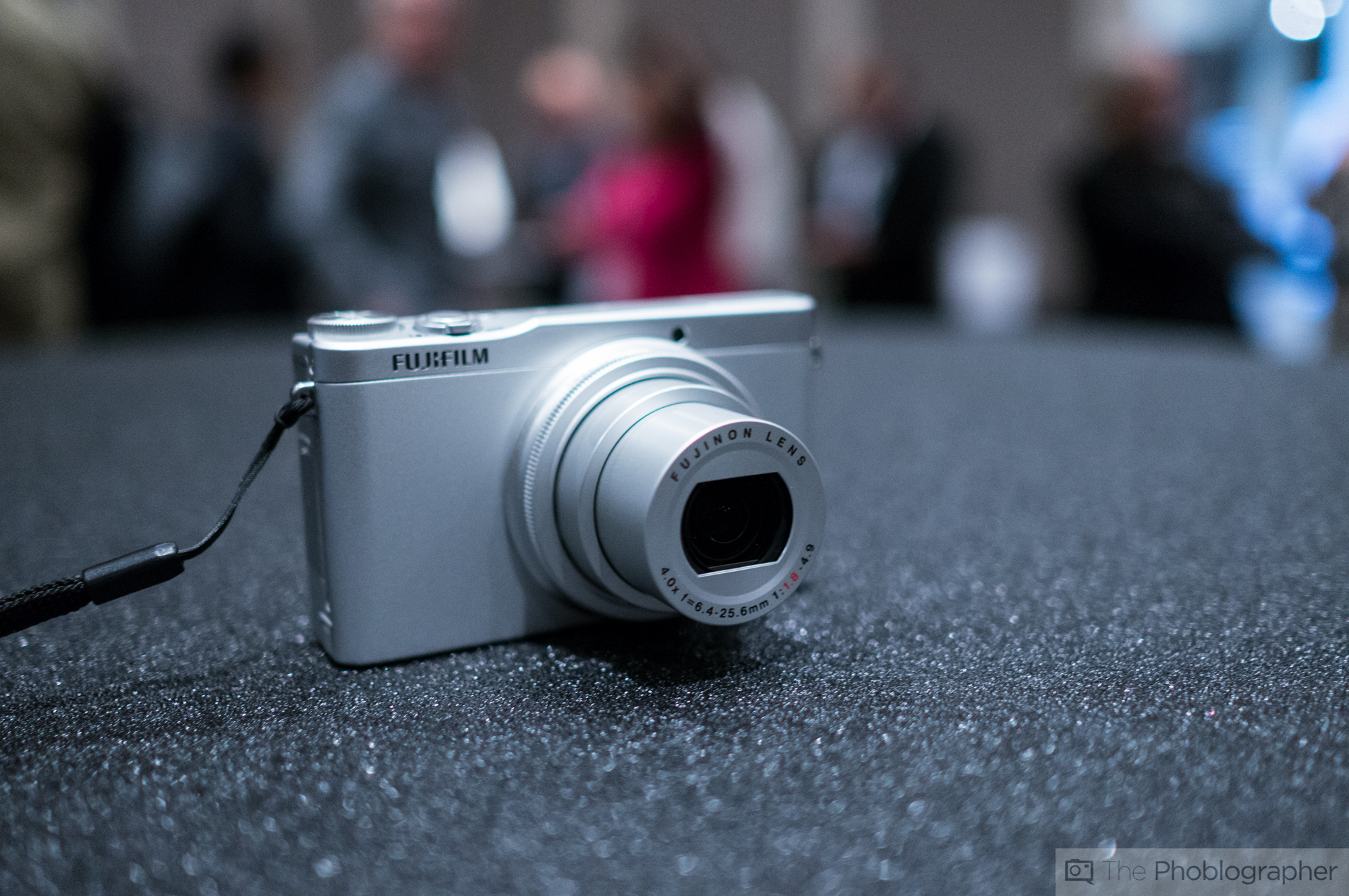
The resurgence of interest in older camera models, as highlighted by Google Trends, isn't a surprising phenomenon, but its current focus on Fujifilm cameras reveals a deeper shift in the photographic landscape. The enduring appeal of these legacy systems speaks to a growing desire for tangible, tactile experiences in a digital world often dominated by fleeting trends. It’s a reaction, in part, to the relentless march of technological progress and the feeling that newer doesn't always equate to better. We've seen this reflected in other areas of design and craftsmanship, and photography is proving no different. It also suggests a savvy, discerning community – one that appreciates the inherent aesthetic qualities and unique character of older lenses and bodies, qualities often lost in the pursuit of ever-increasing megapixel counts. Consider, for instance, the ongoing debate around sensor technology, as explored in Could Sony’s DGO Sensor Define Fujifilm’s Next Gen Cameras?, where Fujifilm’s commitment to film simulation and distinct image quality remains a core differentiator.
This renewed interest in Fujifilm specifically is particularly noteworthy. Fujifilm has cultivated a brand identity deeply rooted in artistry and heritage, successfully marrying vintage aesthetics with contemporary technology. Their commitment to film-like image rendering, coupled with the robust build quality of their cameras, resonates with photographers seeking a more deliberate and soulful approach to image-making. Furthermore, the rise in popularity of analog photography, and the accompanying desire for accessible, quality equipment, likely plays a significant role. It’s not about abandoning digital entirely; rather, it’s about integrating classic tools into a modern workflow. The practical considerations of protecting your investment in gear, as underscored in Photographers: Don't Do This Until It's Too Late, become even more relevant when dealing with potentially valuable vintage equipment. The desire for portability and flexibility, exemplified by innovations like Joby’s New $40 Tripod Clips to Your Bag or Belt, also speaks to a user who is adaptable and appreciates a blend of retro charm and modern utility.
The implications for Fujifilm are considerable. This trend validates their strategic decisions to maintain and support older film bodies, offering digital adaptations that retain the essence of their photographic legacy. It also provides a unique marketing opportunity; appealing to both seasoned professionals seeking a nostalgic touch and new enthusiasts drawn to the aesthetic appeal of analog-inspired digital photography. It’s a powerful combination: leveraging the allure of the past to secure a vibrant future. The search data isn't just about nostalgia; it's about a conscious rejection of the disposable culture prevalent in the tech world. It's a vote for craftsmanship, longevity, and the enduring appeal of a well-made object. This also speaks volumes about the community around Fujifilm; a dedicated and passionate group willing to invest in, and appreciate, the nuances of their equipment.
Ultimately, the curious dominance of Fujifilm’s older cameras in search trends isn't a fleeting fad. It's a reflection of a broader cultural shift towards authenticity, craftsmanship, and a deeper appreciation for the artistic process. It signals a maturing photographic community, one that values character and heritage as much as technical specifications. The question now is: how will Fujifilm continue to evolve its product line to cater to this discerning audience, balancing innovation with the preservation of its unique, artful identity? Will they double down on film simulation technology, further blurring the lines between digital and analog, or explore new avenues to integrate vintage aesthetics with cutting-edge capabilities? The answers, and the search trends they inspire, will be fascinating to watch.
Read on the original site
Open the publisher's page for the full experience