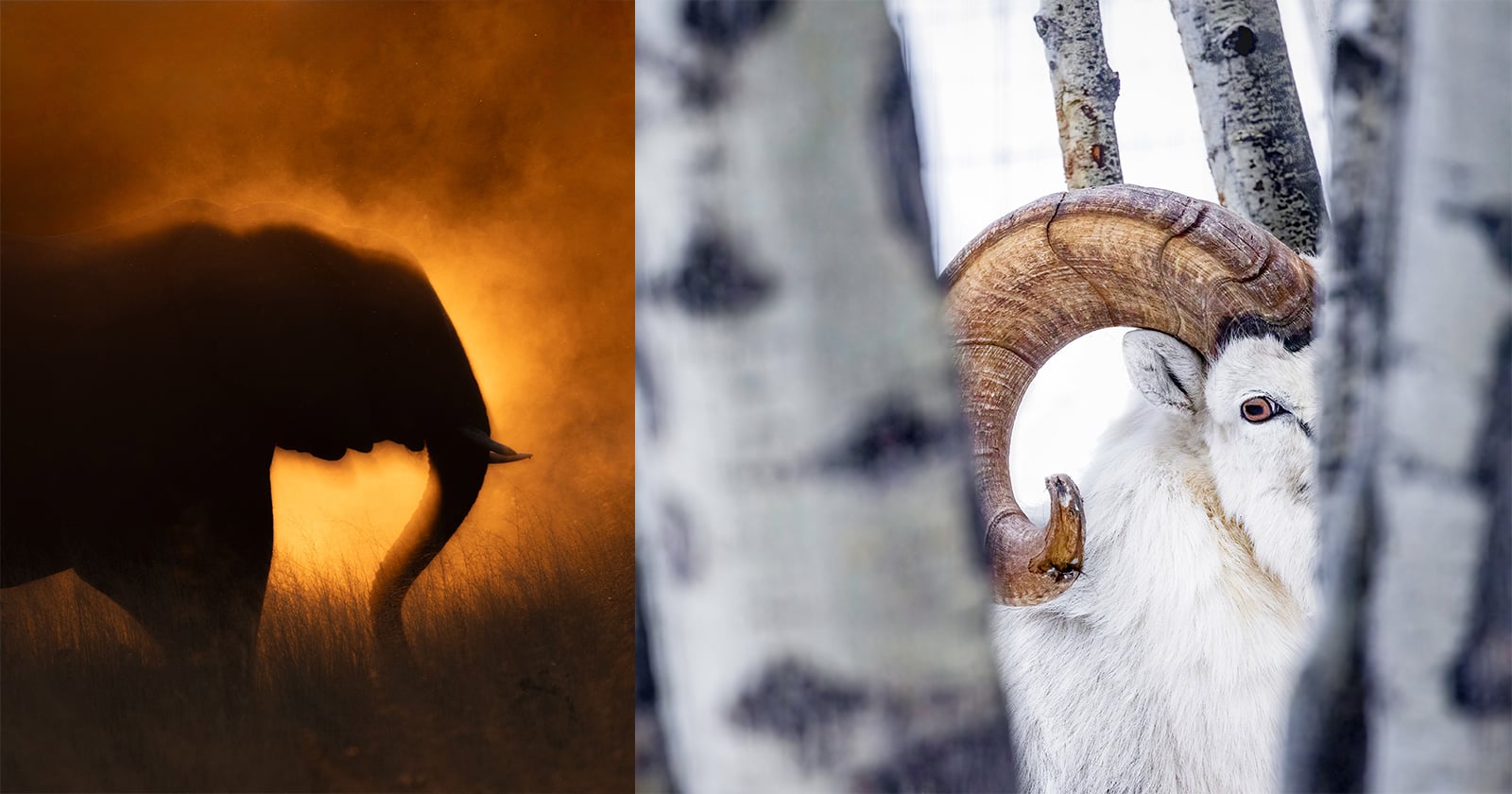
There is a quiet rebellion happening in plain sight, and it has nothing to do with what we capture. In an age where every scrap of life is documented, filtered, and shared within seconds, the article's meditation on the power of the unseen feels less like a technical observation and more like a cultural intervention. The idea that a photograph's emotional weight often comes from what it withholds is not just a tip for better composition; it is a challenge to our collective compulsion to over-explain. We are so busy curating the literal that we have forgotten how to invite the viewer in, to let them feel the frame rather than simply read it. This is the elegant power of restraint, and it is a muscle we all need to rebuild.
For those of us who live at the intersection of art and lifestyle, this philosophy is not just about the craft of the camera. It is a mirror held up to how we present ourselves, our work, and our spaces. The same principle that makes a silhouette of an elephant against a golden sunset more haunting than a high-res close-up applies to the way we style a room or choose the single, deliberate detail in a flat lay. It is the difference between telling someone you are creative and showing them a world that feels quietly, authentically curated. This resonates deeply with the recent buzz around tools that let us shape perception, like the Brightin Star's Tri-Sight Lens Lets You Shape the Light, Frame by Frame, which seems to be designed for exactly this kind of intentional ambiguity. Similarly, the legacy of a photographer like the one behind The Lens Behind Yellowstone's Oldest Wolf Falls Silent at 65 reminds us that patience and the discipline to wait for the right moment are what allow mystery to exist in the first place.
Our take is simple: we are losing the art of the pause. The most practical thing we can do for our own visual voice is to start editing out the noise, not just in post-production, but in the viewfinder itself. Ask yourself what you are *not* showing, and why. If the answer is "because I have to show everything," you have already lost the frame. The photographers who haunt us are not the ones with the most detail, but the ones who trust us to bring our own imagination to the table. The concrete challenge we leave you with is this: before you share your next image, remove one element that you think is essential. See if the story gets stronger. We suspect you will find, as the article suggests, that the most powerful frame is the one you leave empty. The question is not what you want to show, but what you dare to hold back.