The First-Ever Earthrise Photo Was Taken 60 Years Ago on a Film Camera by a Robot Spacecraft
Our take
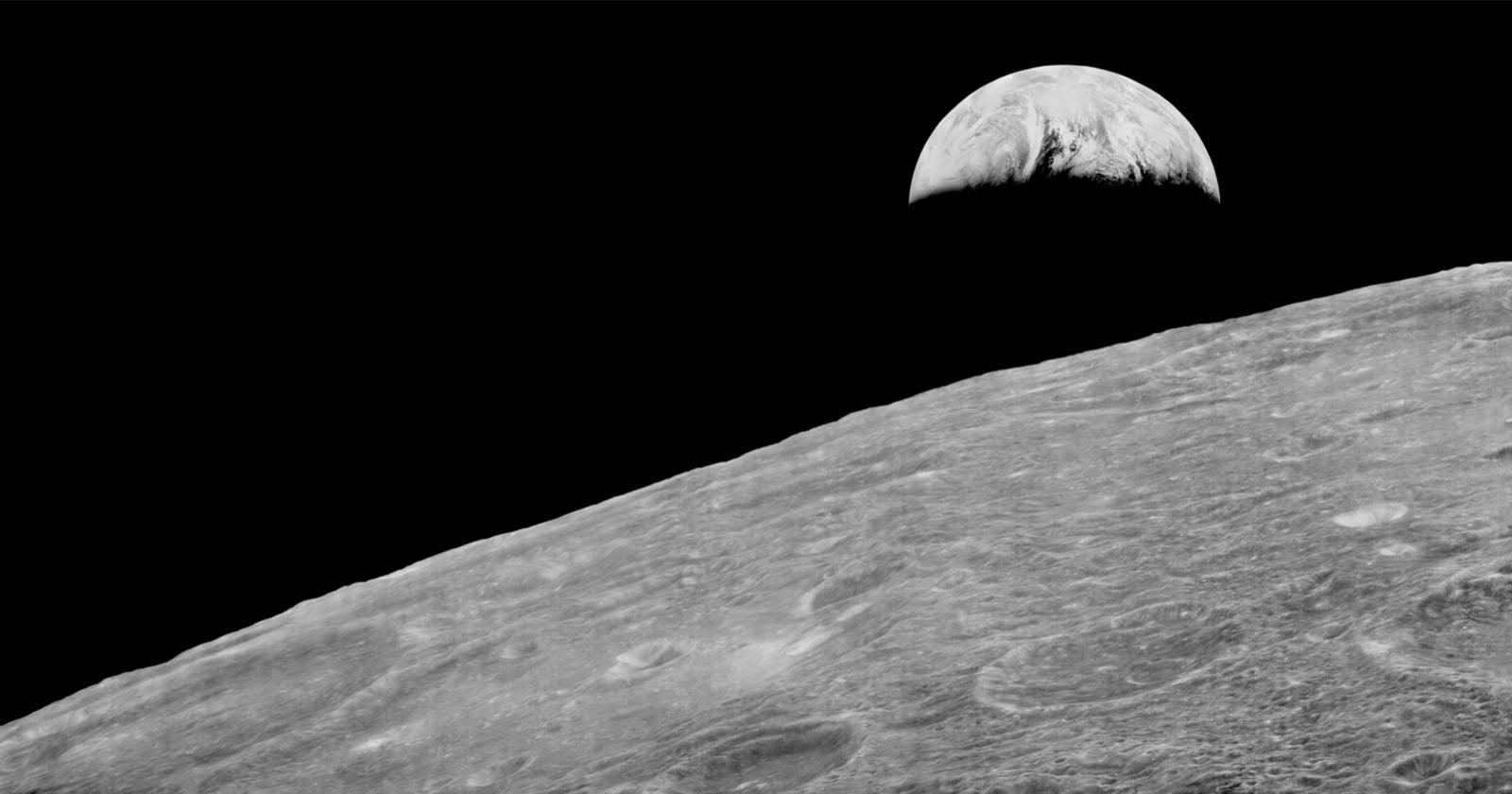
Sixty years. It’s a considerable span, particularly when considering the rapid evolution of technology. The recent anniversary of the first Earthrise photograph, captured by the Lunar Orbiter spacecraft in 1966, serves as a potent reminder of both our technological ingenuity and the enduring power of a singular image. The recreation of this iconic view by the Artemis II crew earlier this year further underscores the cyclical nature of exploration and the persistent human desire to witness our planet from a cosmic perspective. The sheer technical achievement of capturing that initial image—a black and white photograph transmitted from hundreds of thousands of miles away by a robotic probe using film—is almost unbelievable in today’s digital age. It’s a stark contrast to the immediacy of modern space photography, and it speaks to the remarkable resourcefulness of engineers working with the constraints of the time. It’s almost ironic, considering our current obsession with instant gratification, that such a momentous image required a deliberate, analog process, a process that echoes the arguments made in How Manual Focus Lenses Make Everyone Better Photographers, where relinquishing control to automation can lead to a loss of fundamental understanding.
The Earthrise photo isn’t just a beautiful image; it’s a pivotal moment in the history of environmental awareness. Before 1966, the Earth was largely perceived as a fixed point, an unchanging backdrop to human activity. Seeing our planet suspended in the black void of space, fragile and finite, offered a profound shift in perspective. It catalyzed the burgeoning environmental movement and contributed to the first Earth Day in 1970. The photograph’s impact transcended scientific circles, permeating popular culture and inspiring artists, writers, and musicians. The impact is still felt today, particularly in light of recent discussions about the role of AI in creative fields, as highlighted in Using AI Slop to Sell Cameras Will Never Make Sense to Me, where the authenticity and human connection to creation are paramount. The Lunar Orbiter’s Earthrise, produced by a machine, yet sparking a global conversation about humanity’s responsibility to its home, embodies this tension beautifully. It was a moment where technology served as a conduit for a deeper understanding of our place in the universe, a concept explored with a different kind of dedication in Magnum Photographer Spent Three Years Documenting All 42 of England’s Anglican Cathedrals, a testament to the profound impact of sustained observation and artistic vision.
The Artemis II recreation underscores the continued relevance of Earthrise. It's not merely a nostalgic echo but a deliberate act of re-contextualization. In an era of increasingly complex global challenges—climate change, resource depletion, and geopolitical instability—the image serves as a powerful visual reminder of our shared vulnerability and the interconnectedness of life on Earth. The renewed interest in lunar exploration, driven by both scientific and commercial ambitions, also highlights the potential for future discoveries and perspectives. The technology involved in capturing the original Earthrise was primitive by today's standards, but the message it conveyed remains timeless. We’ve moved beyond film and robotic probes, but the core sentiment—a sense of awe and responsibility towards our planet—has only intensified.
Looking ahead, it's intriguing to consider what new perspectives the next generation of space missions will offer. With increasingly sophisticated imaging technology and a growing focus on sustainability, will we capture images that further refine our understanding of Earth’s fragility and resilience? Or will we discover new celestial vistas that challenge our existing paradigms and inspire even greater introspection? The legacy of the Earthrise photo suggests that the most profound discoveries often lie not in the technical details, but in the human connection forged through a single, striking image—an image that prompts us to reconsider our place within the vast expanse of the cosmos.
60 years ago, a robotic spacecraft captured the first Earthrise photo -- a stunning view that the Artemis II crew recreated earlier this year.
Read on the original site
Open the publisher's page for the full experience