The Hasselblad 907X CFV 100C Got So Much Better
Our take
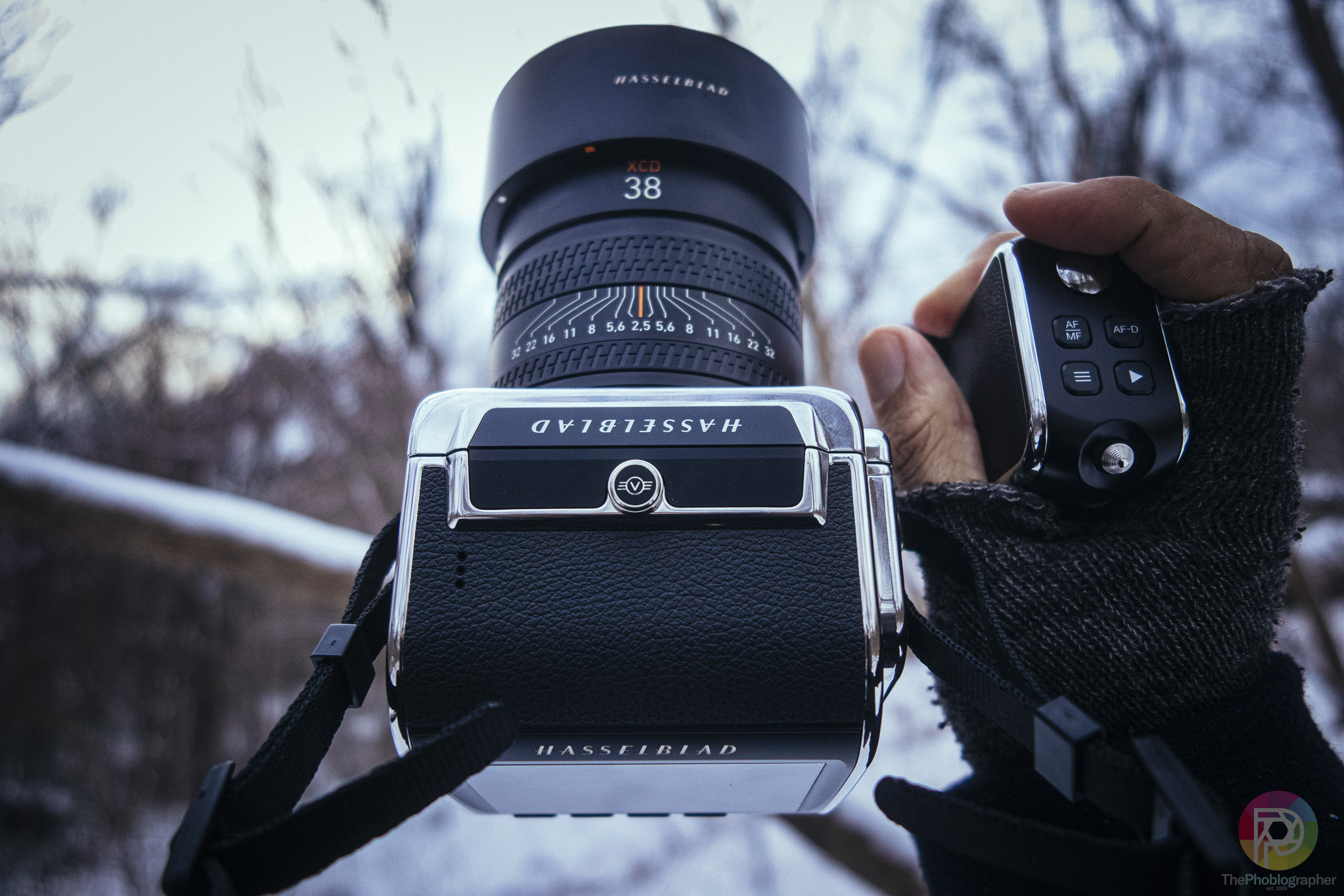
## Our Take: A Harmonious Convergence – Hasselblad, Capture One, and the Future of Medium Format Workflow
The resolution of the longstanding tension between Hasselblad and Capture One feels less like a simple reconciliation and more like a significant shift in the landscape of medium format photography. For years, Hasselblad users, particularly those invested in the coveted 907X system, have navigated a less-than-ideal workflow, often reliant on tethered shooting or cumbersome conversion processes to fully utilize the power of Capture One’s editing capabilities. The underlying complexity stemmed from the historical entanglement between Capture One (formerly Phase One Capture One) and Phase One, leaving Hasselblad somewhat isolated. Now, with that constraint lifted, the integration of native RAW support in Capture One for Hasselblad cameras—including the lauded 907X CFV 100C—represents a genuine leap forward, streamlining the creative process and unlocking the full potential of both hardware and software. This isn't merely about convenience; it's about empowering photographers to truly realize their artistic vision without technological friction. Consider the similar impact of Adobe’s increasing support for Fujifilm’s X-Trans sensor – a testament to the importance of native RAW integration. For those unfamiliar, a deeper dive into the nuances of RAW processing can be found here Understanding RAW Photography.
The widespread acknowledgement that Capture One generally offers superior editing capabilities compared to Adobe Lightroom is a critical factor in the significance of this development. While Lightroom remains a dominant force in the photography ecosystem, Capture One’s reputation for nuanced color handling, particularly with RAW files, and its advanced tethering features have made it a favorite among professionals. Hasselblad’s medium format cameras are instruments of choice for discerning photographers—those seeking ultimate image quality and unparalleled detail. Coupling this hardware with Capture One’s software creates a potent combination, pushing the boundaries of what's possible in terms of both image capture and post-processing. This synergy will undoubtedly appeal to professionals in fields like fashion, fine art, and commercial photography, where the ability to extract every ounce of detail and accurately reproduce colors is paramount. The implications extend beyond just the immediately apparent editing benefits; it hints at a stronger collaboration between Hasselblad and Capture One, potentially leading to further optimizations and features specifically tailored to Hasselblad cameras. Photographers seeking a detailed comparison of Capture One and Lightroom's performance in various workflows might find this article helpful Capture One vs Lightroom: Which Photo Editor is Best?.
The initial reports regarding the performance of Hasselblad RAW files within Capture One are encouraging. Users are noting improved color rendition, better shadow detail recovery, and a generally more refined editing experience compared to previous workarounds. This seamless integration eliminates the need for cumbersome conversion steps, saving valuable time and reducing the risk of introducing artifacts or inaccuracies. The ability to work natively within Capture One’s environment also allows for consistent processing across an entire project, ensuring a cohesive visual aesthetic. This ease of use is a crucial factor, particularly for photographers who rely on a streamlined workflow to meet demanding deadlines. The implications for Hasselblad’s market position are also noteworthy. By removing this technical barrier, they make their cameras more accessible and appealing to a wider range of photographers, solidifying their position as a leader in the medium format space. It’s also interesting to consider how this development might influence other camera manufacturers—will we see similar collaborations and integrations in the future?
Looking ahead, the most compelling question is what further integration we can expect between Hasselblad and Capture One. Will we see dedicated Hasselblad profiles within Capture One, optimized for specific camera models and lens combinations? Could we anticipate features that leverage Hasselblad's unique sensor technology to enhance Capture One's processing algorithms? The initial RAW support is just the first step, and the potential for a truly symbiotic relationship between these two industry leaders is vast. The evolution of tethered shooting capabilities and the incorporation of AI-powered tools specifically designed for Hasselblad’s medium format imagery could be transformative, further elevating the creative possibilities for photographers and pushing the boundaries of image quality. The industry will be watching closely to see what innovations emerge from this newfound collaboration—and how it reshapes the medium format workflow for years to come.
Read on the original site
Open the publisher's page for the full experience