The Keymera is the Cutest Key to a Photographer’s Heart
Our take
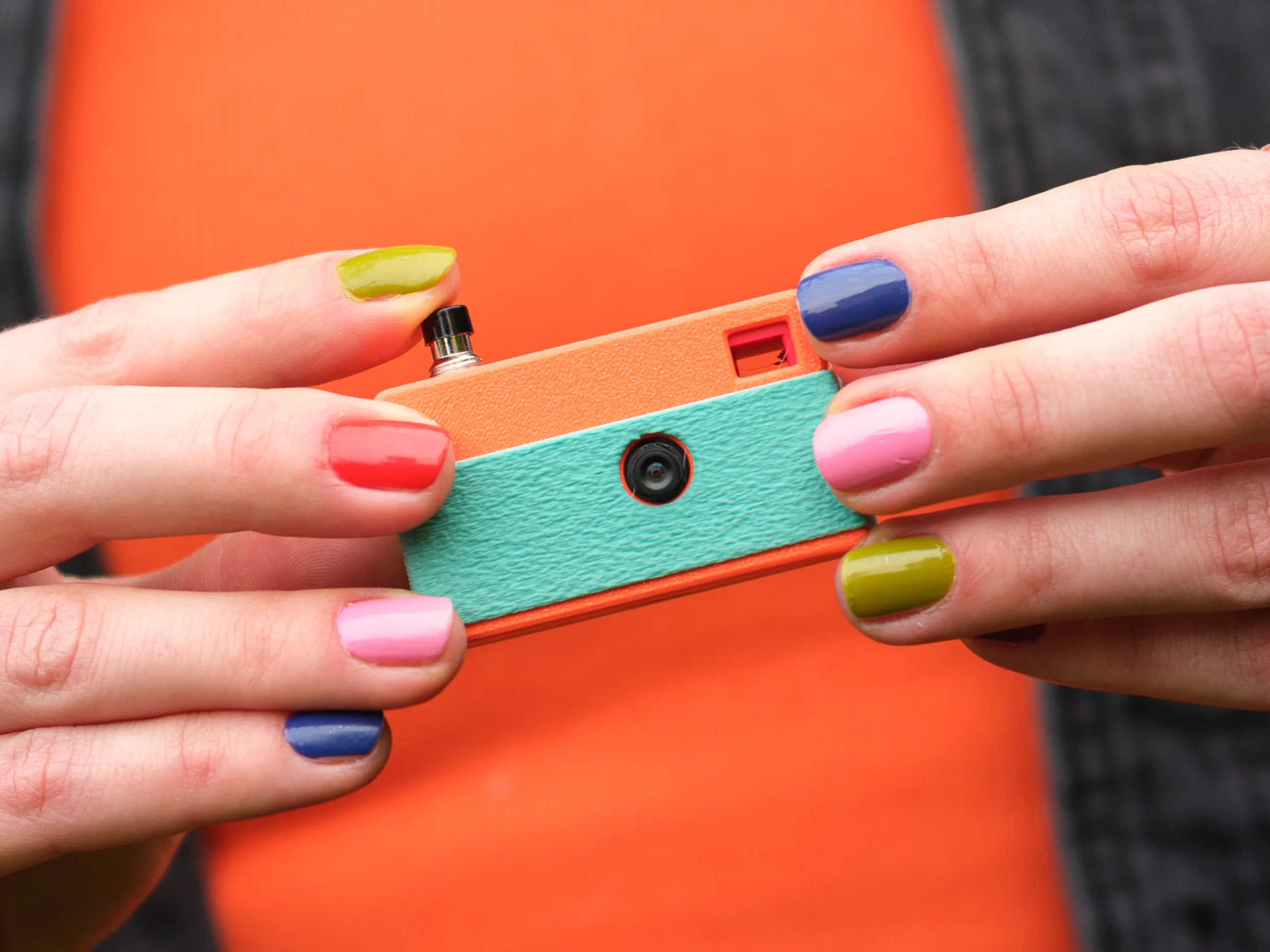
In the evolving landscape of photography, the recent emergence of the Keymera camera stands out as a delightful fusion of nostalgia and innovation. Little cameras, such as the Kodak Chamera and even the whimsical Tamagotchi, have captured our hearts not merely for their functionality but for the charm they exude. These devices are more than just tools; they are organic connections to a simpler, more playful era, devoid of the overwhelming enhancements that often accompany modern technology. The Keymera, with its emphasis on transparency regarding its features and design, is tapping into a growing desire among consumers for authenticity and simplicity in an age dominated by AI and high-resolution images.
As we reflect on the allure of the Keymera, it’s essential to consider how this trend aligns with broader movements within the creative community. The rise of such retro-inspired devices invites a broader conversation about the value of imperfection and the artistry in capturing moments that feel genuine. This resonates deeply with the ethos reflected in our recent article, Fujifilm’s Old XF 35mm f/1.4 Is a Best-Selling Prime Lens By a Huge Margin, which highlights photographers’ continued preference for equipment that embraces character over flawless precision. Similarly, the ongoing discussions around pricing for limited edition fine art photography prints, as seen in Seeking feedback on pricing limited edition fine art photography prints, reveal a marketplace where authenticity and artistic value are highly sought after.
The Keymera’s charm lies in its ability to evoke emotions and memories, prompting users to engage with their environments differently. While the image quality may not satisfy the technical purists, the camera offers a playful approach to photography that prioritizes the experience over the end result. This paradigm shift encourages both amateur and professional photographers to explore their creativity without the pressure of achieving perfection. The idea that a "crappy" image can still hold immense value is particularly liberating in a culture that often prioritizes polished aesthetics over authentic storytelling.
Looking ahead, it will be fascinating to observe how the Keymera and similar products influence the future of photography. As consumers increasingly seek out products that resonate with their personal stories and values, will we see a resurgence of other retro-inspired devices? The dialogue surrounding the definition of quality in photography will undoubtedly evolve, challenging conventional norms and paving the way for a new, vibrant aesthetic that celebrates individuality and creativity. As this trend continues to develop, one must consider: what role will the spirit of playfulness and authenticity play in shaping the future of creative expression? The conversation is just beginning, and the implications for photographers and consumers alike are profound.
Read on the original site
Open the publisher's page for the full experience