The Lifespan of Cameras is About to Get Longer
Our take
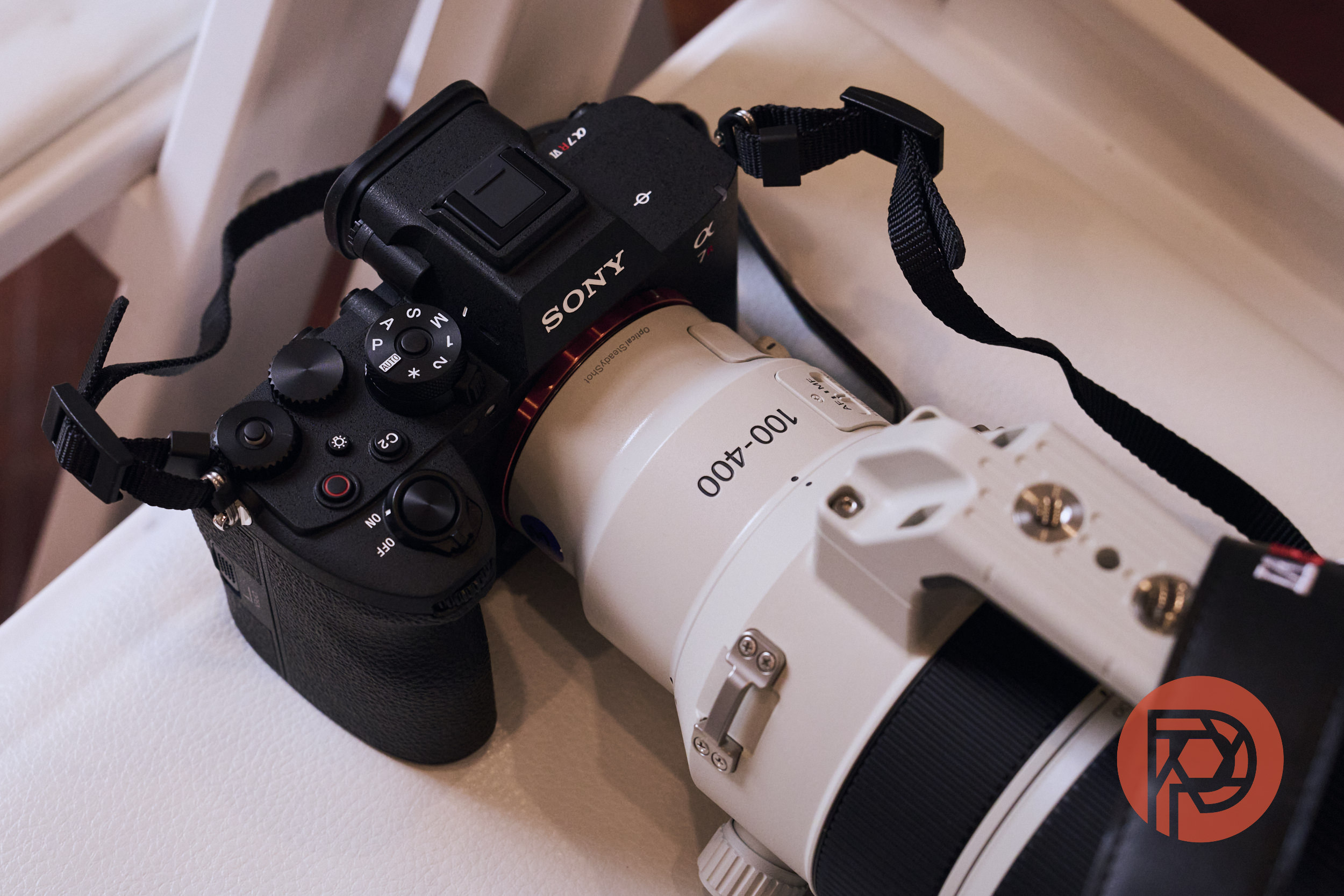
## Our Take: The Return of Endurance – Why Longer Camera Lifespans Matter
The recent shift towards extended support and slower refresh cycles in the camera industry, as highlighted by the article "The Lifespan of Cameras is About to Get Longer," signals a welcome return to a more sustainable and photographer-centric approach. For those who entered the market during the rapid innovation era spearheaded by companies like Sony, it might seem counterintuitive. The relentless churn of new models, each boasting incremental improvements, became the norm, often pushing photographers to upgrade prematurely. However, the article rightly points to a historical precedent where cameras enjoyed significantly longer lifespans, often supported for a decade or more. This wasn't simply a matter of slower technological progress; it was a period where manufacturers prioritized reliability, durability, and ongoing support for their existing products, fostering a deeper connection with their user base. Understanding this historical context is crucial to appreciating the current recalibration. This shift also mirrors trends observed in other tech sectors, as evidenced by articles like The End of the Upgrade Cycle? and Why Are Tech Companies Slowing Down Innovation?.
The "villain" designation for Sony, while provocative, underscores a key point: their aggressive pursuit of market share through frequent model releases disrupted the established rhythm of the industry. While undeniably pushing boundaries and delivering impressive technology, it also created a culture of planned obsolescence. This constant pressure to upgrade not only placed a financial burden on photographers but also contributed to electronic waste and a sense of dissatisfaction with equipment that, in many cases, remained perfectly capable. The current trend towards longer lifecycles isn't about stagnation; it's about recognizing that meaningful innovation doesn't always necessitate a yearly overhaul. It's about refining existing technologies, providing robust firmware updates, and offering extended support, allowing photographers to truly master their tools and focus on their craft. The shift is also driven, in part, by economic realities. The cost of developing and marketing new camera bodies is substantial, and a more measured approach allows companies to allocate resources more effectively, potentially leading to improvements in other areas like lens development or software integration. Consider the discussion around modular camera systems, as explored in Modular Camera Systems: The Future of Photography?, which could further extend the lifespan of existing bodies.
The implications of this longer-lifecycle approach extend beyond individual photographers. A more sustainable camera ecosystem benefits the environment by reducing electronic waste, and it encourages manufacturers to prioritize quality and durability over fleeting technological trends. It fosters a community of users who are invested in their equipment and willing to support brands that prioritize longevity. This also allows for a greater emphasis on the 'art' of photography – the skill, vision, and creative process – rather than the constant pursuit of the latest gadget. The curated nature of this return to endurance aligns perfectly with a sophisticated audience who appreciates lasting value and authentic experiences. It's a move away from the fleeting allure of the new and towards a deeper appreciation for craftsmanship and reliability, elements that resonate deeply with those who seek to express themselves creatively.
Looking ahead, the question becomes: how will manufacturers balance the need for innovation with the desire for longer lifecycles? Will we see a resurgence of modular camera systems, allowing photographers to upgrade individual components without replacing the entire body? Will firmware updates become the primary driver of new features and capabilities, extending the usefulness of existing cameras for years to come? The camera industry is at a pivotal moment, and the choices made in the coming years will shape the landscape of photography for decades. It's a space to watch closely, as the industry navigates the intersection of technological advancement, sustainability, and the evolving needs of the creative community.
Read on the original site
Open the publisher's page for the full experience