The Most Detailed Photos Ever of the Sun’s Surface
Our take
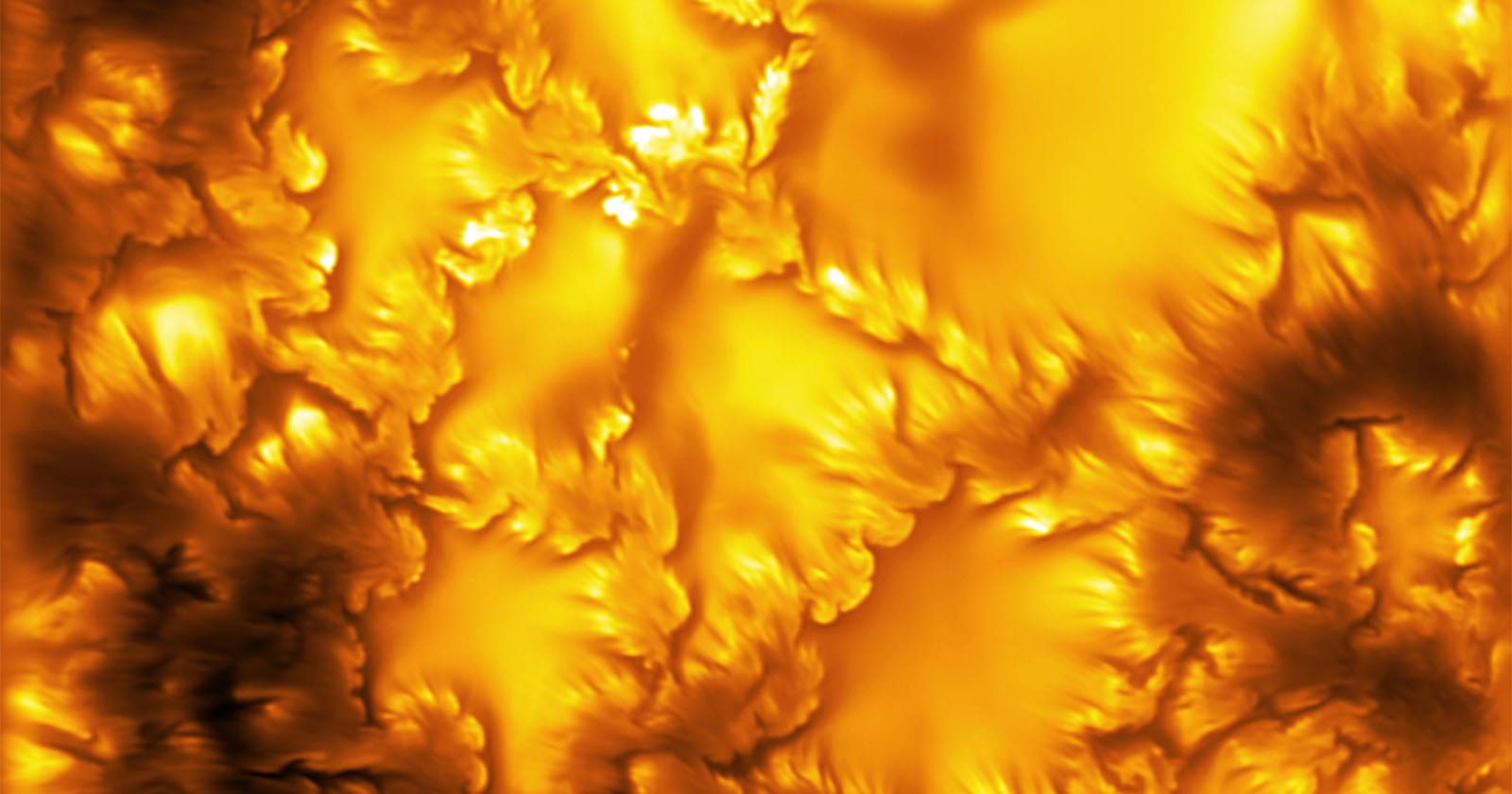
The unveiling of the most detailed photographs ever captured of the Sun’s surface represents a significant leap forward in our understanding of this colossal celestial body, and one that resonates deeply with our audience’s appreciation for both scientific discovery and striking visual artistry. These aren’t merely pictures; they are windows into the dynamic, often turbulent, processes shaping our solar system. The sheer resolution allows scientists to observe previously unseen granular structures and magnetic fields with unprecedented clarity, hinting at a deeper comprehension of solar flares, coronal mass ejections, and their potential impact on Earth. It’s a continuation of the tradition of breathtaking imagery from the cosmos – a tradition exemplified by astronaut Don Pettit’s stunning photographs that often defy belief Don Pettit’s Staggering Photo Confounds Skeptics, demonstrating the power of visual data to captivate and inform. The ability to discern such fine details echoes the remarkable clarity achieved in images captured from afar, like the evocative photograph of Earth taken from Mars This Grainy Photo of Earth Captured on Mars Is Way Cooler Than It Looks, reminding us of the interconnectedness of our solar system and the ingenuity required to capture such perspectives.
The significance of these new solar images extends beyond aesthetic appreciation; they offer crucial data for refining our predictive models of space weather. Solar activity doesn’t occur in a vacuum; it directly influences Earth’s magnetosphere, atmosphere, and even our technological infrastructure. Improved understanding of the Sun’s surface dynamics is essential for forecasting solar flares and coronal mass ejections, events that can disrupt satellite communications, power grids, and navigation systems. This is a field where artistry and function converge, demanding both a keen eye for detail and rigorous scientific analysis. We've seen similar dedication to detail in other planetary observations, such as the recent high-resolution images of Martian landscapes Amazing High-Res Photo Shows a Butte Rising From Mars, demonstrating how advancements in imaging technology are continually reshaping our perception of the universe. The new solar images promise a similar transformative effect on our understanding of our nearest star.
The technology enabling these breakthroughs is equally compelling. The Inouye Solar Telescope, responsible for capturing these images, utilizes advanced adaptive optics to correct for atmospheric distortions, allowing for an exceptionally clear view of the Sun. This is a testament to human ingenuity and the relentless pursuit of scientific advancement. The development and deployment of such sophisticated instruments require a collaborative effort, drawing on expertise from various fields, including optics, engineering, and astrophysics. Furthermore, the analysis of the data generated by these instruments demands equally sophisticated computational tools and analytical techniques. It's a complex interplay of hardware and software, pushing the boundaries of what's possible in astronomical observation.
Looking ahead, these detailed images will undoubtedly fuel new research avenues and inspire further exploration of our Sun. The ability to observe solar processes with such clarity opens up a wealth of possibilities for studying the Sun’s magnetic field, its internal structure, and its interaction with the surrounding space environment. Will these advancements ultimately lead to more accurate and reliable space weather forecasts, safeguarding our technological infrastructure and ensuring the safety of space missions? Or will they reveal even more complex and mysterious phenomena, challenging our current understanding of solar physics and prompting a re-evaluation of our models? The answers, like the Sun itself, remain brilliantly complex and endlessly fascinating.
Scientists have captured the most detailed photos of the Sun's surface yet, revealing mysterious solar processes with incredible resolution.
Read on the original site
Open the publisher's page for the full experience