The Most Influential Camera Brand of Every Decade | The PetaPixel Podcast
Our take
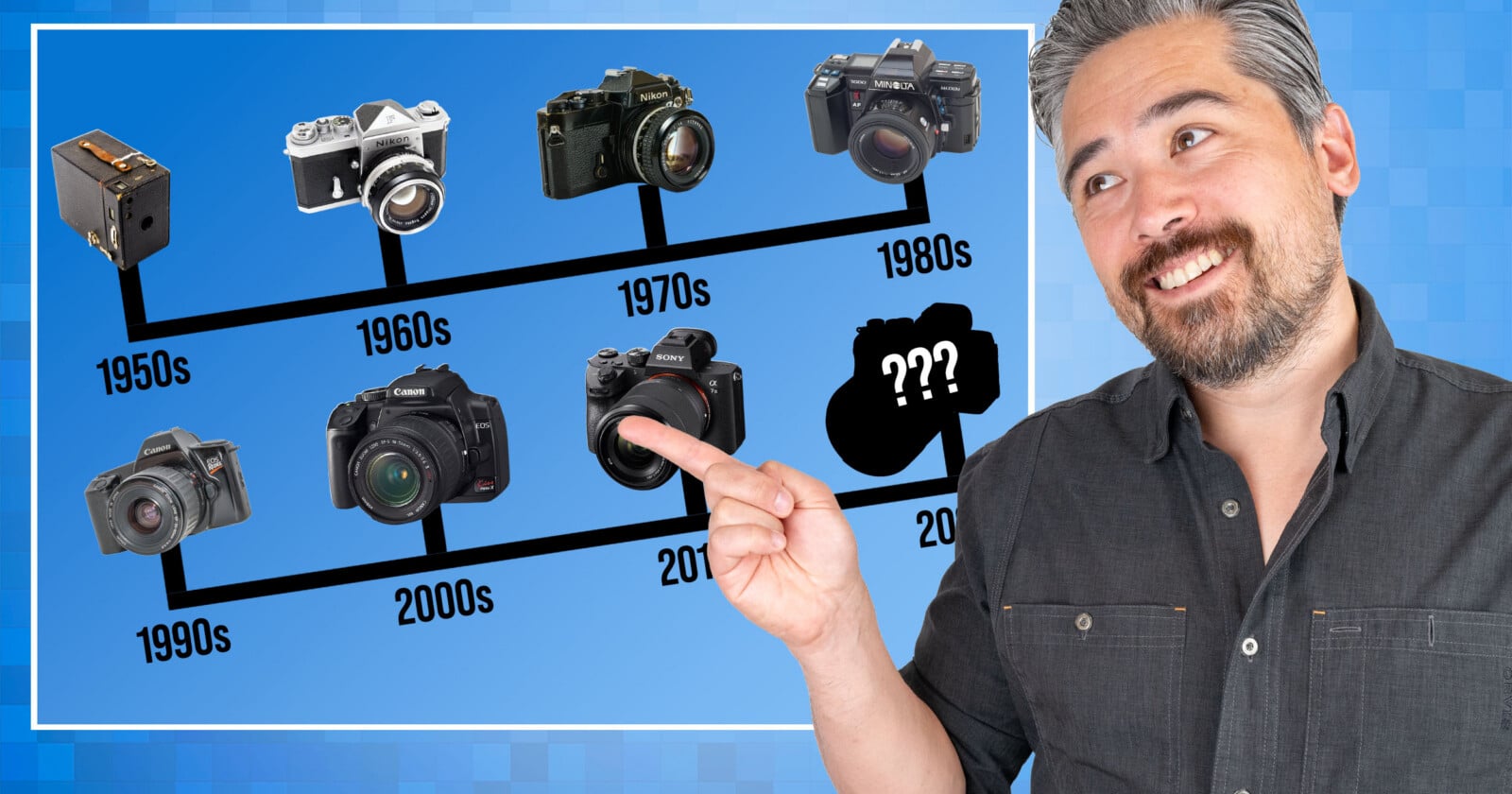
## A Century of Innovation: Why Examining Camera Brand Influence Matters
The PetaPixel Podcast's recent exploration of the most influential camera brand of each decade, from the mid-1900s onward, is a fascinating exercise in historical perspective. It’s easy to focus on sales figures and market share, but influence – the ability to shape the trajectory of an industry – is a far more nuanced and arguably more important metric. This isn’t simply a nostalgic look back; it’s a critical examination of how technological advancements, design philosophies, and even marketing strategies have collectively molded the photographic landscape we inhabit today. Understanding these shifts provides vital context for appreciating the current state of the industry and anticipating future developments. For example, a deep dive into the evolution of autofocus systems reveals a surprisingly complex interplay of engineering challenges and consumer demand, something we explored in The History of Autofocus. Considering the podcast’s premise, one can't help but ponder whether the current dominance of a few major players will continue, or if a disruptive force will emerge to redefine influence in the coming years.
The podcast’s focus on influence rather than sales is particularly insightful. While companies like Canon and Nikon have consistently held significant market share, their influence has often been driven by innovations adopted – and sometimes reluctantly – by competitors. Consider Kodak’s dominance in the early and mid-20th century; their introduction of consumer-friendly film formats like 126 and 110 fundamentally changed how people documented their lives, democratizing photography in a way previously unimaginable. Similarly, Polaroid's instant photography revolutionized the concept of immediacy, creating a unique aesthetic and cultural phenomenon. Examining these periods illuminates how a single company's vision can ripple outwards, impacting not only the technology itself but also the creative practices and social norms surrounding photography. The discussion of digital transitions is also critical. While Sony didn't dominate the film era, their early and aggressive push into digital cameras, particularly with the Alpha line, undeniably shaped the digital revolution and paved the way for the mirrorless systems that now dominate the market. This is a shift we’ve been analyzing closely, as seen in our piece Mirrorless vs DSLR: What’s the Difference?.
The exercise of pinpointing a single "most influential" brand for each decade inevitably sparks debate. The criteria for influence itself are open to interpretation – is it about technological breakthroughs, market disruption, aesthetic impact, or a combination of factors? The podcast’s exploration likely reveals a complex tapestry of contributions, with different companies leading the charge in different areas. This inherent subjectivity underscores the importance of understanding the historical context surrounding each era. For instance, the rise of Fujifilm in the 2010s, with their retro-inspired designs and unique film simulations, wasn’t just about selling cameras; it was about tapping into a renewed appreciation for analog aesthetics in a digital world. This demonstrates how influence can be exerted not only through technological innovation but also through strategic branding and a deep understanding of cultural trends. The discussion surrounding the current decade is particularly intriguing, with the rise of computational photography and smartphone cameras challenging traditional notions of photographic influence.
Looking ahead, the question of influence in the 2020s and beyond becomes even more complex. Will it be the established giants like Sony and Canon, continuing to push the boundaries of sensor technology and autofocus performance? Or will new players, perhaps those focused on AI-powered image processing or innovative camera form factors, emerge to disrupt the status quo? The increasing integration of photography into our daily lives through smartphones and social media platforms further complicates the picture. Is influence now defined by the ability to shape photographic trends and aesthetics across these ubiquitous platforms, rather than solely within the realm of dedicated camera hardware? Ultimately, the PetaPixel Podcast’s exploration serves as a valuable reminder that the history of photography is a story of constant innovation, adaptation, and the ongoing quest to capture and share our world in new and meaningful ways. What role will generative AI play in shaping photographic influence in the next decade, and will it be viewed as a tool for creative empowerment or a threat to artistic authenticity?
This week on The PetaPixel Podcast, the team goes through the decades starting in the mid 1900s and examines which camera company was the most influential during that time. That doesn't mean who sold the most, it means who drove the industry in a particular direction.
Read on the original site
Open the publisher's page for the full experience