The Nikon Z50 II May Become More Expensive
Our take
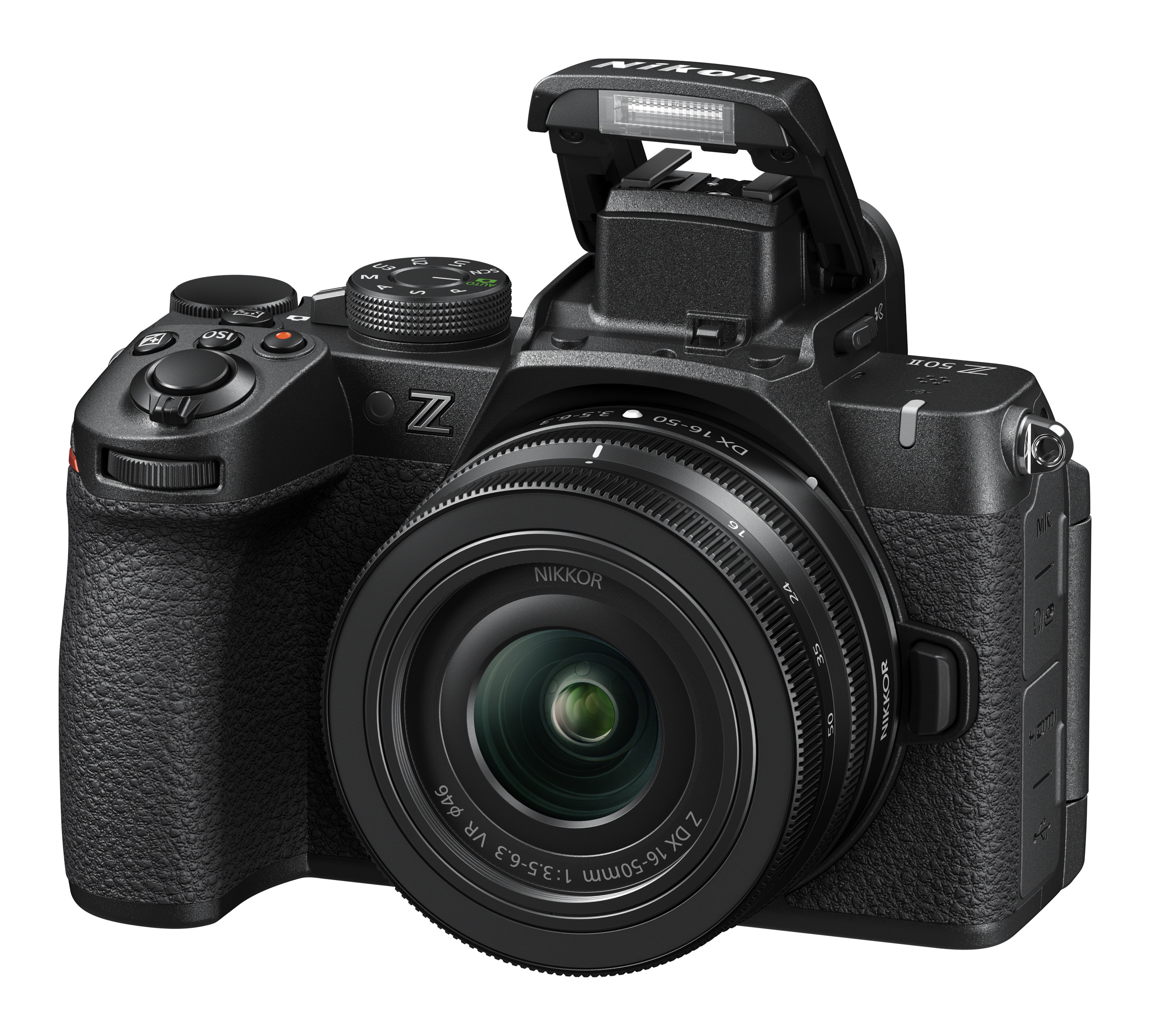
The recent announcement regarding potential price hikes for the Nikon Z50 II has stirred a complex discussion among photographers and enthusiasts alike. Following the turbulent period marked by tariffs that inflated the cost of new cameras and accessories, many in the American photography community hoped for a return to stability. While the tariffs have been lifted, the anticipated normalization of pricing remains elusive. Nikon's intention to raise prices on select camera and lens models raises questions about the broader implications for both consumers and the industry. As the situation unfolds, it is crucial for photographers to understand how these changes might affect their purchasing decisions and creative pursuits.
The impact of pricing on the photography market cannot be understated. When brands like Nikon signal a price increase, it often reverberates through the entire ecosystem, influencing not just individual purchases but also the perception of value in the marketplace. Consumers who have previously invested in high-quality equipment may feel the pinch of these new price points, leading to a potential reevaluation of their spending habits. This scenario mirrors the discussions surrounding affordability and innovation in our earlier piece, Viltrox Vintage Z1 Pro Review: An Affordable Pocket Flash with TTL and High-Speed Sync, where the importance of cost-effective solutions was highlighted. Just as the Viltrox flash provides an accessible option for photographers, the potential Nikon price increase could push consumers toward seeking alternative brands or models, underscoring the need for diverse options within the market.
Moreover, this situation serves as a reflection of broader economic trends affecting various industries beyond photography. As manufacturers navigate the complexities of production costs, supply chain challenges, and market demand, consumers are often left to absorb the repercussions. The photography community, known for its creative spirit and artistic sensibility, may find itself at a crossroads. How do we balance the desire for cutting-edge technology with the realities of budget constraints? This question becomes paramount, especially as we witness the resurgence of vintage equipment, as showcased in our article titled This Mamiya Camera Kit Fetched Over $5000. The nostalgia for classic cameras signifies a yearning for authenticity and craftsmanship, which may become even more pronounced as newer models become less accessible.
Ultimately, the anticipated price hikes from Nikon present an opportunity for reflection within the photography community. As creators, we must consider not only the tools we use but also the values we uphold in our craft. Will this challenge ignite a renewed appreciation for the art of photography, prompting a more thoughtful approach to gear selection? It’s essential for photographers to engage in discussions about what they truly value in their equipment—functionality, aesthetics, affordability, or perhaps a combination of all three.
As we move forward, it will be interesting to observe how these changes influence purchasing behavior and brand loyalty within the photography space. Will consumers opt for less expensive alternatives, or will they remain steadfast in their support for established names like Nikon, even in the face of rising costs? The answers to these questions will shape the future landscape of photography equipment and the creative endeavors that rely on it. As artists and enthusiasts, we must remain vigilant, ensuring our voices contribute to the evolving narrative of our beloved craft.
Read on the original site
Open the publisher's page for the full experience