The Photographer That’s Making You Look Twice at a Frame (NSFW)
Our take
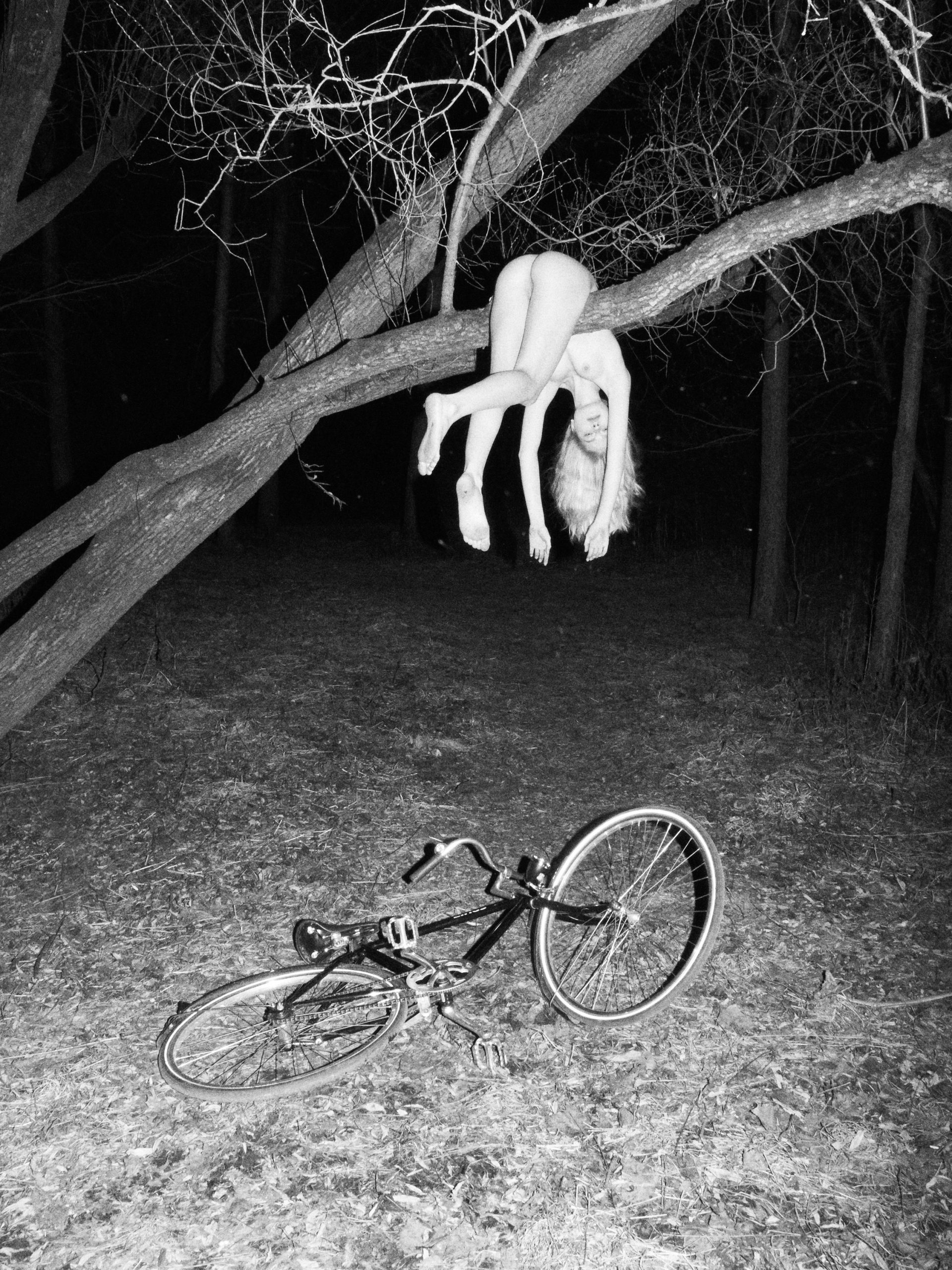
## Our Take: The Unsettling Power of Human Observation in an Age of AI Imagery
Igor Brekhov’s work, as highlighted in this recent piece, arrives at a particularly resonant moment. We are inundated with images generated by artificial intelligence, promises of effortless creation and hyper-realistic portrayals swirling around us. The ease with which AI can conjure visuals is undeniably seductive, but it also risks homogenizing artistic expression and, crucially, eroding the power of genuine human observation. Brekhov’s “NOCTURNE” project, with its deliberate "conflict in the frame," offers a vital counterpoint – a reminder of the unsettling beauty and profound depth that arises from a human eye attuned to the subtle dissonances of the world. Consider the current debate surrounding AI art in the fashion industry, where The Rise of AI in Fashion Photography is already reshaping creative workflows, or the wider implications explored in AI-Generated Art and Copyright – Brekhov's work underscores what’s potentially lost in this rapid technological shift. The uncanny feeling evoked by his images isn’t a glitch; it’s a deliberate artistic choice, a testament to the nuanced understanding of human psychology and the visual language that AI currently lacks.
The core of Brekhov’s artistry lies in this unsettling quality – the initial impression of peace or normalcy that swiftly unravels upon closer inspection. This isn't about creating overtly disturbing imagery; it's about triggering a cognitive dissonance, forcing the viewer to engage with the photograph on a deeper level and question their initial assumptions. This approach is a far cry from the often-sterile perfection of AI-generated images, which, despite their technical brilliance, lack the inherent imperfections and emotional resonance that characterize human-created art. The comparison to *The Blair Witch Project* and nightmares is apt; Brekhov taps into primal anxieties and the unsettling ambiguity that lies just beneath the surface of our perceived reality. He's not simply documenting a scene; he’s crafting an experience, a psychological exploration that lingers long after the image is viewed. He is, in essence, reminding us of the inherent anxieties of existence, anxieties that AI, in its quest for seamless perfection, actively seeks to erase.
The significance of Brekhov’s work extends beyond the realm of photography. It speaks to a broader cultural conversation about the value of human creativity in an increasingly automated world. As AI continues to permeate various aspects of our lives – from writing and music to visual arts – it becomes increasingly important to champion and celebrate art forms that prioritize human perspective, emotional depth, and critical engagement. This isn't about rejecting technology; it’s about recognizing that true artistic power arises not from flawless execution but from the ability to observe, interpret, and communicate the complexities of the human experience. There’s a distinct difference between a simulation of reality and a genuine reflection of it, and Brekhov’s photographs firmly reside in the latter category. The focus on “conflict in the frame" also highlights an important shift away from purely aesthetic appreciation towards a more intellectual engagement with art, prompting viewers to question the narratives presented and the underlying assumptions they hold.
Looking ahead, it’s worth considering whether this focus on unsettling ambiguity and psychological depth will become a defining characteristic of art created in response to the rise of AI. Will artists increasingly embrace imperfection and subjective interpretation as a way to differentiate their work from the increasingly polished and predictable output of algorithms? Or will the allure of AI's efficiency ultimately overshadow the value of human observation and artistic risk-taking? Perhaps the most compelling question isn't whether AI can *create* art but whether it can truly *understand* the human condition in all its messy, contradictory, and unsettling glory—a condition that Brekhov so powerfully captures in his hauntingly beautiful photographs. The Future of Creative Industries and AI will likely hinge on this very distinction.
Read on the original site
Open the publisher's page for the full experience