The Sony a6900 is Likely to Feature a Global Shutter
Our take
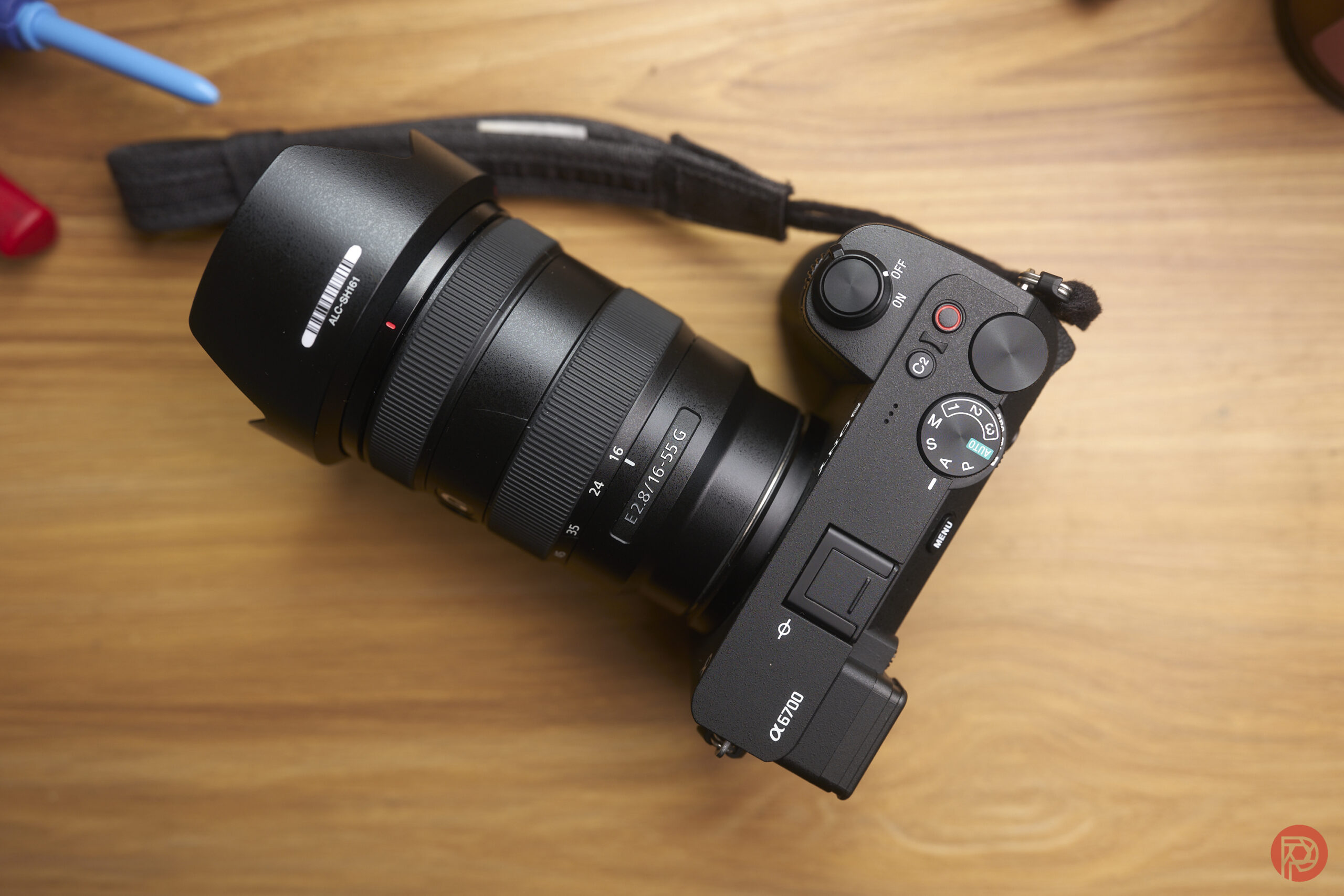
## Our Take: Sony's Potential a6900 Global Shutter – A Seismic Shift for APS-C?
The rumor mill surrounding Sony’s upcoming a6900 has been steadily churning, but the latest whispers—specifically, the possibility of a global shutter—have ignited a palpable excitement within the photography community. For years, APS-C cameras have felt like the neglected stepchildren of the camera world, often receiving incremental updates while Sony’s full-frame lineup consistently pushes the boundaries of technological innovation. The a9 III’s implementation of a global shutter was a watershed moment, demonstrating Sony’s commitment to advancing sensor technology. Now, the prospect of that same technology filtering down to the a6900 is more than just a welcome upgrade; it represents a potential paradigm shift for the APS-C market. This isn’t simply about faster readout speeds or eliminating rolling shutter artifacts; it's about leveling the playing field and finally giving APS-C shooters access to tools previously exclusive to full-frame users. For those seeking a deeper dive into the implications of global shutters, our previous analysis on The Impact of Global Shutters on Photography provides a comprehensive overview. The long-term effects on video production, particularly for action and drone cinematography, are also worth considering, as detailed in A Guide to Rolling vs. Global Shutter.
The significance of this potential upgrade cannot be overstated, particularly for photographers working in dynamic environments. Rolling shutter, the bane of many a photographer’s existence, causes distortion when capturing fast-moving subjects or panning quickly. It manifests as skewed verticals and warped perspectives, often ruining otherwise perfectly composed shots. A global shutter eliminates this issue entirely, capturing the entire frame simultaneously, resulting in a much more accurate and natural representation of motion. This is particularly crucial for sports photography, wildlife photography, and any scenario involving rapid movement. Beyond the technical advantages, a global shutter in the a6900 would send a powerful message: that Sony is committed to investing in and innovating within the APS-C segment. The prevailing narrative has been one of prioritizing full-frame development, leaving APS-C cameras feeling somewhat stagnant. This move could reinvigorate the market, attracting new users and encouraging existing APS-C shooters to upgrade rather than jump to full-frame. It challenges the assumption that smaller sensor formats are inherently less deserving of cutting-edge technology.
However, it's important to temper expectations with a dose of realism. While the rumors are compelling, they remain just that—rumors—until officially confirmed by Sony. The implementation of a global shutter is not without its challenges. It requires a fundamentally different sensor architecture and can impact factors like dynamic range and low-light performance. Achieving a balance between these competing priorities will be crucial. Furthermore, the cost implications of incorporating a global shutter into the a6900 will inevitably affect the camera’s price point. While many APS-C users are eager for upgrades, price sensitivity remains a significant factor. Sony will need to carefully consider how to position the a6900 to appeal to both budget-conscious photographers and those willing to pay a premium for advanced technology. The recent launch of the a7r V and its features also signal a continued investment in full-frame innovation, so the a6900’s positioning will be key.
Ultimately, the potential arrival of a global shutter in the Sony a6900 represents a potentially transformative moment for the APS-C camera landscape. It’s a sign that Sony is listening to the demands of its APS-C user base and is willing to invest in delivering cutting-edge technology to this important segment. But the question remains: will this be a one-off event, or the beginning of a renewed commitment to APS-C innovation? The industry will be watching closely to see if Sony’s a6900 truly heralds a new era for smaller sensor cameras, and whether other manufacturers will follow suit, sparking a broader revolution in APS-C technology. Will we see similar global shutter implementations in competing APS-C systems, or will Sony maintain a technological advantage?
Read on the original site
Open the publisher's page for the full experience