The Sony FX5’s Memory Requirements Are Wild
Our take
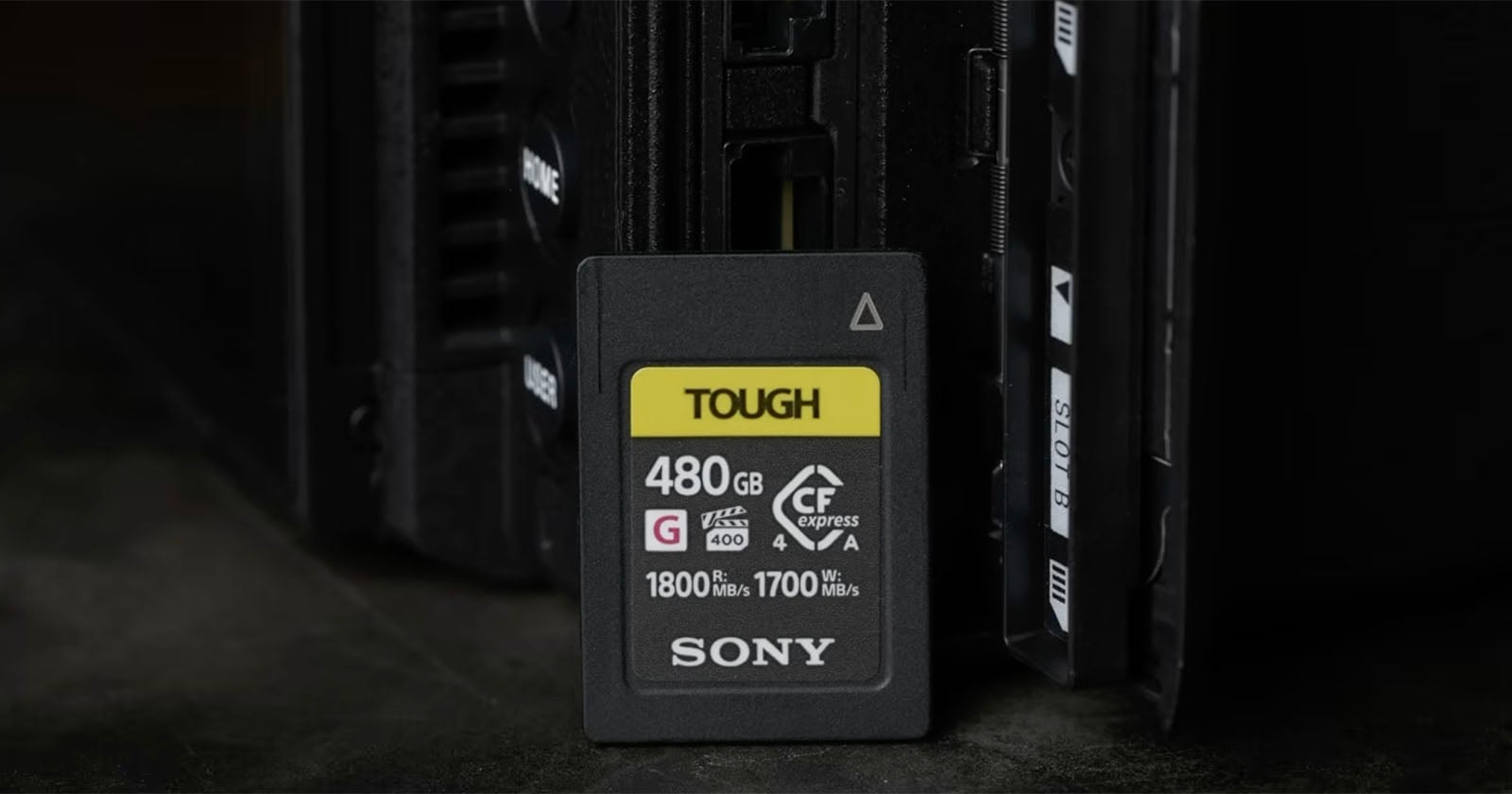
## Our Take: Sony FX5’s Memory Demands – A Reflection of Cinema’s Evolving Landscape
The announcement of the Sony FX5 has sent ripples of excitement through the filmmaking community, and rightfully so. It’s a compact powerhouse, promising professional-grade cinematic capabilities in a remarkably accessible form factor. However, the accompanying news regarding its exceptionally stringent memory card requirements – specifically demanding CFexpress Type A cards – has sparked considerable discussion. This isn’t merely a technical detail; it’s a significant indicator of the evolving demands placed on modern cinema cameras and, crucially, what that means for the workflow and budget of filmmakers, especially those transitioning from consumer-grade or earlier generation Sony Alpha series cameras. The requirement isn't entirely unprecedented – the FX6 also utilizes CFexpress Type A – but the FX5's more accessible price point raises questions about the accessibility of the overall system. For context, those looking to upgrade their Alpha series setup might find this a more significant barrier than those already invested in the cinema line. Understanding this shift requires acknowledging the increasing bandwidth needs of high-resolution, high-frame-rate video recording, a trend we’ve been observing closely and documented in articles like The Future of Memory Cards and Understanding CFexpress.
The core issue boils down to data. The FX5’s ability to record 4K 120p video, coupled with its internal 10-bit 4:2:2 recording capabilities, generates a prodigious amount of data per second. Standard SD cards simply cannot handle this throughput reliably, leading to potential dropped frames, corrupted files, and ultimately, unusable footage. Sony’s insistence on CFexpress Type A isn’t arbitrary; it’s a direct consequence of the camera’s performance specifications. While this ensures image quality and stability, it also significantly increases the initial investment required to operate the camera effectively. The cost of these high-speed cards is considerable, often exceeding $300 for a 128GB card, and even more for larger capacities. This elevates the overall cost of entry for the FX5, potentially limiting its appeal to those on tighter budgets or those accustomed to more flexible memory options. The conversation surrounding this also highlights the ongoing tension between offering cutting-edge features and maintaining affordability—a challenge faced by manufacturers across the entire camera landscape. This echoes a similar discussion around the FX6, where the high cost of the memory cards was a frequently cited concern, as detailed in FX6 Workflow Considerations.
Beyond the immediate financial impact, Sony's decision also reflects a broader trend toward a more professionalized filmmaking workflow. The reliance on CFexpress Type A cards encourages filmmakers to adopt more robust data management practices, including regular card formatting, backups, and potentially, the use of external recorders. While this can be perceived as an added complexity, it also promotes a more mindful and professional approach to video production. The days of casually shooting on a single SD card and hoping for the best are largely over for high-end video work. Furthermore, this stringent requirement pushes manufacturers of card readers and storage solutions to prioritize speed and reliability, ultimately benefiting the entire filmmaking ecosystem. It's a chain reaction: demanding hardware necessitates demanding supporting infrastructure, leading to improvements across the board.
Looking ahead, the memory card landscape will continue to evolve. We’ll likely see further innovations in storage technology, potentially including higher-capacity and more affordable options. However, the demand for high-speed cards capable of handling increasingly complex video formats will only intensify. The FX5’s memory requirements, while potentially a barrier for some, are a clear indicator of this trajectory. The question now is: how will manufacturers balance the desire for ever-increasing performance with the need to maintain accessibility for a wider range of filmmakers? Will we see more cameras offering tiered recording options, allowing users to choose between lower resolutions and frame rates for greater memory flexibility, or will the industry continue its march towards a future where CFexpress Type A (or its successors) become the de facto standard for serious video production?
Sony has announced the exciting new FX5 cinema camera, and it has a ton of interesting features and improvements. It also has among the strictest memory card requirements of any Sony FX or Alpha Series camera to date.
Read on the original site
Open the publisher's page for the full experience