The Trick to Making Light Look Good Without a Softbox
Our take
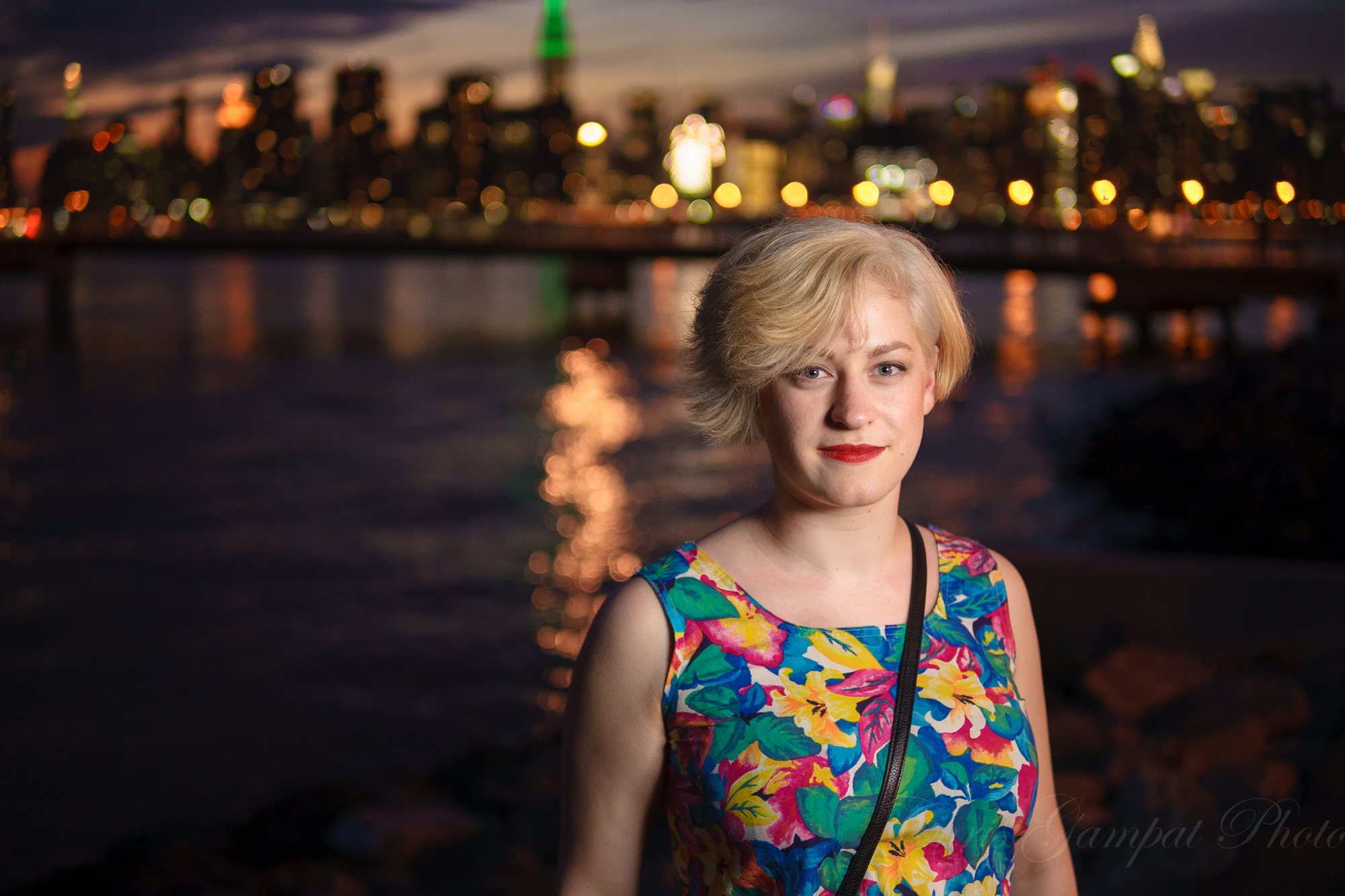
## Our Take: Beyond the Softbox – Embracing Direct Flash and the Art of Adaptation
The recent piece highlighting the shift away from traditional softboxes and umbrellas in favor of direct flash photography resonates deeply within the creative community. It’s a pragmatic acknowledgement of budgetary constraints, certainly, but also a testament to the evolving skillset of the modern photographer. For years, the prevailing wisdom has been that diffused light is *essential* for flattering portraits. While that’s often true, the article rightly points out that mastering direct flash – understanding its nuances and harnessing its raw power – can yield surprisingly compelling results. This isn’t about eschewing quality lighting entirely; it’s about expanding one's toolkit and developing a deeper understanding of light itself. Consider, for example, the meticulous planning and equipment considerations involved in capturing stunning astrophotography, detailed in [Capture the Night: ProMaster’s Summer 2026 Astrophotography Guide]. Both disciplines demand a keen eye for light, albeit in vastly different contexts, and the principles of understanding and controlling that light remain universal. Similarly, the pursuit of optimal sensor performance, as explored in [Which High-Resolution Full-Frame Camera Has the Best Sensor?], underscores the importance of technical mastery – a skill equally vital when working with direct flash to minimize harshness and maximize detail.
The beauty of this approach lies in its demand for resourcefulness. Without the softening influence of modifiers, photographers are forced to rely on their understanding of angles, distance, and ambient light. It encourages a more deliberate and thoughtful process, pushing beyond reliance on equipment to cultivate a true artistic vision. Direct flash, when wielded skillfully, can actually create a striking, almost graphic quality, lending a sense of immediacy and drama to a portrait. It’s a technique often employed in fashion photography to create bold, high-contrast images, and its adoption by portrait photographers signals a broader trend toward embracing unconventional approaches. This isn't a replacement for softboxes; it’s an expansion of possibilities, a reminder that creativity often blossoms when constraints are imposed. The photographer's ability to adapt and find beauty in unexpected places – much like the emotional intensity captured in [Una noche que Melissa jamas olvidara (Iglesia San Patricio, Salon Vows and Veils)] – ultimately defines their artistry.
However, the article’s final caveat – that direct flash “sometimes delivers awesome results but other times it really doesn't” – is crucial. It’s a recognition that this technique requires practice and a discerning eye. It's not a shortcut to beautiful photography; it’s a different path that demands careful consideration of factors like subject positioning, background, and the overall mood you’re trying to create. Overexposure, harsh shadows, and unflattering highlights can easily derail the process. The key lies in understanding how to mitigate these issues – using reflectors, strategically positioning the subject, and adjusting camera settings to compensate for the direct light. It’s about turning a potential liability into an opportunity for creative expression.
Looking ahead, we anticipate a continued blurring of lines between traditional and unconventional lighting techniques. As equipment becomes more accessible and photographers become more adept at harnessing the power of direct light, we'll likely see a rise in portraits that defy expectations and showcase a raw, unfiltered beauty. The question becomes: will this shift lead to a renewed appreciation for the inherent qualities of direct light, or will it ultimately be viewed as a temporary detour on the path to diffused perfection? Only time, and the evolving creativity of photographers, will tell.
Read on the original site
Open the publisher's page for the full experience