The US is Concerned Over ‘IP Theft’ by Chinese AI Labs
Our take
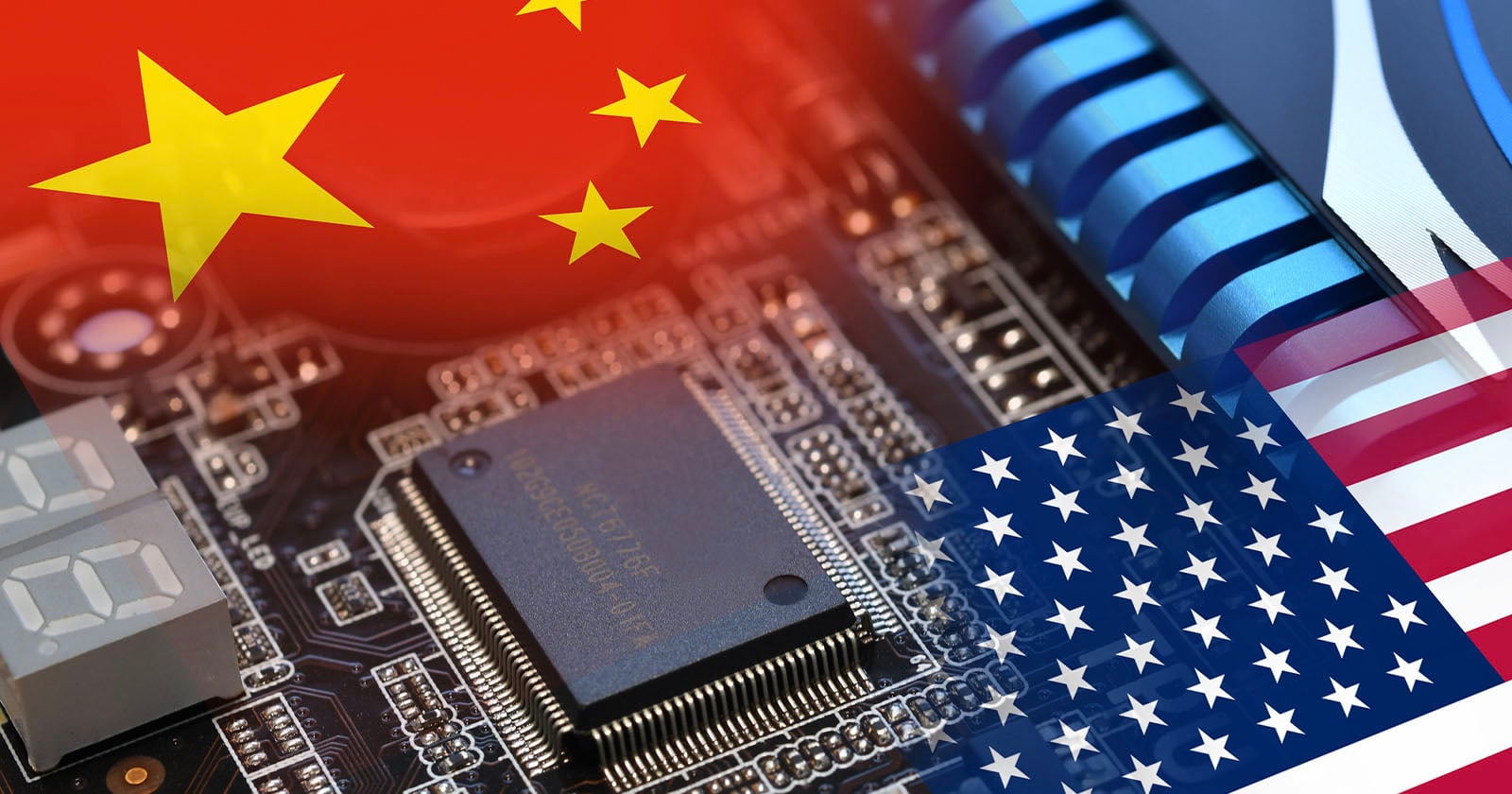
The escalating tensions surrounding artificial intelligence development between the United States and China have reached a new inflection point, with Treasury Secretary Scott Bessent’s threat of sanctions against Chinese AI firms accused of intellectual property theft. This isn't merely a trade dispute; it’s a strategic power play with implications that ripple throughout the technology landscape, particularly impacting creative fields like photography. The concern reflects a broader anxiety about the rapid advancement of AI in China and the potential for it to leapfrog American innovation through illicit means. Considering Apple’s recent move to record conversations between Genius Bar workers and customers [Conversations Between Apple Store Workers and Customers Can Now Be Recorded], highlighting the intense scrutiny and data collection happening across the tech sector, this latest development feels like another piece of a larger puzzle – one where proprietary information is increasingly valuable and vulnerable. The situation is further complicated by the ongoing debate surrounding AI's impact on artistic creation, as eloquently voiced by Robert Irwin, who argues that “[AI Takes Away From the Artistry of Photography’ Says Robert Irwin]” and raises fundamental questions about the value of human skill in an age of algorithmic generation.
The core issue lies in the asymmetry of access and resources. While the U.S. boasts leading AI research institutions and a robust ecosystem of startups, China’s state-backed initiatives offer unparalleled funding and streamlined development pathways. Accusations of IP theft represent a perceived shortcut, an attempt to circumvent the painstaking process of original innovation. Sanctions, while potentially slowing down China’s progress, also risk further fragmenting the global AI landscape and limiting collaboration. However, the U.S. government’s stance signals a clear determination to protect its technological advantage, especially as AI increasingly permeates every sector, from national security to healthcare. The potential consequences for American technology companies are significant; if left unchecked, this kind of intellectual property misappropriation could stifle innovation and create an uneven playing field, making it harder for U.S. firms to compete. The Phoblographer's renewed commitment to promoting photographers [Hey Photographers: Help Us Promote Your Work] underscores a larger trend – a desire to champion human creativity and artistry in a world rapidly being reshaped by AI, and to ensure that innovative talent has a platform to thrive.
Beyond the immediate legal and economic ramifications, this situation compels a deeper examination of ethical considerations within AI development. The speed at which AI models are being trained and deployed raises questions about data provenance, transparency, and accountability. If algorithms are built on stolen or improperly acquired data, the resulting systems perpetuate biases and undermine trust. Furthermore, the potential for AI to automate creative tasks – photography being a prime example – necessitates a broader conversation about the future of work and the value of human skills. The threat of sanctions serves as a stark reminder that the pursuit of technological advancement must be balanced with principles of fairness, integrity, and respect for intellectual property. A purely competitive, winner-takes-all approach risks sacrificing these values in the name of progress.
Looking ahead, the U.S.-China AI rivalry is likely to intensify, with both countries investing heavily in research and development. The effectiveness of sanctions remains to be seen, and alternative approaches, such as collaborative frameworks for AI governance and enhanced international agreements on IP protection, may be necessary to mitigate the risks and foster a more sustainable and equitable future for AI. The question remains: can a balance be struck between fostering innovation and safeguarding intellectual property in this rapidly evolving technological landscape, or are we destined for a protracted and potentially destabilizing AI arms race?
U.S. Treasury Secretary Scott Bessent threatened to impose sanctions on Chinese AI firms deemed to have stolen intellectual property from American technology companies.
Read on the original site
Open the publisher's page for the full experience