These Four Fujifilm Recipes are Made for People of Color
Our take
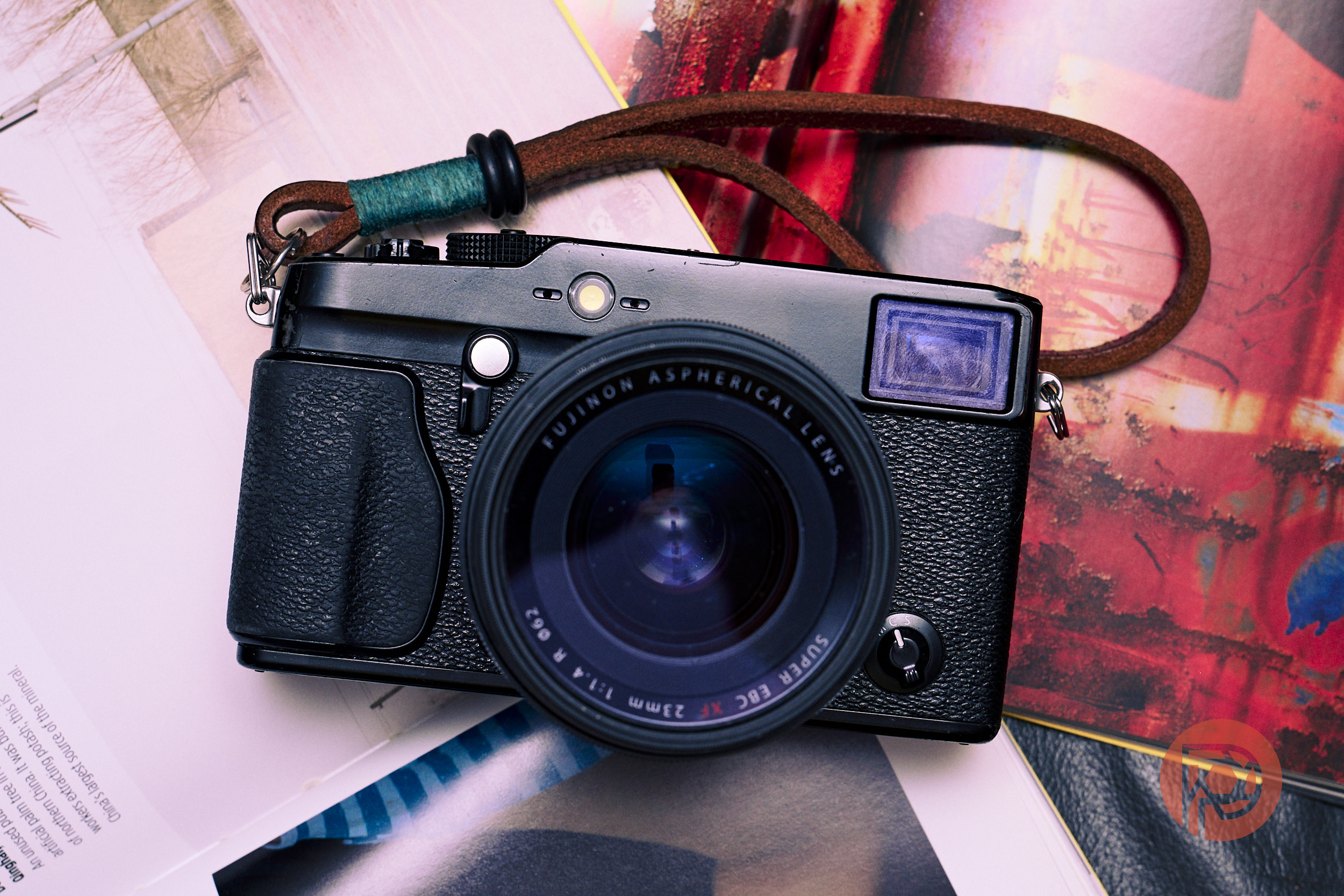
## Our Take: Fujifilm's Film Simulations and the Ongoing Conversation of Representation in Photography The recent spotlight on Fujifilm’s film simulations tailored for photographing people of color is a welcome, albeit long overdue, development. While Fujifilm has consistently offered a diverse palette of film simulations mimicking classic stocks, the explicit recognition and catering to the unique tonal challenges and aesthetic preferences when photographing darker skin tones is a significant step. It highlights a growing awareness within the photographic community—and increasingly, within camera manufacturers—that a “neutral” or “universal” rendering of skin tone often falls short, particularly when considering the nuances of melanin-rich complexions. For years, photographers have relied on painstaking post-processing techniques to achieve accurate and flattering skin tones with digital cameras and film. These adjustments, often involving careful color correction and shadow manipulation, can be time-consuming and, at times, feel like a workaround rather than a built-in solution. Fujifilm’s efforts suggest a move toward proactively addressing these issues at the source – within the camera’s processing engine. This isn’t just about aesthetics; it's about representation and ensuring that diverse subjects are portrayed authentically and respectfully. It’s a conversation that echoes broader discussions about inclusivity in technology, and a recognition that the tools we use shape how we see and understand the world. Relatedly, consider the complexities discussed in The Bias in AI Photography and how algorithms perpetuate existing biases. It's crucial to examine similar potential biases within camera technology as well. Further exploration of color science and its impact can be found in Understanding Color Spaces. The brilliance of Fujifilm’s approach lies not just in the existence of these simulations, but in their thoughtful development. Instead of simply aiming for a “realistic” reproduction, which can be problematic in itself (as “realistic” is often defined by a historically limited perspective), these simulations appear to prioritize a flattering and aesthetically pleasing rendition of skin tones, while still maintaining a sense of authenticity. This is a delicate balance, and one that requires a deep understanding of color theory and, crucially, feedback from photographers who actively work within this space. It’s important to acknowledge that achieving universal satisfaction is unlikely; individual preferences for skin tones vary widely. However, providing a starting point, a set of curated options specifically designed to address common challenges, demonstrates a commitment to inclusivity that many manufacturers have previously lacked. The ongoing evolution of digital photography has often centered on mimicking the look of analog film, and Fujifilm's continued success within that space—particularly with its X-series cameras—has cultivated a loyal following eager for nuanced and expressive image-making. These new simulations extend that philosophy to encompass a wider range of photographic subjects and aesthetic preferences. Beyond the immediate benefits for photographers working with people of color, this development has broader implications for the entire industry. It signals a shift away from the assumption that a single "correct" rendering of skin tone exists and encourages manufacturers to consider the diverse needs of their user base. It also opens up a conversation about the responsibility of technology providers to address potential biases embedded within their products. The very act of acknowledging the need for specialized simulations is a powerful statement, one that challenges the status quo and encourages further innovation in color science and image processing. This isn’t just about creating more options; it’s about fostering a more inclusive and representative photographic landscape. And it builds upon existing discussions about the importance of diverse representation in art and media, extending that commitment to the tools we use to capture the world around us. We've previously explored this topic in The Importance of Diverse Representation in Photography. Looking ahead, it will be fascinating to see how other camera manufacturers respond to Fujifilm’s initiative. Will we see similar offerings from Canon, Sony, and Nikon? Will these companies collaborate with diverse communities of photographers to develop their own tailored simulations? More importantly, will this spark a broader conversation within the photographic industry about the importance of inclusivity and representation in all aspects of image-making? The potential for further refinement and customization is immense, and the demand for tools that accurately and beautifully capture the diversity of human experience is only going to grow.
Read on the original site
Open the publisher's page for the full experience