This Hawaiian Shirt Tricks AI Surveillance Cameras Into Thinking You’re Not Human
Our take
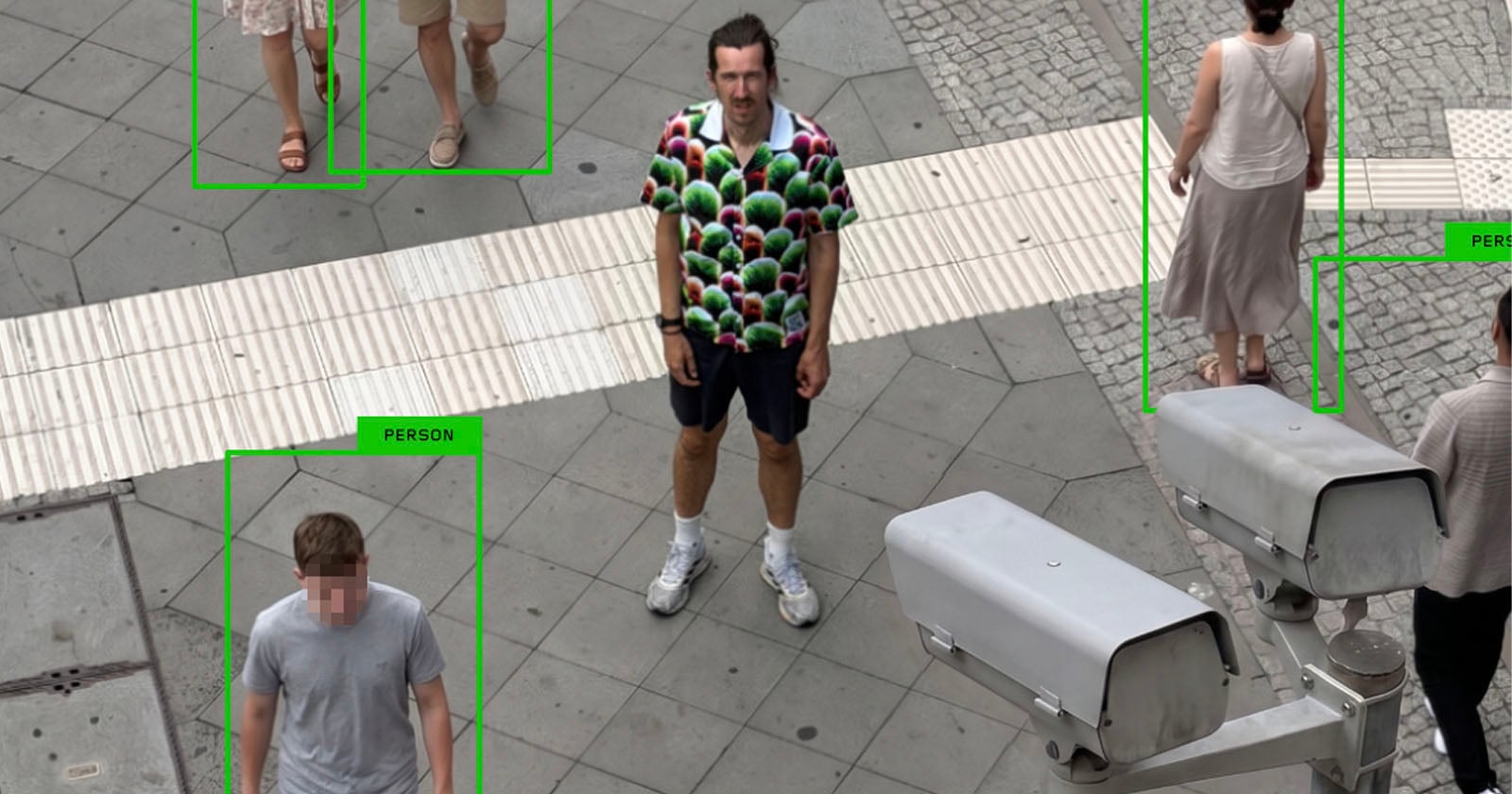
## Our Take: The Algorithmic Camouflage and the Shifting Landscape of Surveillance
The recent emergence of clothing designed to evade AI surveillance cameras, exemplified by the Hawaiian shirt detailed in PetaPixel’s article, is more than a novelty; it’s a potent symbol of the escalating tension between technological advancement and individual autonomy. For our audience, who appreciate curated aesthetics and a vibrant lifestyle, this isn't just about avoiding being identified on a street corner. It speaks to a deeper concern about the pervasive nature of AI-powered monitoring and its potential impact on creativity, self-expression, and the very fabric of public life. The shift from cameras simply recording video to actively *interpreting* it—identifying individuals, objects, and behaviors—represents a fundamental change in the surveillance paradigm, and one that demands a more nuanced understanding. This echoes concerns previously raised in our piece on The Ethics of Algorithmic Bias in Facial Recognition, where we explored how biased datasets can lead to discriminatory outcomes, highlighting the need for careful scrutiny of these technologies. The Hawaiian shirt, in essence, is a physical manifestation of resisting that algorithmic gaze.
The ingenuity of these "adversarial clothing" designs lies in their ability to exploit the vulnerabilities of current computer vision systems. AI, particularly deep learning models, relies on patterns gleaned from vast datasets of images. When presented with something outside those patterns—a shirt with deliberately disruptive patterns—the system struggles to classify it accurately, often misinterpreting the wearer as an inanimate object or simply failing to detect them altogether. This isn't a failure of the AI itself, but rather a consequence of its reliance on specific training data and a limited understanding of the world. The sophistication of these countermeasures is rapidly increasing, moving beyond simple patterns to incorporate dynamic elements and even interactive components. Consider, for instance, the ongoing research into adversarial patches – small stickers or overlays that can fool facial recognition systems. The implications for security and privacy are significant, and the arms race between surveillance technology and those seeking to circumvent it is only just beginning. We recently discussed a similar dynamic in AI-Powered Deepfakes and the Erosion of Trust, where the ability to manipulate digital images and videos raises serious questions about the reliability of visual information.
Beyond the immediate implications for privacy, this development raises broader philosophical questions about the nature of identity and perception in an increasingly mediated world. If our appearance can be so easily manipulated to deceive an AI, what does it mean to be “seen” or “recognized”? It challenges the notion of a fixed, objective identity, suggesting instead that identity is, to some extent, a performance—one that can be consciously altered to navigate the digital landscape. This resonates with the artistic sensibility we value, where the manipulation of image and perception is a central theme. The rise of adversarial clothing also underscores the importance of transparency and accountability in the development and deployment of AI surveillance technologies. Without clear guidelines and oversight, these systems risk becoming tools of mass surveillance and social control, stifling creativity and chilling freedom of expression. The very act of designing clothing to evade detection is a form of protest, a subtle yet powerful assertion of individual agency in the face of increasingly intrusive technologies.
Ultimately, the Hawaiian shirt and its ilk are not simply a technological curiosity. They represent a critical juncture in our relationship with AI and surveillance. As these systems become more pervasive and sophisticated, the need for strategies to protect our privacy and autonomy will only grow more urgent. The question isn’t whether we can stop the advance of AI, but rather how we can shape its development to ensure it aligns with our values. What safeguards, both technological and societal, will be necessary to prevent the erosion of privacy and freedom in a world where even our clothing can be weaponized against us?
Security cameras used to just record the view in front of them, but now the cameras themselves can actually recognize and label what it is they're seeing thanks to AI-powered computer vision. Some people take issue with this.
Read on the original site
Open the publisher's page for the full experience