This Is All So Weird and, Frankly, Stupid
Our take
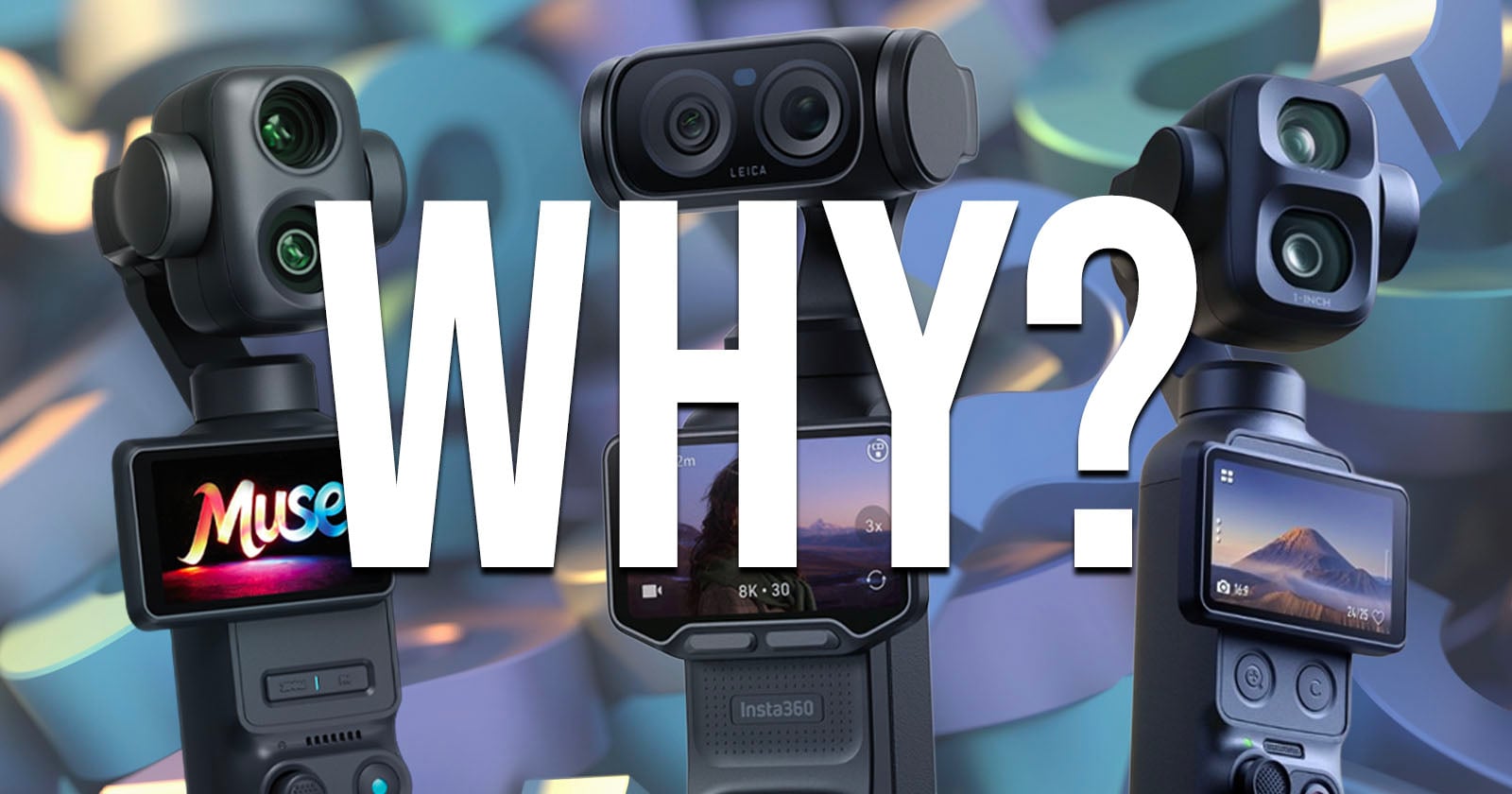
The photography world finds itself in a peculiar state, a sentiment echoed in PetaPixel’s recent piece, "This Is All So Weird and, Frankly, Stupid." The article rightly points to a recent wave of bizarre product announcements and delayed launches that have left the community scratching its head. It’s not simply about new gear; it’s the *nature* of the announcements – often vague, seemingly driven by hype rather than tangible innovation, and frequently lacking a concrete release date. This coincides with a broader trend of chasing established brands and aesthetics, as evidenced by articles like [There’s Yet Another Leica-Inspired 35mm Lens on the Market], highlighting the proliferation of lenses attempting to emulate the iconic Leica design and performance. The relentless pursuit of mimicking a legacy, rather than forging new ground, contributes to this feeling of creative stagnation. We’ve also seen a resurgence of appreciation for older technology, as explored in [The Unapologetic Soul: Why I Keep Returning to the 14-Year-Old Leica M9 Monochrom], suggesting a yearning for simplicity and tangible craftsmanship in a digital age increasingly dominated by complex algorithms and fleeting trends.
The underlying issue isn't necessarily the products themselves, but the marketing and the perceived desperation behind them. The photography community is discerning; it values authenticity and innovation. Empty promises and prolonged anticipation breed skepticism. This echoes the sentiment expressed in [The Advice You Won’t Get on Reddit as a Photographer], where the importance of producing compelling still photography is often overlooked in favor of chasing fleeting social media trends. The current climate feels like a frantic scramble to capture attention, a marked departure from the thoughtful, considered introductions that once defined the industry. It’s a symptom of a broader societal pressure for constant newness, even when the "new" is merely a rehash of something established, often with inflated expectations and questionable utility. The lack of genuine breakthroughs, coupled with the noise of countless imitators, is creating a sense of fatigue and disillusionment.
What's particularly concerning is the potential impact on smaller, independent manufacturers. While established brands can weather the storm of fleeting trends and delayed launches, smaller companies often rely on consistent, reliable product releases to maintain momentum and build a loyal customer base. This chaotic environment makes it difficult for them to compete, potentially stifling the very innovation that keeps the industry vibrant. The "Leica-inspired" lens market, for example, is becoming increasingly saturated, making it harder for genuinely unique and technologically advanced lenses to stand out. The focus shifts from quality and performance to marketing buzzwords and superficial aesthetics, leaving consumers overwhelmed and potentially underserved.
Ultimately, the current state of affairs raises a crucial question: where does the photography industry go from here? Will manufacturers prioritize authentic innovation and sustainable growth, or continue down the path of chasing fleeting trends and mimicking established brands? The community’s response will be key. A demand for transparency, quality, and genuine creativity will inevitably shape the future of photographic technology and its place within the broader cultural landscape. We need to see a return to craftsmanship, a focus on solving real problems, and a willingness to embrace new perspectives – not just another imitation.
For the past several months, the photography community has been subjected to the strangest series of product launches that we've ever seen. I use the word "launches" very loosely, because two-thirds of those products have yet to actually "launch."
Read on the original site
Open the publisher's page for the full experience