Tips on Making Your Best Street Portraits
Our take
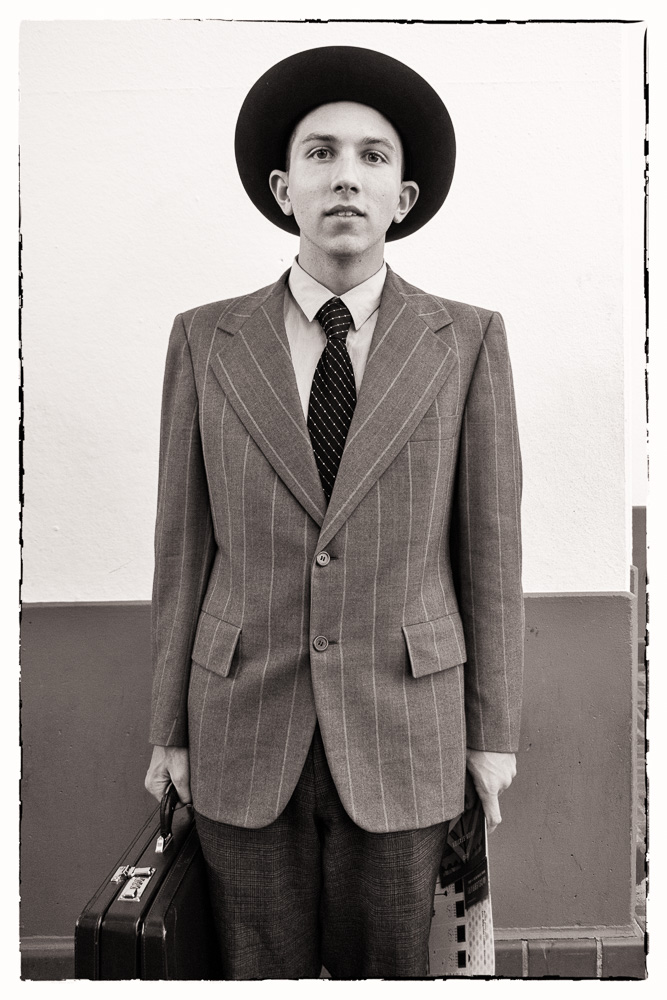
Street photography has long occupied a fascinating space at the intersection of art and everyday life, but there's something uniquely intimate about asking a stranger for a portrait rather than capturing them candidly. The distinction matters, and that's precisely what makes this conversation so relevant to anyone navigating the modern creative landscape. The article's focus on respectful engagement reflects a broader shift in how we conceptualize the relationship between artist and subject. This isn't simply about technical execution or equipment choices—it is about recognizing the humanity in every potential portrait. When we approach strangers with genuine curiosity rather than extractive intention, we open ourselves to more authentic moments and meaningful visual stories. The techniques shared here serve as a bridge between the photographer's creative vision and the subject's dignity, acknowledging that great street portraits emerge from mutual respect rather than stealth or manipulation.
What strikes me most about this guidance is how it aligns with a wider cultural moment where consent and representation have become central to creative practice. Photographers today operate in an era where awareness of image rights and personal boundaries has never been higher, and yet the desire to capture the human condition remains as powerful as ever. The solution is not to retreat from street portraiture but to approach it with greater intentionality and emotional intelligence. The methods outlined—clear communication, respectful distance, genuine interaction—transform what could feel like an intrusion into a collaborative experience. This is sophisticated photography at its finest, understanding that the process matters as much as the final image.
The rise of more advanced camera technology, including innovations like Sony's evolved 100-400mm f/4.5 GM OSS designed for sports and wildlife professionals, reminds us that the tools themselves continue to evolve. Yet no lens or sensor can replace the fundamental human connection that defines a truly compelling portrait. The article implicitly understands this, offering practical wisdom that goes beyond gear talk to address the more challenging but rewarding terrain of interpersonal engagement. For creative individuals seeking to develop their artistic voice, this distinction is crucial. The willingness to step outside one's comfort zone and approach a stranger with authenticity is what separates snapshot-takers from true visual storytellers.
This emphasis on ethical street portraiture also speaks to a larger truth about how we value creativity in our communities. When we ask rather than assume, when we explain our vision rather than hide behind our camera, we invite our subjects into the creative process. The resulting images carry a different energy, one that reflects not just the photographer's eye but also the subject's willingness to be seen. This approach produces more compelling photographs while contributing to a more humane creative ecosystem where everyone involved feels respected and valued. It is aspirational in the truest sense—not aspirational because of what it promises to make us look like, but because of how it invites us to behave.
As we look ahead, the conversation around street portraiture will only grow more nuanced. The tension between the photographer's artistic impulses and the subject's right to privacy is not going away; it is being refined. What we do with that tension defines the kind of creative community we want to build. The question worth sitting with is this: as technology makes it easier than ever to capture images, will we also rise to the challenge of capturing them with greater humanity? The answer may well determine the future of street photography itself.
Read on the original site
Open the publisher's page for the full experience