Tourist Filmed Taking Selfies Inches From Enormous Wild Bison
Our take
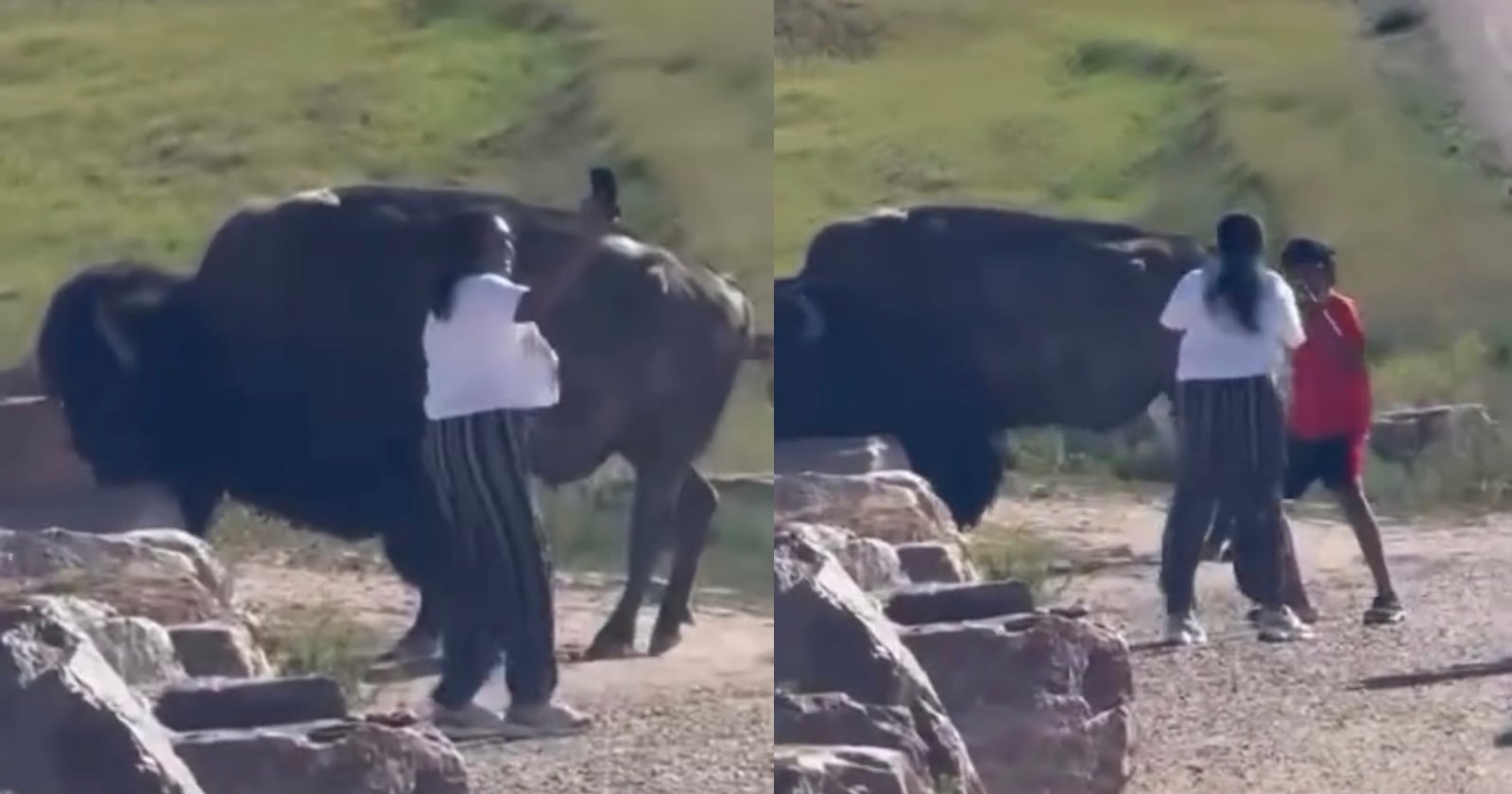
The recent video of a tourist brazenly taking selfies inches from a wild bison serves as a stark and disheartening reminder of humanity’s often-perilous relationship with the natural world. It's a story that unfortunately isn't new; just weeks prior, a photographer documented a man being violently thrown by a bison, a harrowing incident highlighting the unpredictable and potentially devastating power of these animals. This recurring pattern underscores a deeper issue: a growing disconnect between humans and wildlife, fueled by a desire for fleeting social media validation at the expense of personal safety and the well-being of the animals themselves. The escalating trend towards prioritizing the 'perfect shot' over responsible interaction resonates with a broader cultural shift, a pursuit of instant gratification that often overshadows respect for the environment. The rise of platforms like Sell-It.Media New Platform Lets Companies Bid on Eyewitness Videos of Breaking News, which commodifies eyewitness footage, inadvertently contributes to this mindset, incentivizing individuals to prioritize capturing events—regardless of the risk—over observing responsibly. It’s a complex interplay of factors, all converging to create situations where interactions between humans and wildlife become increasingly fraught with danger.
The allure of capturing a viral moment is clearly proving stronger than the instinct for self-preservation, and the consequences can be severe. Bison, despite their often docile appearance, are powerful, unpredictable animals, easily startled and capable of inflicting serious, even fatal, injuries. National parks and wildlife reserves exist to protect both the animals and the visitors, and adhering to established safety guidelines—maintaining a safe distance, respecting their space—is paramount. The prevalence of such incidents suggests a failure in education and awareness campaigns, a need to more effectively communicate the potential dangers and the ethical considerations involved in wildlife encounters. We've seen similar issues arise with other wildlife, from bears to alligators, demonstrating a consistent pattern of human encroachment and disregard for established safety protocols. It's also worth noting the recent shifts in the photography landscape, and how products like those being developed by Viltrox Viltrox Is Gearing Up for a Micro Four Thirds Reveal might inadvertently encourage closer proximity, seeking the 'perfect' image even at increased risk. The pursuit of photographic excellence should never supersede safety and respect for the creatures being documented.
Beyond the immediate danger to individuals, these close encounters have a broader ecological impact. Repeated disturbances can disrupt animal behavior, stress populations, and ultimately damage the delicate balance of the ecosystem. Bison, as keystone species, play a vital role in maintaining grassland health and supporting biodiversity. When their routines are consistently interrupted, it can have cascading effects throughout the food web. Furthermore, the normalization of such reckless behavior sets a dangerous precedent, potentially encouraging others to disregard safety guidelines and further jeopardizing both human and animal well-being. The recent decision to remove the Editor’s Choice Award for Echolens We are Removing the Editor’s Choice Award for Echolens highlights a broader movement to critically evaluate the values and ethics underpinning the photographic community, and this incident should serve as another catalyst for that introspection.
The incident with the tourist and the bison isn't simply a story about a reckless individual; it's a symptom of a larger cultural problem – a blurring of boundaries between humans and the natural world, driven by the pursuit of online validation and a diminishing sense of respect for wildlife. Moving forward, a multi-faceted approach is needed, combining stricter enforcement of park regulations, more impactful educational campaigns, and a conscious effort within the photographic community to promote responsible and ethical practices. The question remains: can we shift the cultural narrative away from the pursuit of fleeting viral fame and towards a genuine appreciation for the beauty and fragility of the natural world, ensuring that both humans and wildlife can coexist safely and respectfully?
A tourist was filmed taking selfies dangerously close to a huge wild bison in a national park -- just weeks after a photographer captured a man being hurled eight feet into the air by one.
Read on the original site
Open the publisher's page for the full experience