Track Down the People Who Stole Your Photos
Our take
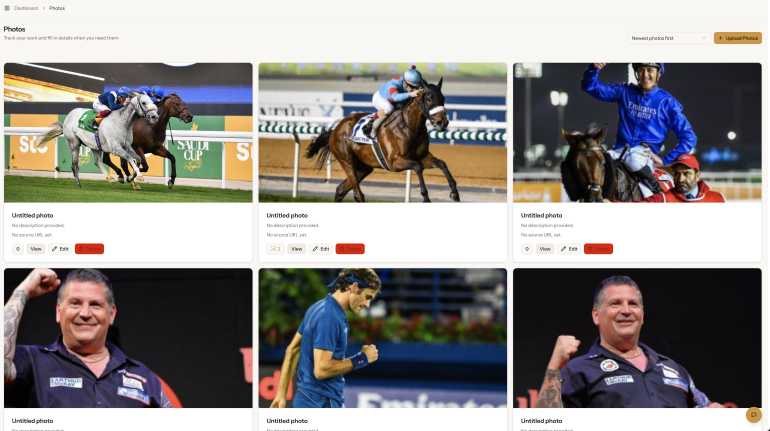
The escalating concern surrounding image copyright and digital theft has reached a critical juncture, underscored by The Phoblographer’s partnership with Imalume and their efforts to empower photographers with tools to reclaim their work. This isn't simply about recovering lost revenue; it’s about safeguarding artistic integrity in an era increasingly threatened by AI replication and unauthorized use. Recent events highlight the severity of the situation; an Influencer Ordered to Pay $20,000 For Refusing to Remove Video of Woman demonstrates the legal and financial repercussions of disregarding individual privacy and copyright, a trend we’re likely to see more of as digital content becomes ever more accessible and easily manipulated. The Phoblographer's proactive stance, coupled with the growing anxieties revealed in articles like Tech Executives Are Hiring Security as Backlash Toward AI Gets Violent – where the fear of public reaction to AI misuse is prompting drastic security measures – reveals a wider cultural shift towards protecting intellectual property and human creativity.
The Phoblographer's commitment to supporting human-created imagery, specifically those resistant to AI mimicry, is a vital counterpoint to the current technological landscape. Their exploration of a printed magazine, alongside a refusal to rely on advertising revenue from major camera manufacturers, represents a bold and arguably necessary departure from conventional publishing models. The publisher’s vision of a subscription-based model, fueled by a modest contribution from a dedicated audience, speaks to a desire for sustainability and independence, allowing them to prioritize quality content and ethical practices. It’s a refreshing rejection of the relentless pursuit of scale that often compromises the integrity of niche publications. This echoes the legacy of figures like Margaret Thomas, the Trailblazing First Female Staff Photographer at ‘The Washington Post’, who paved the way for photographers to find their voice and secure their rightful place in the world of visual storytelling – a fight for recognition and compensation that continues today.
The underlying narrative here extends beyond copyright infringement; it's about the value we place on human artistry in a world rapidly being reshaped by artificial intelligence. As AI tools become increasingly sophisticated, the ability to create genuinely unique and expressive photographic work – work that reflects human perspective, emotion, and experience – will become even more valuable. The ease with which AI can generate seemingly “original” images threatens to devalue the skill, labor, and artistic vision of human photographers. Initiatives like Imalume and The Phoblographer's commitment to supporting such work are therefore not just about protecting individual photographers’ rights, but about preserving the cultural significance of human creativity itself. The courage to pivot away from traditional advertising models and toward a community-supported subscription system signals a fundamental reimagining of how niche media can thrive in a digital age, placing value on quality and authenticity over sheer reach.
Looking ahead, the question becomes: can this model of direct support and independent curation become a viable alternative for other creative platforms facing similar challenges? The Phoblographer’s experiment could serve as a blueprint for other publications, artists, and creators seeking to build sustainable communities around their work, free from the pressures of corporate advertising and the homogenizing influence of algorithmic optimization. The success of this approach hinges on the collective recognition that supporting human creativity is an investment in our cultural future—one worth a mere dollar a year.
Read on the original site
Open the publisher's page for the full experience