Our Take
In the intricate dance between public figures and the visual narrative that shapes their perception, the recent dispute between President Trump and the Associated Press regarding photo rights offers a compelling, if somewhat stark, illustration. At its heart, the issue isn't merely about access to an image, but about the very control of storytelling in the digital age. The Associated Press, as a purveyor of visual journalism, holds a unique position in capturing and disseminating moments that define our collective understanding of events. Their refusal to grant specific usage rights, as reported, underscores the inherent tension when a subject seeks to dictate the terms of their own portrayal, particularly when that portrayal involves sensitive or potentially defining imagery. This situation invites us to consider the delicate balance between a news organization's journalistic integrity and a public figure's desire to manage their public image.
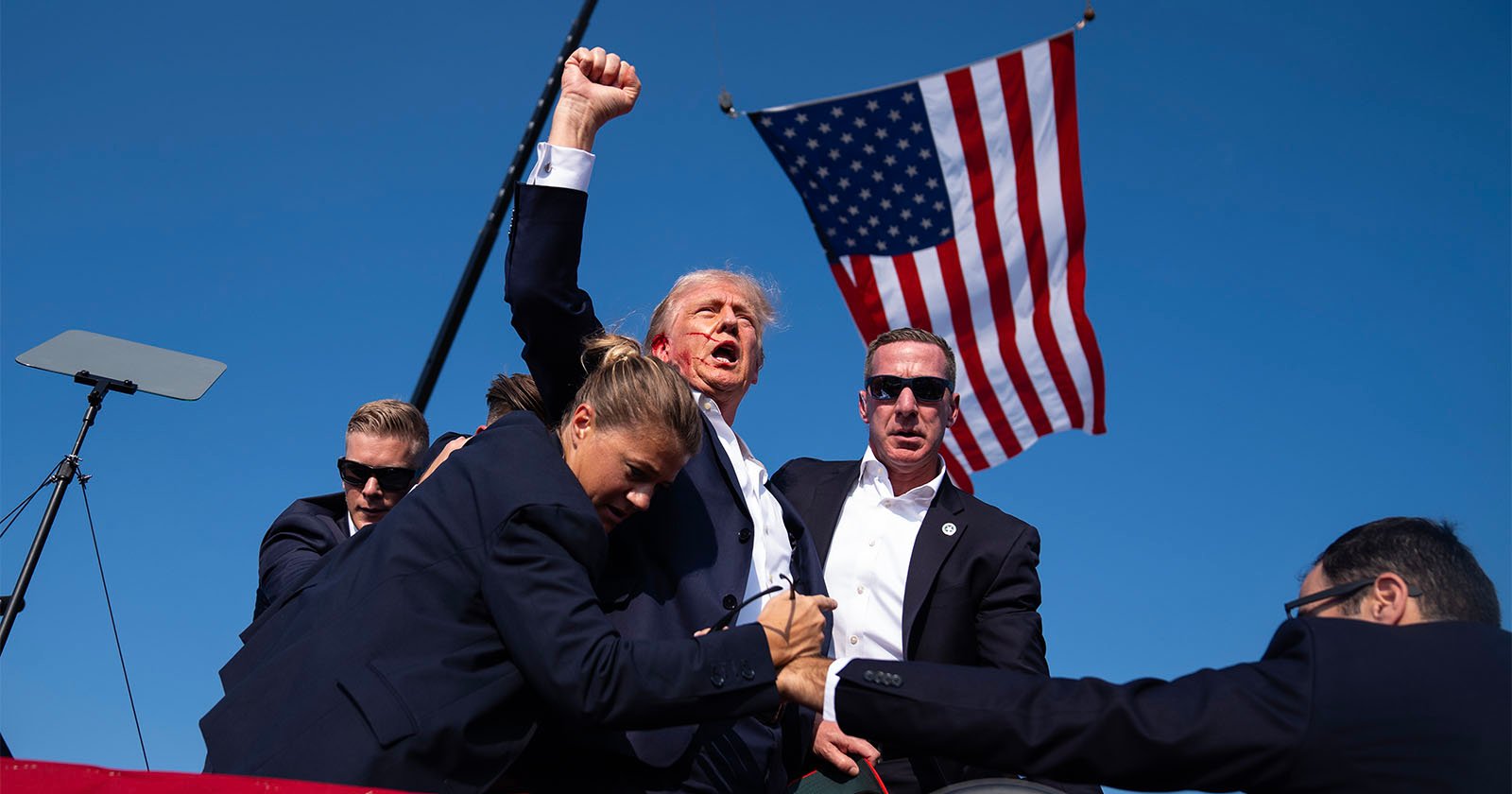
The refusal to grant rights to the assassination attempt photographs is not simply a transactional disagreement; it speaks to a broader conversation about the power dynamics at play in media. For a news agency, the integrity of its archives and the equitable distribution of its photographic assets are paramount. Conversely, for a figure as prominent as a former president, the ability to control the narrative, especially around moments of significant public interest, can be seen as a strategic imperative. The "rough treatment" reportedly meted out by President Trump suggests a frustration with this perceived lack of control, highlighting how access and ownership of imagery can become a potent tool in political discourse. It’s a reminder that photographs are not just passive records; they are active participants in shaping perception and influencing opinion.
This scenario prompts a deeper reflection on the evolving landscape of media consumption and production. In an era where images are instantly shareable and often decontextualized, the control over their original dissemination and intended use becomes increasingly significant. The Associated Press's stance, in this instance, appears rooted in the fundamental principles of journalistic practice – to capture and report, not to curate for the sole benefit of a single subject. The underlying dispute, therefore, is less about the specific photographs and more about the very nature of photographic rights in a world where the lines between journalistic output and personal branding are constantly being redrawn. It’s a complex interplay, where artistic sensibility meets the practical realities of media ownership and public engagement.