Underwater Camera Captures a Fish Walking Backward for the First Time
Our take
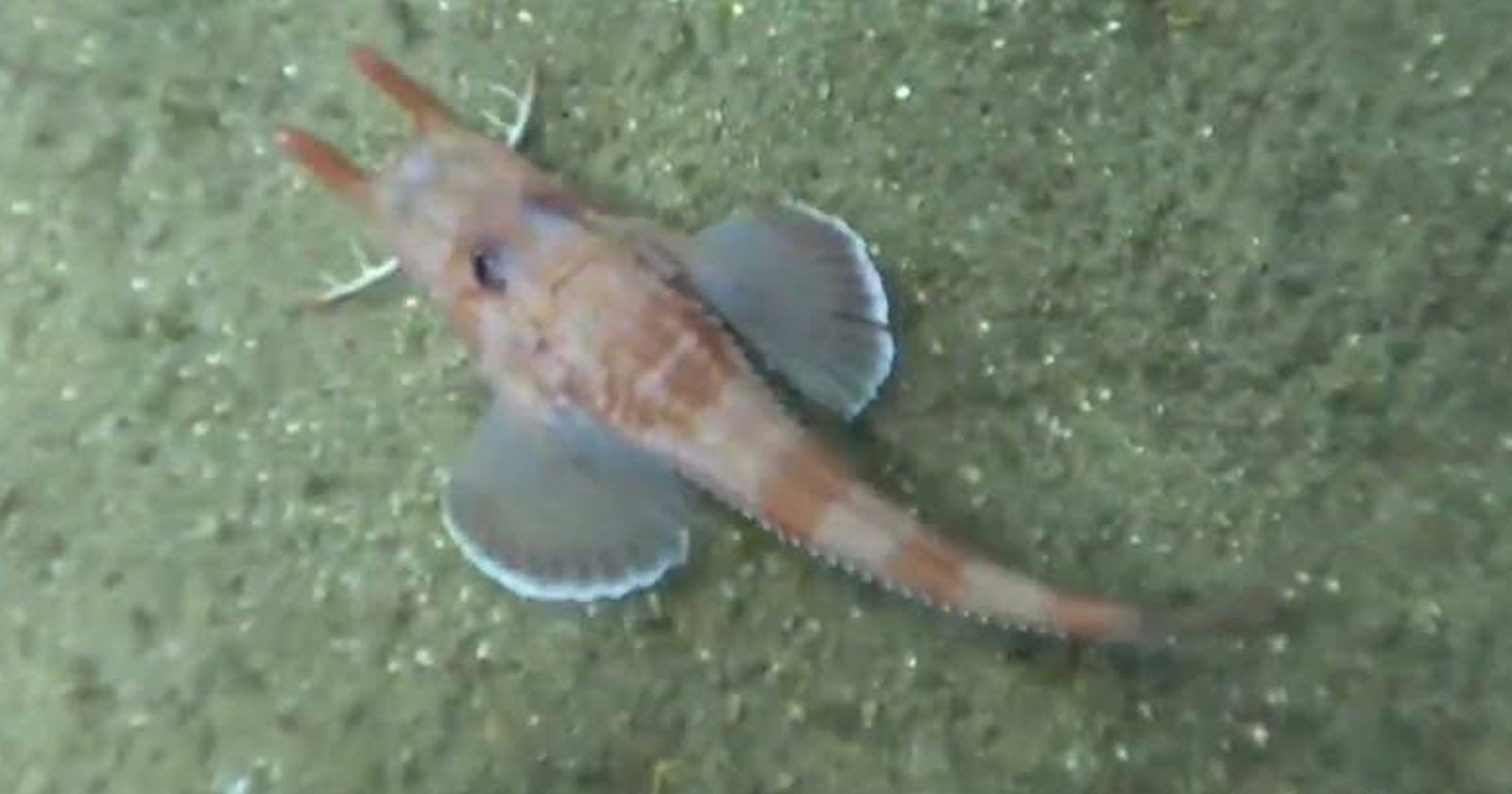
The ocean continues to reveal its secrets, and the recent footage of a sea robin fish walking backward is a compelling testament to the biodiversity still waiting to be fully understood. This isn't merely a quirky observation; it’s a significant moment in marine biology, offering a glimpse into evolutionary adaptations we’ve never before witnessed in fish. It underscores the remarkable ingenuity of life in adapting to challenging environments. The discovery prompts us to reconsider our assumptions about locomotion and behavior in aquatic ecosystems, and it builds upon a growing body of research highlighting the unexpected discoveries possible through underwater exploration. For those captivated by the ingenuity of the natural world, this revelation resonates with the spirit of discovery showcased in articles like [Underwater Drone Looks for Shipwreck, Finds Washing Machines Instead], demonstrating that even seemingly routine explorations can yield remarkable, if unexpected, results. The meticulous work required to capture such footage also echoes the dedication seen in [Why Award-Winning Wildlife Photographer Amish Chhagan Trusts Novachips Memory Cards], illustrating the vital role of specialized equipment and expertise in documenting these fleeting moments.
The backward and sideways movement of this sea robin, previously undocumented in fish, suggests a highly specialized adaptation for navigating complex seafloor environments. Sea robins, known for their distinctive head spines and ability to burrow in sediment, are already fascinating creatures. This newly observed locomotion likely provides a unique advantage in maneuvering through tight spaces or evading predators in the sandy or muddy bottoms they inhabit. It’s intriguing to consider how this behavior evolved – whether it's a recent adaptation or a trait that has existed for longer but remained hidden due to the challenges of underwater observation. The fact that it took until 2026 to capture this behavior on film highlights just how much we still have to learn about the ocean's inhabitants, even those relatively well-studied. The use of advanced underwater camera technology was clearly instrumental in this discovery, allowing scientists to observe behavior in its natural habitat without disrupting it.
Beyond the immediate biological implications, this discovery speaks to the broader importance of continued investment in marine research and conservation efforts. The ocean represents a vast, largely unexplored frontier, teeming with untold biodiversity and potential scientific breakthroughs. The ability to capture and analyze these subtle behaviors—like a fish walking backward—relies on increasingly sophisticated technology and dedicated teams of researchers. This footage, and others like it, serve as powerful reminders of the fragility and wonder of marine ecosystems, emphasizing the urgent need to protect them from the impacts of climate change, pollution, and overfishing. The parallel with the surprising findings documented in [Researchers Leave Trail Camera in Abandoned House, Capture Rare Interactions Between Birds of Prey] reinforces the idea that careful observation, even in seemingly mundane locations, can yield profound insights into the natural world.
Looking ahead, the question becomes: what other unexpected behaviors are hidden within our oceans? As underwater technology advances, and as we dedicate more resources to marine exploration, we can anticipate a cascade of new discoveries that will reshape our understanding of aquatic life. Will we witness similar behavioral adaptations in other fish species? Will this discovery lead to a deeper understanding of the biomechanics of locomotion in aquatic environments? The possibilities are vast, and this backward-walking sea robin serves as an inspiring reminder of the boundless wonders that await us beneath the waves.
A team of scientists filmed a shrimp-like fish walking both sideways and backward in first-ever footage of such behavior in a fish.
Read on the original site
Open the publisher's page for the full experience