Our Take:
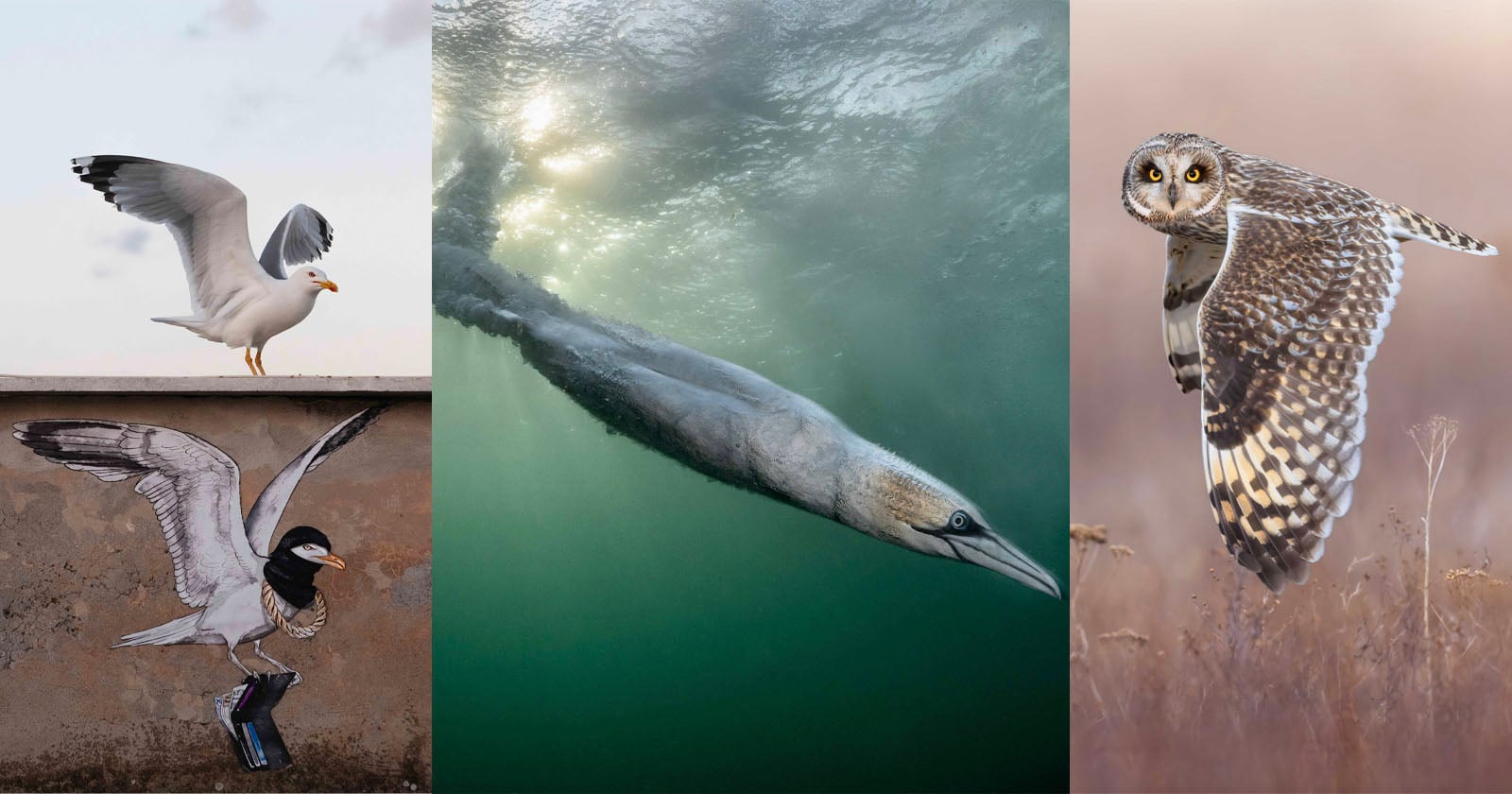
The recent announcement of the Bird Photographer of the Year 2026 winners, particularly the striking image of a northern gannet erupting from the ocean's depths, serves as a powerful testament to the immersive artistry inherent in wildlife photography. This competition, rightly lauded as the "world’s largest bird photography competition," consistently elevates the craft, showcasing not just technical prowess but a profound connection to the natural world. The winning gannet photograph, with its dynamic composition and raw energy, transcends mere documentation; it’s a curated moment of vibrant life, captured with an aspirational vision that speaks volumes about the photographer's dedication and skill. Such images remind us that photography, at its best, is a dialogue between human perception and natural wonder, freezing fleeting moments into timeless works of art. For those intrigued by the technical nuances behind such breathtaking shots, understanding techniques like What Is Focus Stacking, and When Should You Actually Use It? can offer valuable insights into achieving unparalleled clarity and depth. Furthermore, the commitment required to capture such wildlife moments often involves pushing the boundaries of equipment, as explored in discussions like Canon’s Problem with the Flagship R3.
The significance of these awards extends far beyond the individual accolades. They cultivate a global community of photographers dedicated to conservation and visual storytelling, fostering an authentic appreciation for avian life. Each winning image becomes a window into diverse ecosystems, highlighting the beauty and fragility of our planet. This competition champions a style of photography that is both technically refined and emotionally resonant, pushing participants to develop their artistic eye while also demanding a deep understanding of their subjects' behavior and environment. It's a blend of patience, precision, and an unwavering passion for the wild, culminating in visuals that inspire awe and provoke thought. The resulting body of work is a vibrant tapestry, woven from countless hours spent in the field, waiting for that singular, perfect moment. This curated collection of images becomes a powerful educational tool, offering insights into biodiversity and the urgent need for its protection, all while maintaining an elevated aesthetic.
The Bird Photographer of the Year competition underscores a broader trend in visual culture: the increasing demand for authentic and immersive content that connects us to the natural world. In an era saturated with digital imagery, these photographs stand out for their genuine artistry and the tangible effort behind their creation. They offer a refreshing counterpoint to the generic and the superficial, instead inviting viewers to delve deeper into the narrative each frame presents. The aspirational quality of these images also plays a role, inspiring budding photographers and enthusiasts alike to explore their own creative potential within the realm of nature photography. It's about more than just capturing a bird; it's about capturing its essence, its environment, and the story it tells. This focus on authentic storytelling, often with a powerful underlying message, resonates deeply with an audience that values both aesthetic beauty and meaningful content, much like the profound storytelling seen in exhibitions such as Photo Exhibition Imagines What Emmett Till’s Life Could Have Been.
Looking ahead, the continued evolution of competitions like Bird Photographer of the Year will undoubtedly shape the future of wildlife photography. As technology advances, allowing for even more sophisticated captures, the emphasis will likely remain on the artistic vision and ethical approach of the photographer. The challenge will be to leverage these tools to enhance, rather than detract from, the authenticity of the imagery. We anticipate seeing even more immersive storytelling, pushing the boundaries of what a single photograph can convey about the delicate balance of nature. The question then becomes: how will photographers continue to innovate, not just in capturing the vibrant visions of the avian world, but in translating those visions into powerful calls for conservation and a deeper connection to our natural heritage?