Videographer is Facing One Year in Jail for Flying Drone to Film Church During World Cup
Our take
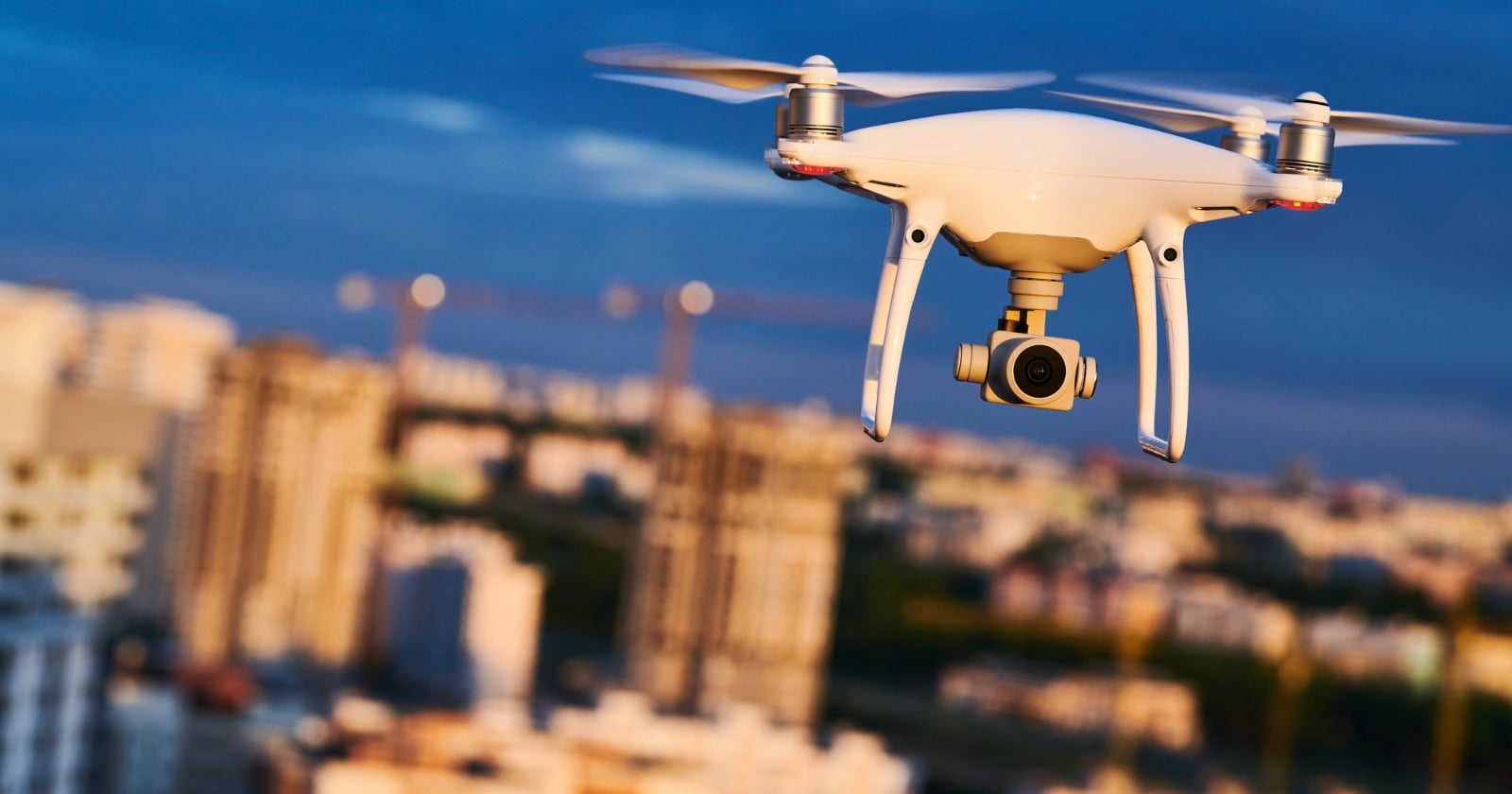
The recent arrest of a videographer by the FBI for flying a drone to film a church in Houston, Texas, during the lead-up to the 2026 World Cup—a World Cup, it's important to note, that isn’t even being held in Houston—raises unsettling questions about the scope of surveillance and the interpretation of airspace regulations. This incident, seemingly absurd on the surface, highlights a growing tension between artistic expression, technological advancement, and increasingly stringent governmental oversight. It echoes concerns we've explored before regarding the erosion of creative freedoms in the digital age, as seen in our piece [Advice for digitals+modeling scams], where the pursuit of aesthetic ideals can intersect with precarious legal landscapes. The fact that this individual, a professional videographer presumably familiar with regulations, was facing potential jail time for a two-minute flight underscores the potential for overreach and the need for clearer, more nuanced guidelines. The incident also carries a chilling resonance with the case of a photojournalist jailed for six weeks after reporting on ICE, [Photojournalist Jailed for Six Weeks After Reporting on ICE], a stark reminder of the risks faced by those documenting sensitive events.
The legal justification for the arrest remains murky. While drone regulations are undeniably vital for safety and security, particularly around sensitive infrastructure, the application of these rules in this instance appears disproportionate. The World Cup designation, seemingly the trigger for heightened scrutiny, feels tenuous when there’s no actual event taking place in Houston. This case is especially poignant given the current renaissance in panoramic film and visual storytelling, [We Are Living in a Panoramic Film Renaissance], where drones have become essential tools for capturing breathtaking perspectives and immersive experiences. Limiting their use based on vague interpretations of regulations stifles creativity and inhibits the evolution of visual media. It begs the question: where does responsible drone operation end, and unwarranted surveillance begin? The incident serves as a cautionary tale about the potential for well-intentioned laws to be wielded in ways that restrict artistic license and impede legitimate professional activities.
Beyond the immediate legal ramifications for the videographer, this case has broader implications for the creative community. It fosters a climate of self-censorship, where artists and filmmakers may be hesitant to utilize drones for fear of attracting unwanted attention from authorities. This chilling effect could significantly impact the quality and diversity of visual content produced. Furthermore, the incident highlights the need for greater public discourse about the balance between security concerns and individual freedoms in the digital age. The speed at which drone technology has advanced has seemingly outpaced the development of clear, consistent legal frameworks, creating a breeding ground for ambiguity and potential abuse. The reliance on broad interpretations of existing laws, rather than the creation of specific drone-related legislation, contributes to this uncertainty and increases the risk of arbitrary enforcement.
Looking ahead, it's crucial to observe how this case is resolved and what precedents it sets. Will this incident lead to a re-evaluation of drone regulations and a clarification of acceptable usage parameters? Or will it serve as a deterrent, further restricting the creative potential of this powerful technology? The legal system’s response will undoubtedly shape the future of drone filmmaking and the broader landscape of artistic expression in a world increasingly monitored and surveilled. One must wonder if this case will spark a wider conversation regarding the necessity of specialized training and certification for commercial drone operators, or whether existing airspace laws are sufficient to govern their use.
A professional videographer was arrested by the FBI after flying a drone for two minutes to film a church in Houston, Texas, during the 2026 World Cup, despite no matches being held in the city that day.
Read on the original site
Open the publisher's page for the full experience