Videographer Killed While Returning Camera to His Car After Event
Our take
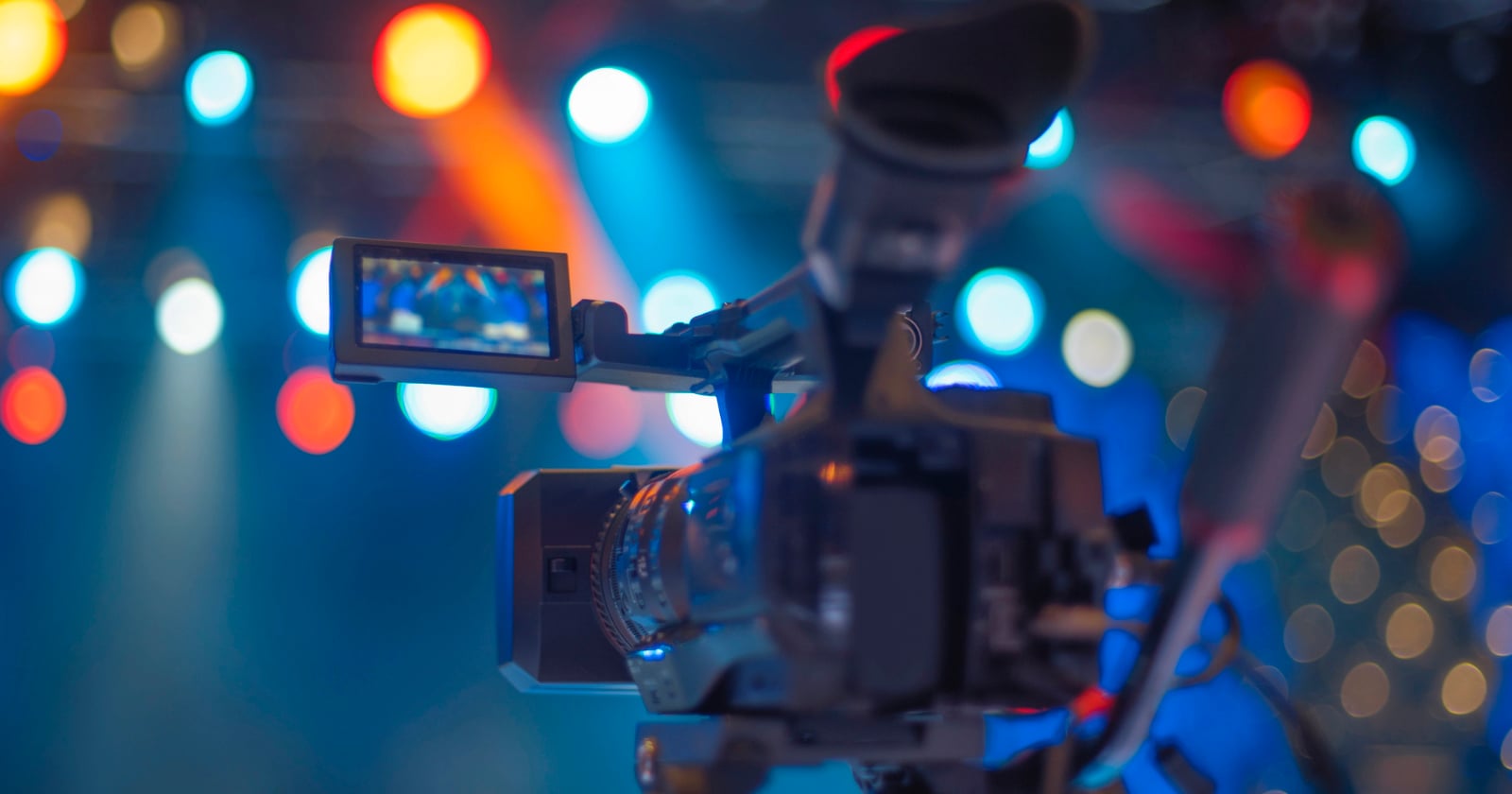
The tragic loss of a videographer, fatally shot while securing his equipment after an event, reverberates far beyond this single incident. It’s a stark reminder of the increasingly precarious realities faced by freelance creatives, particularly those operating within the event and entertainment industries. This isn’t simply a crime; it’s an intersection of factors – late-night work, often in less secure environments, the vulnerability of carrying expensive equipment, and, undeniably, the broader societal issues surrounding gun violence. We’ve seen similar concerns raised within the photography community, as highlighted in The Risks Freelance Photographers Face, and this event underscores the urgent need for heightened awareness and preventative measures. The freelance creative landscape often demands long hours and travel, pushing individuals into situations where they might be more susceptible to risk, and the value of their tools – cameras, lighting, and other gear – can make them targets.
The broader significance of this event lies in its potential to impact the creative ecosystem. Many freelance videographers and photographers operate on tight margins, relying on a steady stream of gigs to sustain their livelihoods. The knowledge that their profession could expose them to such danger raises serious questions about safety protocols at events, the responsibility of event organizers to ensure the well-being of their hired staff, and the support systems available to creatives facing potential threats. It also brings into sharp focus the importance of personal safety training and awareness – skills often overlooked in the pursuit of artistic expression. The discussion around safety and security within the creative industries needs to move beyond cursory concerns and become a proactive, integrated element of workflow and event planning. For example, articles such as Safety Tips for Photo and Video Shooters offer practical advice, but the industry as a whole needs to prioritize these considerations.
Beyond the immediate grief and shock, this incident compels us to examine the cultural context in which it occurred. The normalization of violence, the ease of access to firearms, and the increasing prevalence of opportunistic crime all contribute to an environment where such tragedies can unfold. While it's impossible to directly attribute this specific act to any single factor, it serves as a painful illustration of the risks inherent in a society grappling with these complex challenges. The artistic community, often focused on beauty and creation, must also acknowledge the darker realities that exist alongside it, and advocate for safer working conditions and a more secure environment for all. The event organizer's role in ensuring the safety of all vendors and staff, including videographers and photographers, is now under renewed scrutiny, and we should expect more stringent safety requirements moving forward. A recent piece on industry best practices, Event Security Best Practices highlights the importance of comprehensive planning.
Looking ahead, the implications of this tragedy are likely to extend beyond individual safety protocols. We anticipate a rise in demand for security services at events, a greater emphasis on risk assessment and mitigation strategies, and a broader conversation about the psychological toll that such incidents can take on creative professionals. Will insurance providers begin offering specialized coverage for freelance creatives facing these kinds of risks? Will industry organizations develop standardized safety guidelines and training programs? And, perhaps most importantly, will this event serve as a catalyst for meaningful change, prompting a collective commitment to protecting the individuals who bring visual storytelling to life? The creative community, and the industries that rely on it, must learn from this devastating loss and proactively build a safer, more secure future.
A videographer was shot dead as he put his camera back into the backseat of his car after doing a job at a party last week.
Read on the original site
Open the publisher's page for the full experience