Webb Photographs One of the Most Puzzling Galaxies in the Universe
Our take
## Our Take: Unraveling the Cosmic Puzzle of Arp 263
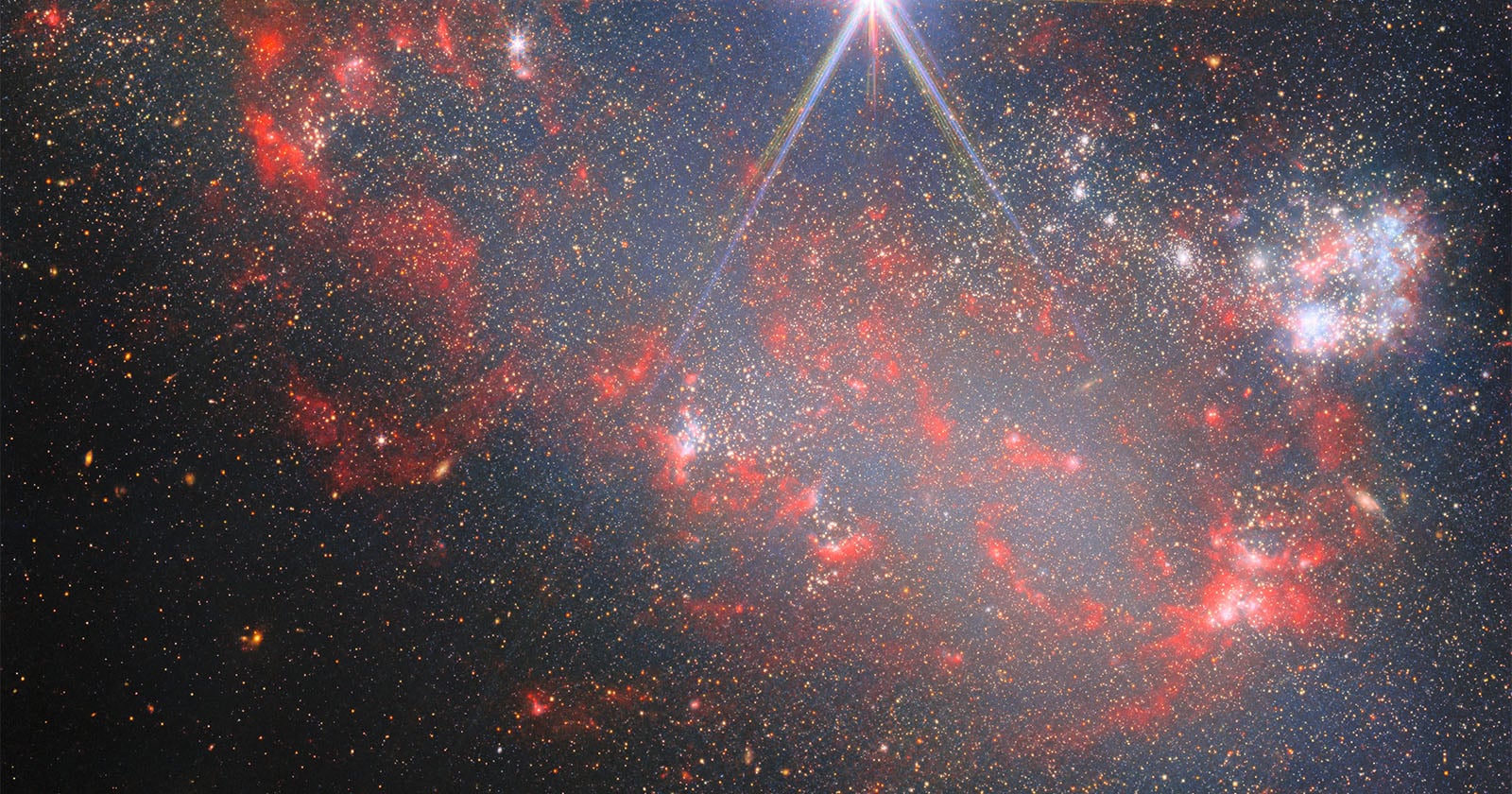
The universe continues to unveil its secrets, and the latest ESA/Webb Picture of the Month, showcasing the irregular galaxy Arp 263, offers a particularly fascinating glimpse into the aftermath of galactic collisions. Captured in stunning infrared detail, this image reveals a galaxy in a truly perplexing state – a final, protracted phase of what must have been a dramatic merger event that occurred eons ago. For our audience, who appreciates the intersection of artistry and scientific discovery, this isn’t just a pretty picture; it’s a window into the complex and often chaotic processes that shape the cosmos. Understanding these galactic interactions is crucial for piecing together the history of our own Milky Way, which has undoubtedly experienced its own share of mergers throughout its existence. It's also a compelling reminder that the grand narratives of cosmic evolution are rarely neat or predictable, often resulting in unexpected and beautiful anomalies. For those intrigued by the broader implications of Webb’s capabilities, we recently explored James Webb's Unprecedented Data: A New Era for Astronomy which details the transformative impact of this instrument on our understanding of the universe. And if you missed it, our piece on The Dance of Distant Galaxies: Webb Reveals Unexpected Interactions provides further context on the ongoing research into galactic mergers.
The peculiar nature of Arp 263 lies in its extended, asymmetrical structure and the unusual distribution of gas and dust. While galactic mergers are common – indeed, they are a fundamental driver of galactic evolution – the protracted and seemingly incomplete nature of this particular event is what makes it so intriguing. Infrared observations, as Webb excels at providing, are key to understanding this phenomenon. They allow us to peer through the obscuring dust clouds and reveal the underlying processes at play, such as the ongoing star formation triggered by the collision and the gravitational interactions that are reshaping the galaxy. The image reveals vast, swirling nebulae and clusters of bright stars, all testament to this ongoing activity. What’s particularly striking is the lack of a clear, well-defined core, suggesting that the merging process has not yet settled into a stable configuration, or perhaps never will. The galaxy seems to be caught in a perpetual state of flux, a cosmic dance of gravitational forces.
Beyond the immediate visual splendor, Arp 263 offers valuable insights for astronomers studying galaxy evolution. It presents a unique laboratory for testing models of galactic mergers and understanding the complex interplay between gravity, gas dynamics, and star formation. By analyzing the chemical composition of the gas and dust within Arp 263, scientists can learn about the origins of the material involved in the merger and the processes that have shaped the galaxy over time. This kind of detailed analysis is only possible with the advanced capabilities of Webb, which allows us to probe the universe with unprecedented sensitivity and resolution. Furthermore, this discovery highlights the importance of continued observation and data analysis; what appears puzzling today may yield profound insights tomorrow as our understanding of galactic dynamics deepens. Consider our recent analysis of The Role of Dark Matter in Galactic Collisions – a piece that helps provide the theoretical underpinning for understanding these complex events.
Looking ahead, the continued observation of galaxies like Arp 263 will be crucial for refining our models of galactic evolution and understanding the diversity of galactic forms we observe in the universe. The sheer volume of data being generated by Webb presents both an opportunity and a challenge. As we continue to analyze this data, we are likely to uncover even more unexpected and intriguing phenomena, further blurring the lines between our theoretical expectations and the realities of the cosmos. One compelling question arises: are there other galaxies out there in similarly protracted states of merger, quietly reshaping themselves over billions of years, unseen and largely unstudied? And if so, what unique processes are they undergoing, and what can they tell us about the fundamental laws governing the universe?
The latest ESA/Webb Picture of the Month captures the irregular galaxy Arp 263 in infrared light, showing the very odd final phase of a long-past galactic merger.
Read on the original site
Open the publisher's page for the full experience