Wedding Photographer Falsely Arrested Over Maid of Honor’s Stolen Wallet Wins Key Ruling in Lawsuit
Our take
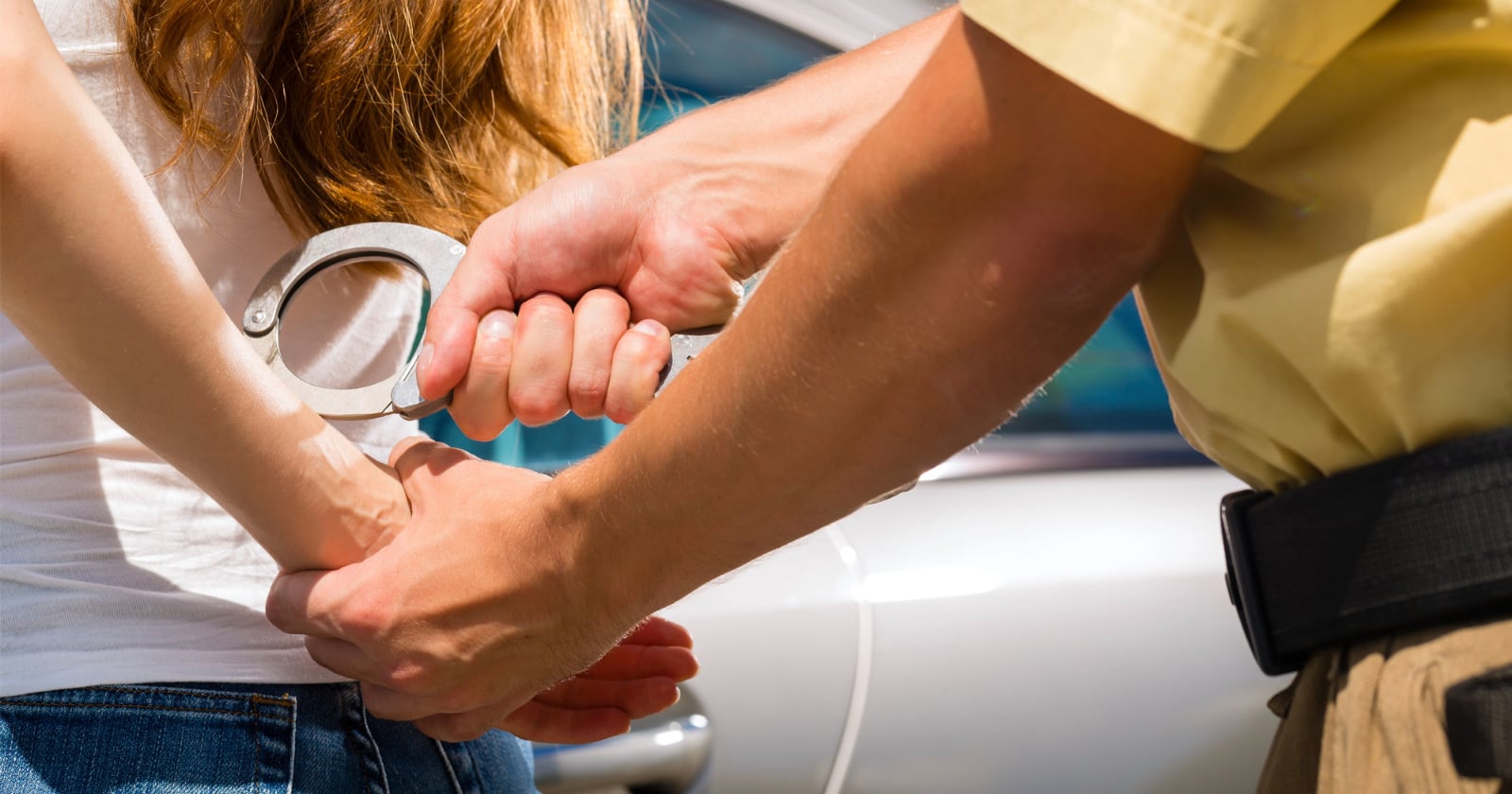
The recent ruling in the lawsuit against police, concerning wedding photographer Stephanie Baker’s wrongful arrest, resonates deeply within our community – a community that values artistry, professionalism, and the integrity of creative work. Baker’s case, where she was accused of stealing the maid of honor’s wallet during a wedding and subsequently arrested, highlights a disturbing vulnerability for creatives operating within public spaces. The fact that this case is moving forward after initial dismissal underscores a growing awareness of the potential for overreach and the damaging consequences of false accusations. It’s a stark reminder of the precarious position artists can find themselves in, particularly when their livelihood is intrinsically tied to capturing moments of trust and celebration. This echoes the broader anxieties surrounding personal safety and professional reputation, anxieties also explored in articles like [Taylor Sheridan Has Never Gone to Prison. He Wrote This Book in Case He Does.] and [Two Female Photographers Sentenced to Combined 24 Years in Prison in Iran], both of which touch upon the fragility of freedom and the potential for unjust consequences.
The implications of this ruling extend far beyond Baker’s individual experience. It establishes a precedent, however small, for holding law enforcement accountable for actions that demonstrably harm a professional’s reputation and business. The damage to Baker's brand, her ability to secure future bookings, and the emotional toll of the ordeal are all significant factors. While the legal process is far from over, the fact that the case is proceeding signals a recognition of the validity of her claims. The incident also serves as a cautionary tale, prompting photographers to meticulously document their presence at events, maintain clear communication with clients and event staff, and understand their rights in the event of an encounter with law enforcement. The unsettling reality of camera gear theft, as reported in [Police Search for Suspect Who Stole Camera Gear From TV Crew Filming on Beach], further underscores the vulnerabilities faced by visual professionals and the need for heightened vigilance.
Beyond the legal ramifications, this case ignites a crucial conversation about public perception and the ease with which accusations can spread in the digital age. Social media, in particular, can amplify misinformation and damage reputations before facts are even established. Baker’s story underscores the importance of due process and the need for a more nuanced understanding of the complexities involved in investigations. It challenges the assumption of guilt and emphasizes the critical role of evidence-based decision-making, particularly when it impacts the lives and careers of individuals. The artistic profession, built on trust and creative expression, is particularly susceptible to reputational damage stemming from unfounded allegations.
Ultimately, the Baker case represents more than just a legal battle; it's a fight for the preservation of artistic integrity and the protection of professional reputations. It prompts us to consider the broader societal implications of wrongful accusations and the responsibility of institutions to ensure fairness and accuracy in their investigations. What safeguards can be implemented to protect creative professionals from false accusations and reputational harm, particularly in environments where they are documenting sensitive events? The outcome of this lawsuit will undoubtedly shape the landscape for creatives navigating public spaces and interacting with law enforcement, demanding a more thoughtful and protective approach to their work and well-being.
A wedding photographer’s lawsuit against police claiming that they falsely arrested her for stealing the maid of honor’s wallet -- in a case that she says damaged her professional reputation -- is moving forward.
Read on the original site
Open the publisher's page for the full experience