What Is Longitudinal Chromatic Aberration and Why Is it So Hard to Correct?
Our take
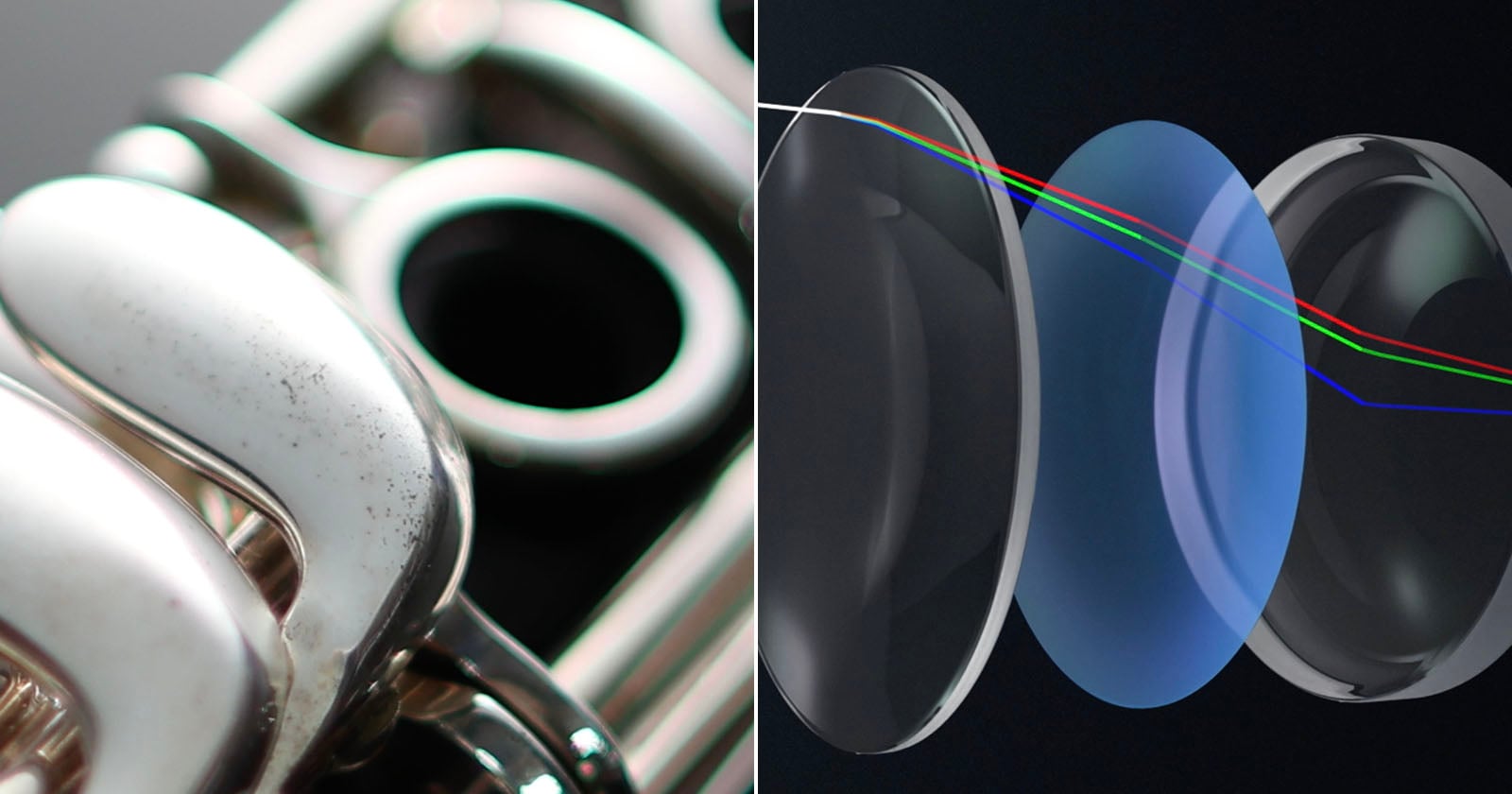
The persistent presence of longitudinal chromatic aberration (LoCA), that curious fringing of green and pink along high-contrast edges, is a familiar challenge for photographers. While many might dismiss it as a minor annoyance easily corrected in post-processing, the article rightly highlights the inherent difficulty in both preventing it optically and eliminating it digitally. This isn’t merely a technical quirk; it speaks to the fundamental limitations of lens design and the complex interplay of light and glass. Understanding LoCA, and the reasons it’s so stubbornly resistant to correction, is crucial for photographers seeking to elevate their craft and truly master the nuances of image creation. It’s a topic that aligns perfectly with our focus on artistic excellence and detailed technical understanding, much like the considerations explored in [The Portfolio Review Every Photographer Needs], where presenting technically sound work is essential for demonstrating mastery. Further, a deeper appreciation for optical imperfections can even inform creative choices, as demonstrated by the meticulous attention to detail in articles like [Flowerscapes: Photographing Flowers From a Bug’s Eye Perspective] and [Nature in Miniature: Advanced Techniques for Macro Compositions].
The root of the problem lies in the way lenses refract light. Different wavelengths of light bend at slightly different angles as they pass through glass elements. This phenomenon, chromatic aberration in general, manifests as color fringing. Longitudinal chromatic aberration specifically refers to this fringing occurring along the *longitudinal* axis – meaning, from front to back of the image. While spherical aberration, another optical flaw, can be relatively easily corrected, LoCA is far more complex. It’s compounded by the often-asymmetrical designs of modern lenses, striving for sharpness and other desirable characteristics. Correcting it optically requires complex lens element configurations, often involving specialized glass types and intricate manufacturing processes, significantly increasing the cost and complexity of lens production. Post-processing solutions exist, of course, but they often require painstaking manual correction or reliance on AI-powered tools that can introduce other artifacts or soften the image. A truly elegant solution remains elusive, forcing photographers to either accept LoCA as a characteristic – even a potentially aesthetically pleasing one – or invest in lenses specifically designed to minimize it.
The implications of this challenge extend beyond simply achieving "perfect" images. It encourages a deeper engagement with the tools of photography and a more critical eye for detail. It reminds us that even the most advanced technology has its limitations, and that artistic vision often requires navigating these constraints. The pursuit of lens perfection is a continuous evolution, driven by both scientific advancements and the demands of photographers seeking ever-greater control over their images. We see this reflected in the wider trend of custom lens modifications and the growing appreciation for vintage lenses, which often exhibit unique optical characteristics, including LoCA, that some photographers find desirable. This understanding fosters a more nuanced appreciation for the entire photographic process, from the initial conception of an image to the final, polished result. It’s about recognizing that imperfections can be as compelling as perfection, and that the ability to manage these imperfections is a mark of a skilled photographer.
Looking ahead, the development of new lens materials, particularly those with unique refractive properties, offers the most promising avenue for minimizing LoCA. Simultaneously, advancements in computational photography and AI-powered image processing may provide more sophisticated and less destructive methods for correcting it in post. However, the inherent optical challenge is unlikely to disappear entirely. The question remains: will the pursuit of LoCA-free imagery continue to dominate the photographic landscape, or will we see a growing acceptance – and even embrace – of its presence as a distinctive aesthetic element, a subtle signature of the photographic process itself?
Have you ever looked at a photo and wondered, "What's with all the green and pink colors around high-contrast edges?" That's longitudinal, or axial, chromatic aberration. LoCA. It's common, very difficult to prevent optically and nearly as hard to remove during post-processing.
Read on the original site
Open the publisher's page for the full experience