What Profoto’s Expanded Sony a9 III Global Shutter Support Means for Photographers
Our take
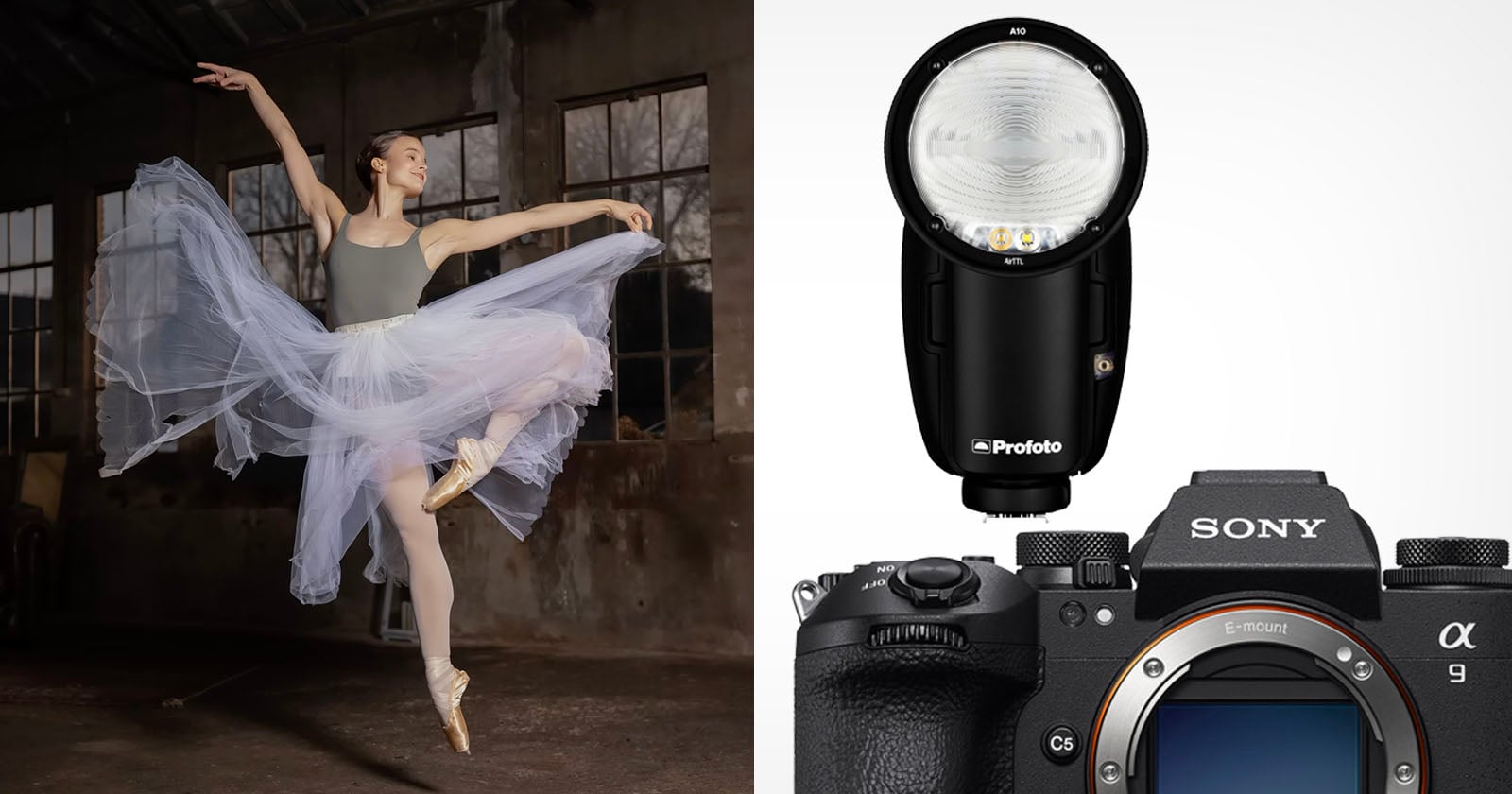
The announcement of expanded Profoto support for the Sony a9 III’s global shutter capabilities marks a significant shift in the landscape of professional photography, particularly for those working in studio environments. The a9 III’s sensor technology, allowing for flash sync at any shutter speed without the traditional limitations of rolling shutters, is revolutionary in itself. However, Profoto’s firmware update, effectively unlocking the full potential of this feature across a wide range of their lighting systems, elevates it from a promising technological advancement to a genuinely practical tool for working photographers. This development directly addresses a long-standing constraint in high-end photography, where achieving perfectly synchronized light and motion was a complex and often compromised process. It’s a welcome evolution, especially considering recent discussions around the evolving competitive landscape in the photography tech space, as highlighted in Insta360 and DJI Hate Each Other | The PetaPixel Podcast – a reminder that innovation often arises from dynamic competition.
The beauty of this integration lies in its simplicity and the creative freedom it unlocks. Previously, photographers utilizing high shutter speeds for creative motion blur or freeze-frame effects were restricted by their camera's flash sync speed, often necessitating complex workarounds or sacrificing light output. The a9 III, paired with Profoto’s updated firmware, eliminates this barrier. Imagine capturing a dancer mid-leap with perfectly illuminated details, or freezing a splash of water with crisp, controlled lighting – scenarios that were previously difficult or impossible to execute consistently. This isn’t just about technical prowess; it's about expanding the artistic possibilities for photographers, empowering them to realize their vision with greater precision and control. The ability to manipulate both light and motion independently opens doors to entirely new aesthetic approaches, moving beyond traditional studio lighting techniques. It’s an advancement that resonates with the broader trend toward sophisticated mobile editing tools, as seen with the release of VSCO Launches Studio Pro, a Mobile Photo Editor High-Volume Photographers, where increasingly powerful tools are democratizing creative control.
Beyond the immediate benefits for studio photographers, this development also has broader implications for the industry. It signals a continued push toward seamless integration between camera systems and lighting equipment, a trend that enhances workflow efficiency and ultimately benefits the end user. The collaboration between Sony and Profoto underscores the importance of ecosystem compatibility in the modern photography market. As camera technology continues to evolve at a rapid pace, the ability for lighting manufacturers to adapt and provide compatible solutions becomes increasingly crucial. Furthermore, the focus on global shutter technology highlights a shift away from older, rolling shutter systems, which were prone to distortions when capturing fast-moving subjects. This is a welcome move toward increased image fidelity and reliability, aligning with the broader industry emphasis on delivering the highest quality visuals. The advancements in this area also have implications for other sectors that rely on high-speed imaging, such as sports photography and scientific research.
Looking ahead, it will be fascinating to observe how photographers creatively leverage this new level of control. Will we see a resurgence of highly stylized studio portraits incorporating innovative motion blur techniques? Will this technology empower a new generation of photographers to push the boundaries of visual storytelling? The initial response from the photography community has been overwhelmingly positive, and it's reasonable to expect a surge in experimentation and innovation as photographers begin to fully explore the possibilities. The question now is: will other lighting manufacturers follow suit, further accelerating the adoption of global shutter technology and transforming the future of studio photography?
The Sony a9 III's 24-megapixel global shutter image sensor has a wide range of benefits for both photographers, including exceptional swiftness and flash sync at any shutter speed. This latter benefit has gotten significantly more useful for professional photographers thanks to a firmware update for eight of Profoto's lights.
Read on the original site
Open the publisher's page for the full experience