What Shooting 6×6 Taught Me About Formats and Rules
Our take
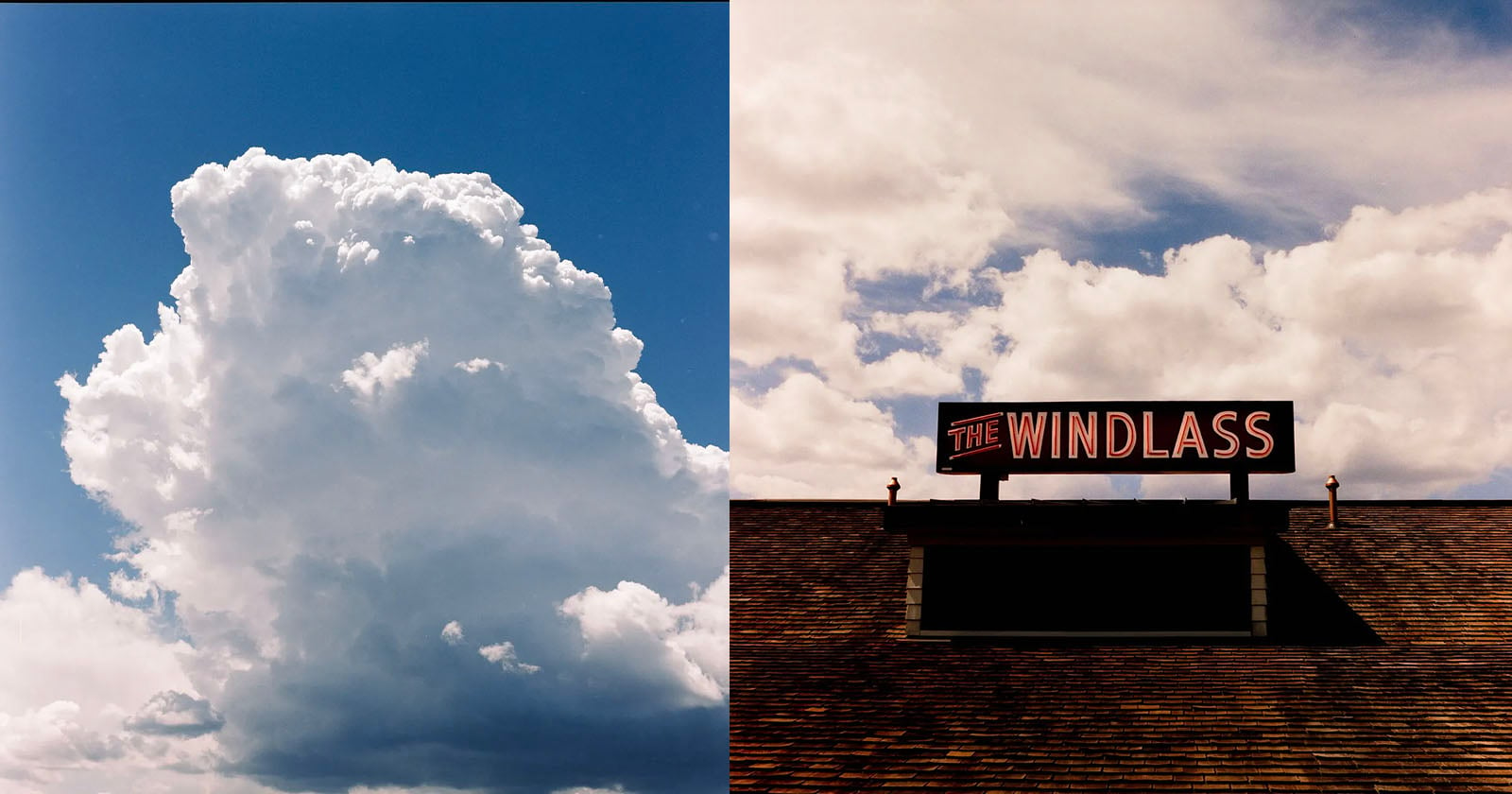
The photographer’s exploration of the 6x6 format, as detailed in “What Shooting 6×6 Taught Me About Formats and Rules,” resonates deeply with a sensibility that appreciates the deliberate constraints of artistic expression. It’s a fascinating reminder that limitations, rather than stifling creativity, can often unlock new avenues of vision. This isn't merely about a shift in aspect ratio; it's a profound re-evaluation of composition, framing, and the very act of seeing. The article’s author’s unexpected struggle with the square frame highlights a crucial point: our photographic vision is deeply intertwined with the formats we habitually employ. We build habits, aesthetic preferences, and compositional instincts around rectangular frames, and disrupting that ingrained perspective can be surprisingly challenging. This mirrors the ongoing debate within the photography world concerning digital versus film, and the trade-offs inherent in each. As we’ve explored in our review of the [Godox C100 Review: A Troubled Viewpoint], the ease of digital capture can sometimes lead to a proliferation of images lacking the thoughtful curation and deliberate composition born from the limitations of film. Similarly, the sheer volume of readily available imagery often overshadows the nuanced artistry present in collections like the one showcased in [Incredible Photo Collection Featuring Works by Nan Goldin and Diane Arbus Goes on Tour], where photographers like Arbus and Goldin masterfully utilized various formats to convey powerful narratives.
The beauty of the 6x6 format, and indeed any deliberate restriction in photographic practice, lies in its ability to force a reassessment of what constitutes a compelling image. The inherent symmetry of the square encourages a different kind of balance, prompting photographers to consider diagonals, negative space, and the relationship between elements within the frame in a novel way. It's a lesson applicable far beyond medium-format photography. Even within the digital realm, imposing self-imposed constraints—such as limiting oneself to a specific lens or shooting only in black and white—can foster a more focused and intentional approach. The ritualistic nature of film photography, as the author mentions, also contributes to this heightened awareness. The deliberate act of loading film, carefully composing each shot, and anticipating the cost of each exposure encourages a mindful engagement with the subject matter that is often absent in the instant gratification of digital photography. This mindful approach is increasingly valuable in a world saturated with fleeting visual information.
Beyond the purely technical considerations, the embrace of alternative formats speaks to a broader cultural trend: a yearning for authenticity and a rejection of the homogenized aesthetic often associated with contemporary digital imagery. There’s a growing appreciation for the imperfections and unique qualities inherent in analog processes—the grain of the film, the subtle variations in color, the tangible physicality of the print. This desire for something genuine and handcrafted is reflected across various creative disciplines, from fashion and design to music and art. The current popularity of vintage lenses and film stocks further underscores this sentiment. While the convenience and versatility of digital photography remain undeniable, a segment of photographers is actively seeking ways to reconnect with the tactile and deliberate nature of analog processes, finding in them a renewed sense of artistic purpose and a deeper connection to their craft. It's a subtle rebellion against the relentless march of technological progress, a deliberate choice to embrace the limitations that ultimately enrich the creative process.
Ultimately, the photographer’s experience with the 6x6 format serves as a potent reminder that the tools we use shape the way we see the world. It encourages us to question our assumptions, to experiment with new perspectives, and to appreciate the power of constraints in fostering creativity. As camera technology continues to evolve at an astonishing pace, and with brands offering increasingly specialized equipment, as evidenced by offerings like those discussed in [Phoblographer Members Get a Special Viltrox Discount and More], will photographers continue to seek out these deliberate limitations, or will the pursuit of limitless possibilities ultimately lead to a homogenization of photographic vision? The answer, perhaps, lies in finding a balance – embracing the advancements of technology while remaining mindful of the fundamental principles that underpin compelling visual storytelling.
I recently added a camera that shoots 6x6 to my shelf. Square negatives, twelve per roll. I expected to enjoy the lens, the build, the ritual of loading film backs. What I didn’t expect was how much the shape of the frame would mess with the rest of my photography vision.
Read on the original site
Open the publisher's page for the full experience