What to Know About the Classic Portrait Lens
Our take
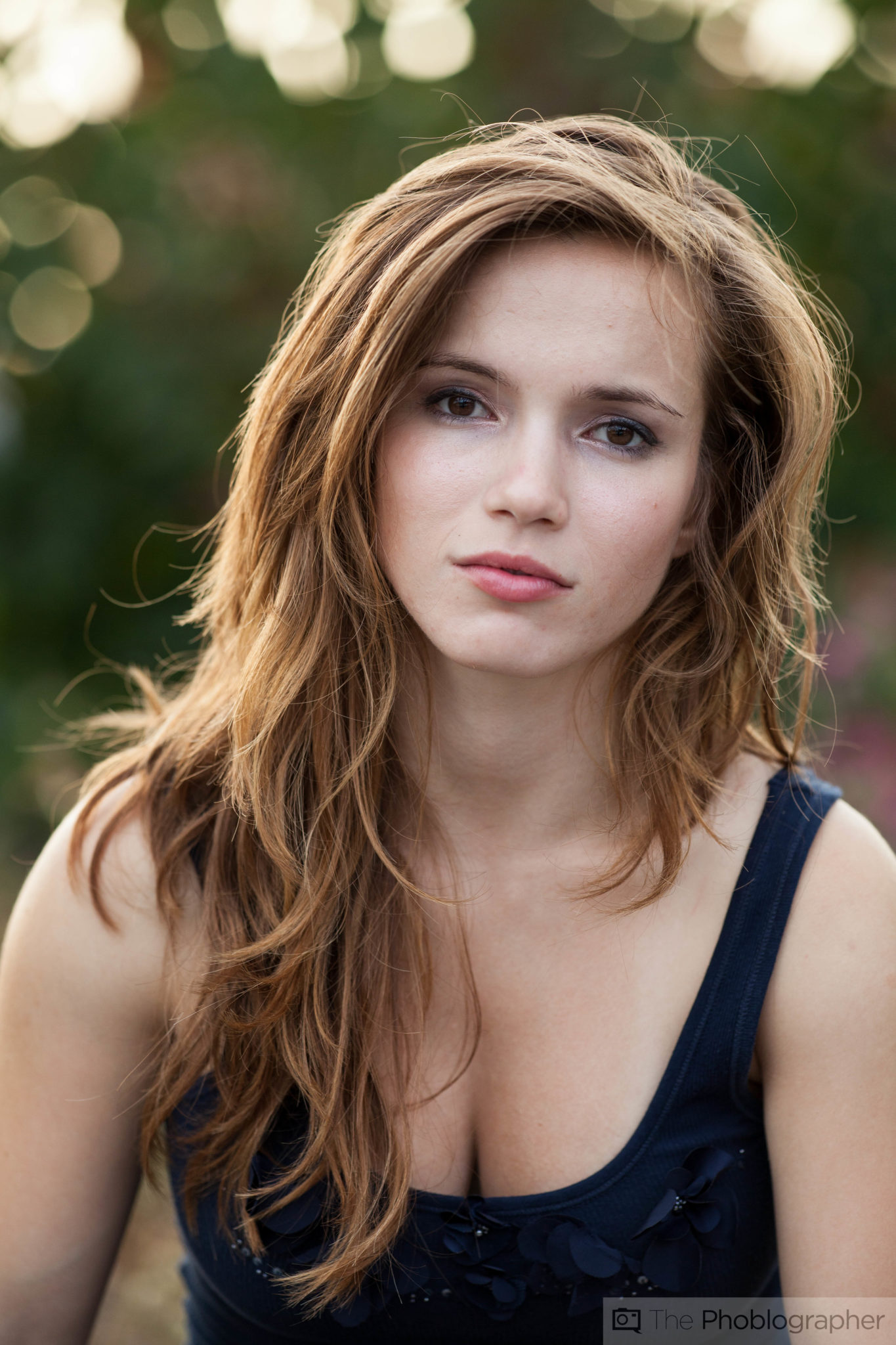
The allure of the "classic portrait lens" is undeniable, particularly for photographers embarking on their creative journey. The promise of beautiful bokeh, razor-sharp focus, and rich, pleasing colors is a siren song, drawing many toward specific focal lengths and aperture ranges. However, as the referenced article rightly points out, the term itself is less about the gear and more about the desired outcome. It's a reminder that technical proficiency, while important, is only one piece of the puzzle. We’ve explored this concept of relying too heavily on automatic settings before, as seen in [Your Camera is on Auto Mode. You Just Don’t Realize It], where the ease of modern cameras can sometimes overshadow the deliberate choices that define a photographer's vision. Ultimately, the lens is a tool, and like any tool, its effectiveness is entirely dependent on the skill and artistry of the person wielding it. To assume a specific lens automatically guarantees stunning results is a misconception that can hinder, rather than help, a photographer's development.
The enduring appeal of the "classic" aesthetic in portraiture speaks to a deep-seated human preference for timeless beauty. Think about the portraits of Irving Penn or Richard Avedon—the magic wasn’t solely derived from their lenses, but from their understanding of light, composition, and, crucially, the subject. The article's caution against equating gear with quality resonates strongly with our broader philosophy here: creativity precedes equipment. It’s far more valuable to hone your ability to see and capture emotion than to chase the latest, most lauded piece of photographic hardware. Consider, for instance, Darren Almond’s daring use of moonlight to create striking images – a testament to ingenuity rather than a reliance on conventional tools, as showcased in [Haunting Photos Taken Under the Full Moon Turn Night Into Day]. This pushes the boundaries of what is considered standard, demonstrating that exceptional results can be achieved through unexpected approaches.
The discussion also touches upon a broader truth about the evolution of photography. The ease with which images can now be created and shared has, paradoxically, increased the importance of developing a distinct artistic voice. In a world saturated with photographs, simply achieving technical competence isn’t enough. Photographers must cultivate a unique perspective, learn to tell stories, and connect with their subjects on a deeper level. The struggles and triumphs of a photographer documenting life within Bulgaria’s notorious prison, as detailed in [Photographer Spends a Year with Inmates in Bulgaria’s Most Notorious Prison], exemplifies this—it’s the human connection and narrative power, not the lens choice, that truly defines the impact of the work. The “classic” lens, in this context, becomes a means to an end—a tool used to express a unique vision, not an end in itself.
Looking ahead, it's fascinating to consider how artificial intelligence will further complicate the relationship between photographer and equipment. As AI-powered tools become increasingly capable of mimicking photographic styles and even generating images from text prompts, the emphasis will likely shift even more dramatically towards conceptualization and storytelling. The skill won't be in mastering the mechanics of a particular lens, but rather in articulating a compelling artistic vision that AI can then help to realize. Will the term “classic portrait lens” even retain its significance in a future where photographic aesthetics are increasingly democratized and AI-driven? It’s a question worth pondering as we navigate the evolving landscape of visual creation.
Read on the original site
Open the publisher's page for the full experience