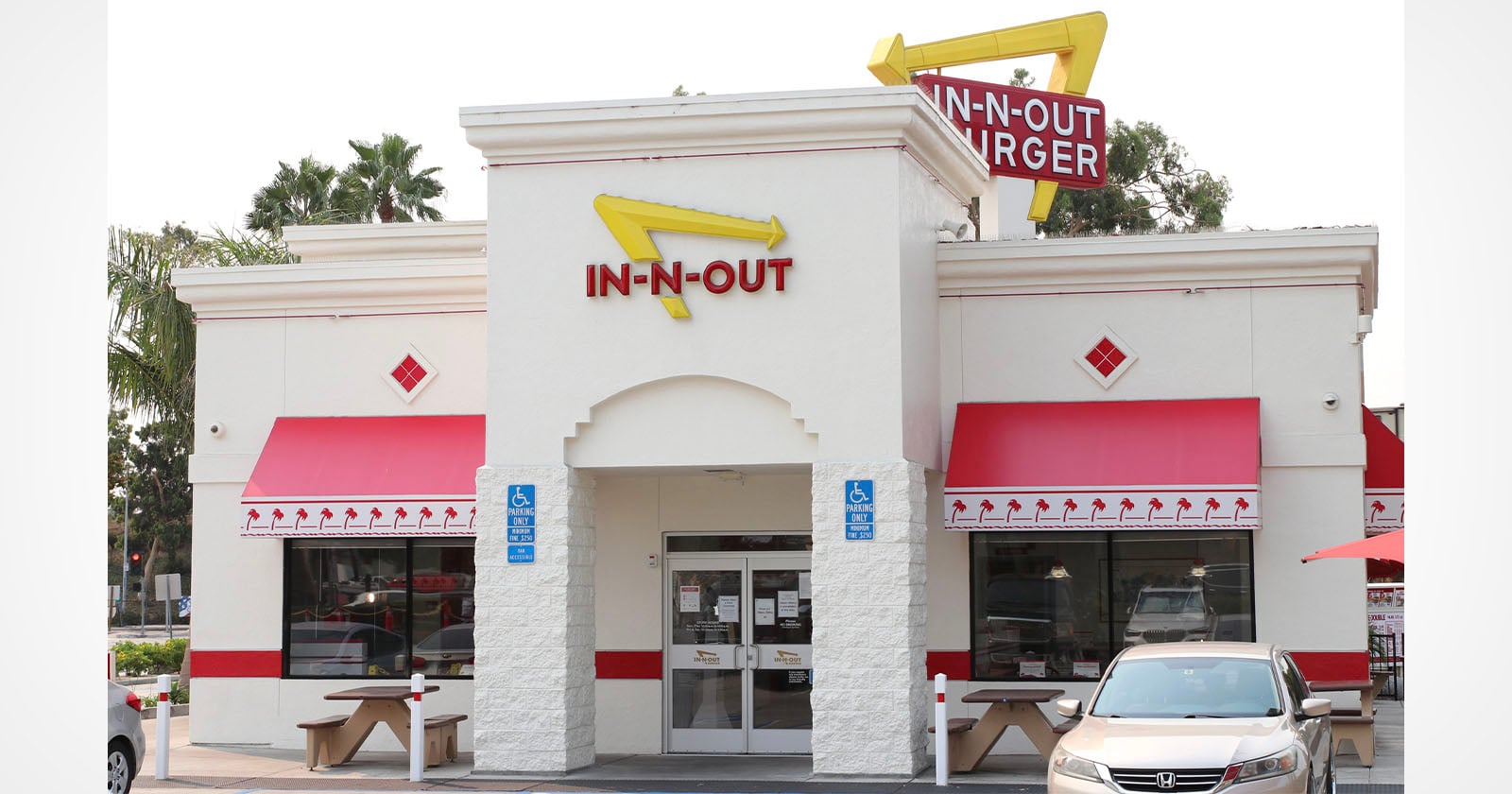
In-N-Out's demand that a high school football team delete a series of viral portraits taken at one of its restaurants is a rare misstep from a brand that usually understands its own cultural weight. The images were candid, celebratory, and deeply human, a professional photographer capturing young athletes in an everyday setting that felt both authentic and aspirational. That this moment of unguarded beauty was erased by a corporate legal request feels less like trademark enforcement and more like a failure to recognize the difference between commercial exploitation and genuine storytelling. We think the brand confused control with curation, and that confusion cost it a chance to participate in something far more valuable than a staged campaign.
This story lands in an interesting space alongside two recent pieces from our publication that explore the tension between artistry and institutional boundaries. In The Fifty Takes Flight as VSCO Names Its First 25 Billboard Artists, we saw a platform actively seeking out photographer-driven narratives and giving them visibility. VSCO's approach is the opposite of In-N-Out's: it trusts artists to frame the brand's world rather than policing how that world is shown. Meanwhile, From Lanterns to a Lifetime of Depth, Kyle Chandler’s Artistry Burns Bright reminds us that the most compelling work often emerges when a subject is simply allowed to exist in a space without a script. Chandler's career has been built on those quiet, authentic moments. The football team's photos had that same quality. In-N-Out's response treated them as a liability rather than a gift.
For our readers, creatives, photographers, and anyone who builds a visual identity around authenticity, this case is a practical warning. If you shoot on private property, even in a space as public as a fast-food restaurant, the brand owns the context. The photographer here had no legal argument, and that is the uncomfortable truth. But the larger cost is cultural. A brand that insists on sanitizing every image of its environment closes itself off from the very energy that makes it feel real. The most vibrant brand stories are not the ones that are tightly controlled; they are the ones that emerge organically, where the subject and the setting meet in a moment that no art director could have planned.
The specific consequence to watch is whether In-N-Out's legal team will now feel emboldened to issue similar takedowns for other unaffiliated portraits shot at its locations. If this becomes policy, the brand risks trading its iconic, lived-in aesthetic for a sterile, permission-only version of itself. That is a trade we would never recommend, and one that every brand with a visually loyal audience should think twice about before making.