Why Your F1.2 Lenses Suck
Our take
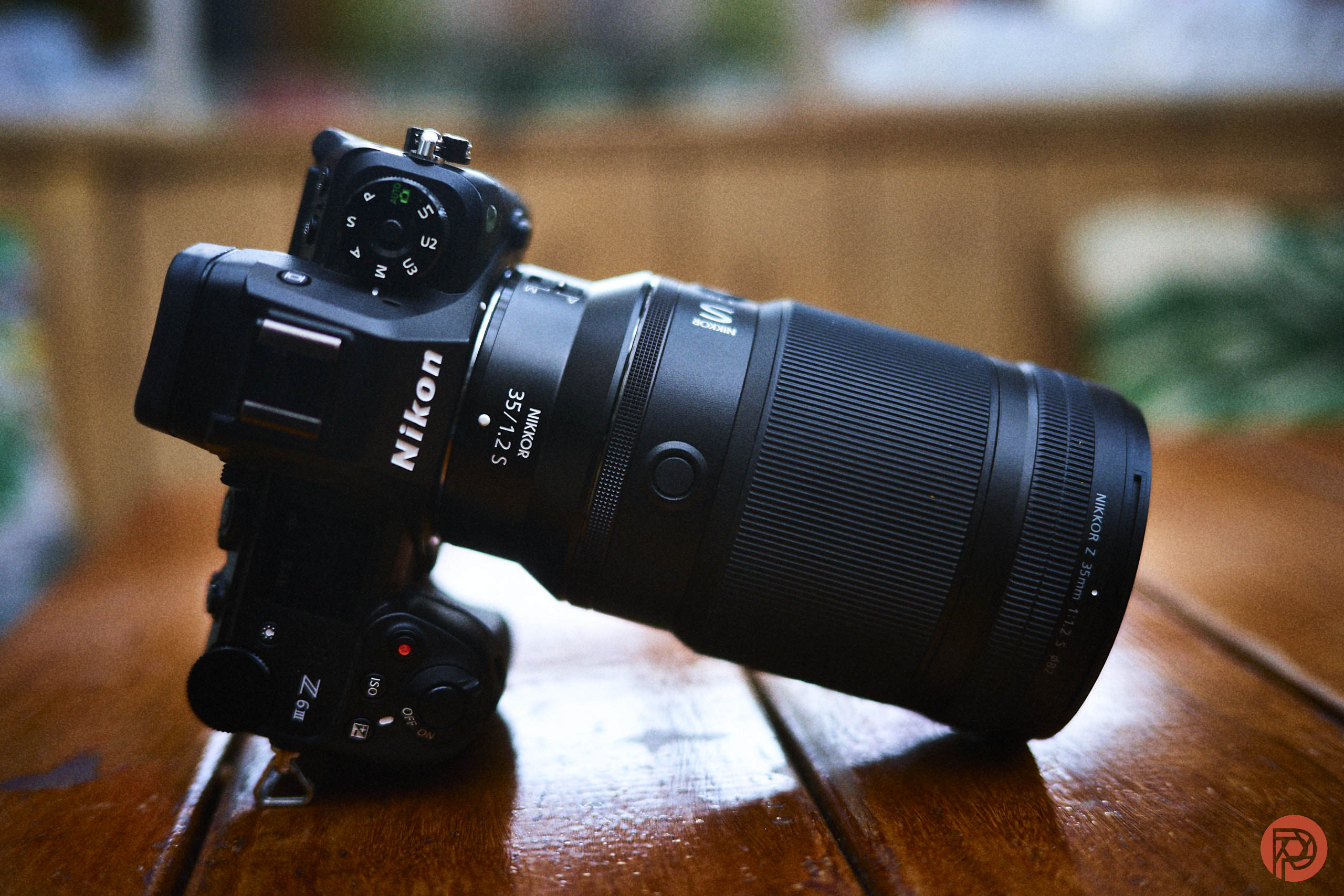
The recent proliferation of f/1.2 lenses across virtually every camera manufacturer’s lineup is a fascinating, if somewhat perplexing, development in the photographic landscape. It’s a far cry from the early 2000s when these lenses were rarefied objects, coveted for their extreme light-gathering ability and characteristic bokeh, but also notoriously difficult to master. Back then, encountering an f/1.2 lens felt like witnessing a technological marvel, largely limited to Canon and Leica systems. Now, the ubiquity of these lenses begs the question: have we reached a point of diminishing returns? The article rightly points out this shift, recalling a time when their scarcity amplified their allure. For those interested in the broader evolution of camera technology, exploring [How Canon Is Hiding an Even Bigger Surprise for 2026] offers insight into the ongoing innovation within the industry. And for those seeking exceptional image quality, particularly in low-light conditions, the Brightin Star’s new 14mm f/2.8 lens, as detailed in [Brightin Star’s New 14mm f/2.8 Lens Promises High-End Astro Photos], presents an intriguing alternative, demonstrating that ultimate aperture isn't the only path to stellar results.
The core issue isn't necessarily that these lenses are “bad,” as the title provocatively suggests. It’s that their widespread availability has diluted the mystique and, arguably, the practical benefit. The extreme shallow depth of field inherent in f/1.2 apertures demands exceptional skill and precision in focusing. Misjudge the plane of focus by even a fraction of a millimeter, and your subject will be rendered frustratingly out of focus. While autofocus technology has improved dramatically, it still struggles in many scenarios with such narrow depth of field. Historically, the difficulty of these lenses was part of their appeal; a badge of honor for photographers who could tame their challenging nature. Now, with manufacturers pumping out f/1.2 lenses for every system imaginable, the barrier to entry has lowered, but the difficulty of achieving consistently excellent results remains. The market seems driven by a desire to offer the ‘best’ specification, regardless of the practical implications for the average photographer.
This trend also highlights a broader shift in photographic priorities. In the past, lens quality was often prioritized over convenience or ease of use. Today, there’s a greater emphasis on versatility and user-friendliness. While f/1.2 lenses still excel in specific scenarios – portraiture in low light, for example – their limitations in other areas (landscapes, group shots) often outweigh their advantages. Furthermore, the sheer cost of these lenses is substantial, and the marginal improvement in image quality compared to, say, an f/1.8 or even f/2.8 lens is often negligible, especially when considering the overall system cost. The fact that photographers were injured at a racing event, as reported in [Three Photographers Injured After Sprint Car Goes Off Track at Ohio Race], serves as a sobering reminder that even with the most advanced equipment, safety and awareness should always be paramount.
Ultimately, the proliferation of f/1.2 lenses represents a confluence of factors: technological advancements that make their production more feasible, a desire to cater to the “best” specification regardless of cost, and a broader shift in photographic priorities towards versatility and ease of use. While these lenses still have their place, the era of their unquestioned dominance appears to be waning. The question now is: will manufacturers continue to push the boundaries of aperture in pursuit of ever-decreasing f-numbers, or will they focus on refining existing lens designs to address other limitations, such as chromatic aberration or distortion, which arguably have a more significant impact on overall image quality?
Read on the original site
Open the publisher's page for the full experience