World’s First Flying Pocket Camera Quickly Raised Over $230,000 on Indiegogo
Our take

The emergence of the HoverAir Versa, a self-proclaimed “flying pocket camera,” and its remarkably swift funding success on Indiegogo, signals a fascinating convergence of consumer technology and creative expression. The sheer velocity of the $230,000+ raised in just 59 days speaks volumes about the latent demand for novel content creation tools. This isn't merely about capturing video; it’s about reimagining perspective and accessibility in filmmaking and photography. We've seen advancements in drone technology for years, but the Versa's promise of miniaturization and portability, effectively shrinking the drone experience into a pocket-sized device, represents a potentially disruptive shift. It’s a departure from the larger, more complex drone setups often requiring considerable skill and post-processing, opening up possibilities for a wider range of users – from social media creators to independent filmmakers. Consider the ongoing evolution of gimbal technology, exemplified by advancements discussed in The Future of Gimbal Stabilization, and the Versa appears to be the next logical step in democratizing stabilized aerial capture. The appeal lies in the ease of use and the potential for spontaneous, dynamic shots previously unattainable without a dedicated drone operator.
The Versa’s success also highlights a broader trend: the desire for unique and personalized content. In an era saturated with professionally produced media, there’s a growing appreciation for authentic, user-generated content – and tools that facilitate its creation are in high demand. While details remain somewhat sparse, the concept of a compact, easily deployable flying camera aligns perfectly with the current creator economy. This isn't just about hobbyists; imagine the possibilities for real estate videography, event coverage, or even architectural documentation. Furthermore, the design, as showcased in the promotional materials, leans heavily into a sleek, modern aesthetic—a deliberate move, we suspect, to appeal to a visually-conscious audience. The focus on portability, coupled with the promise of stabilized footage, suggests a device designed for both professional and casual use, bridging the gap between smartphone videography and traditional drone filmmaking. Recent explorations of AI-powered camera features, such as those detailed in AI-Enhanced Photography Trends, further suggest a potential future integration with devices like the Versa, enhancing image stabilization, object tracking, and automated editing capabilities.
However, the rapid rise in popularity also raises important questions regarding regulation and safety. The proliferation of drones, even compact ones like the Versa, has prompted increased scrutiny from aviation authorities worldwide. While HoverAir likely addresses these concerns within the device's design and operational parameters, the broader implications of increased aerial camera use require careful consideration. The ease of deployment could also lead to unintentional misuse or privacy violations, necessitating clear guidelines and user education. The success of the Versa might accelerate the development of similar devices, potentially creating a more crowded and regulated airspace. We've previously discussed the challenges of drone regulation in Navigating Drone Regulations, and the Versa’s debut will undoubtedly add fuel to that ongoing debate. It’s crucial for HoverAir and other manufacturers to prioritize safety and responsible use alongside innovation.
Ultimately, the HoverAir Versa’s impressive Indiegogo performance represents more than just a successful crowdfunding campaign; it’s a glimpse into the future of content creation. The device’s blend of portability, stabilization, and aerial perspective promises to empower a new generation of creators, democratizing access to cinematic visuals. The question now isn’t whether this technology will continue to evolve, but rather how quickly we’ll see further miniaturization, improved AI integration, and stricter regulatory frameworks to ensure its responsible and safe adoption. Will we see a future where personal flying cameras become as commonplace as smartphones, fundamentally changing how we document and experience the world around us?
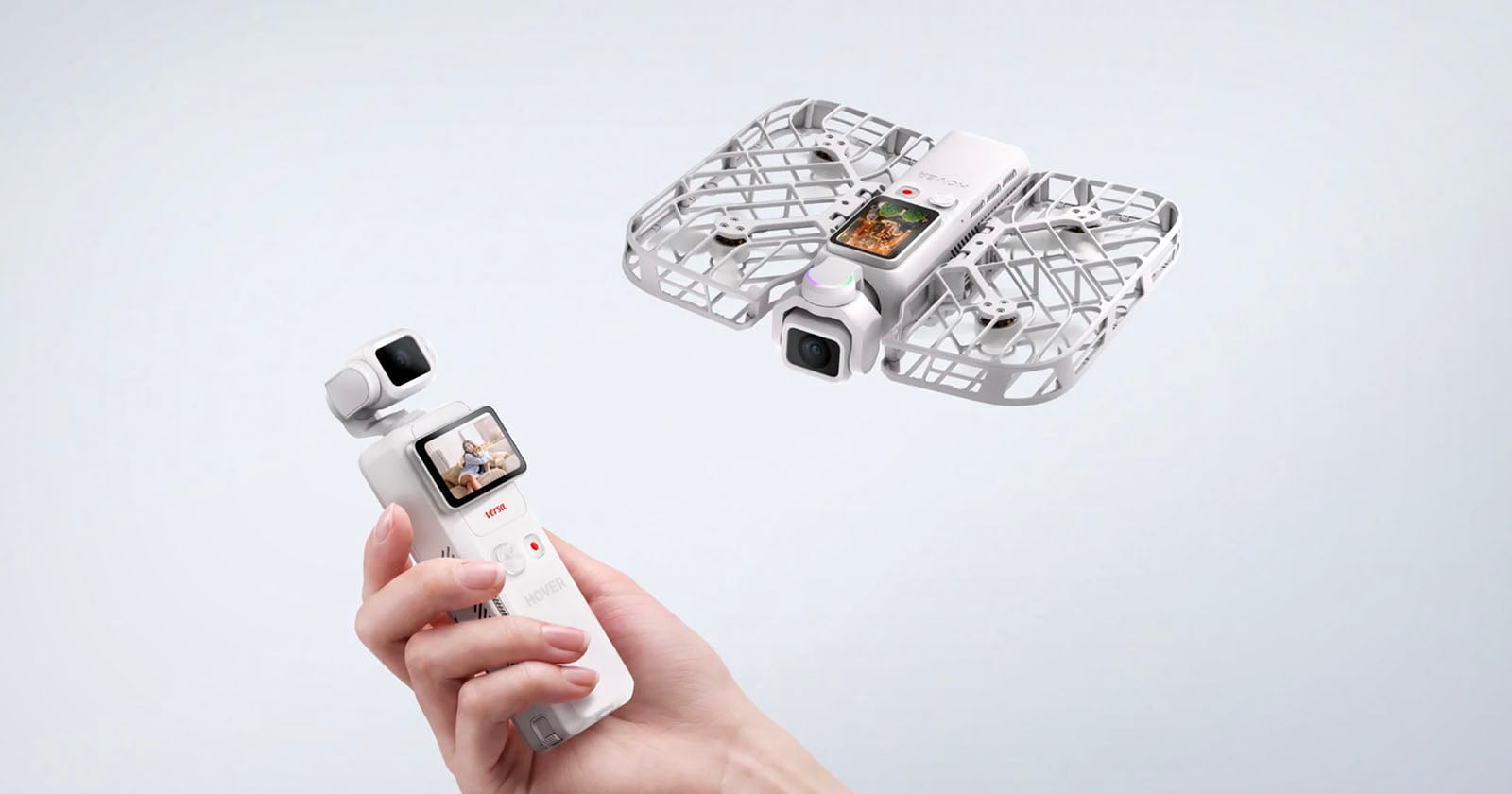
When HoverAir announced the world's first flying pocket camera, the Versa, late last month, it did so with relatively few details. Now the unique new camera has fully launched on Indiegogo, bringing with it a wealth of new information. With 59 days left in the campaign, HoverAir has already raised over $230,000 at the time of writing.
Read on the original site
Open the publisher's page for the full experience