‘World’s Worst Photographer’ Publishes Her Images From Iceland
Our take
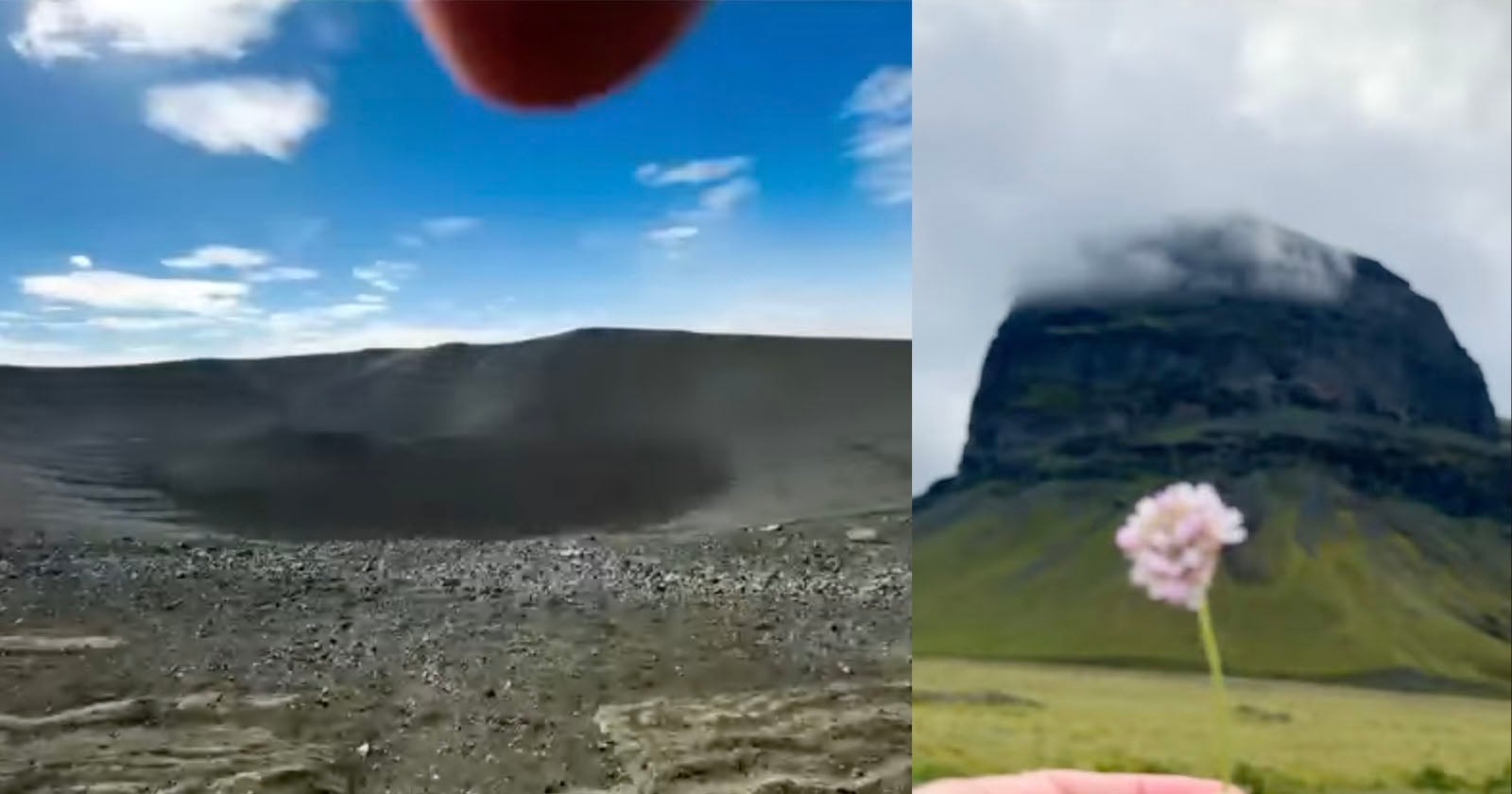
The internet’s latest fascination, the “World’s Worst Photographer” who unexpectedly secured a $50,000 prize and a trip to Iceland, has culminated in the public unveiling of her photographic portfolio. While the initial premise—a contest celebrating deliberately bad photography—might seem frivolous, the resulting attention highlights a fascinating shift in our perception of artistry and value. This phenomenon echoes broader trends within the creative landscape, where authenticity and a rejection of overly polished aesthetics are increasingly prized. Consider the candid, often imperfect, nature of mobile photography and the rise of lo-fi film; it’s a counter-movement against the hyper-curated feeds of social media. It’s also reminiscent of the lessons learned from endeavors like [How I Timelapsed the Solar Eclipse (and Everything I Learned Not To Do)], where embracing mistakes and documenting the process itself proves as valuable as the final product. The story further connects to the unexpected discoveries that can emerge, as seen in [Drone Photographer Accidentally Captures Devastating Nepal Mudslide], demonstrating that even unintentional captures can hold profound significance.
The irony, of course, lies in the fact that these “bad” photos, while technically flawed, have generated far more buzz and discussion than countless perfectly executed images. The appeal seems to stem from their raw, unpretentious nature. They represent a refreshing departure from the pressure to produce flawless, Instagram-worthy content. This isn’t about lacking skill; it’s about deliberately subverting expectations. It’s a playful commentary on the often-unrealistic standards we hold ourselves and others to, particularly within the visual arts. The fact that these images were captured in the stunning landscapes of Iceland only amplifies the contrast—the beauty of the location shines through the technical shortcomings, creating a strangely compelling aesthetic. It prompts us to question: does technical proficiency always equate to artistic merit, or can there be value in embracing imperfection? The story underscores the power of perspective and the inherent subjectivity of beauty.
Beyond the immediate amusement, this situation raises questions about the evolving definition of “art” in the digital age. The democratization of photography, fueled by smartphones and accessible editing tools, has blurred the lines between amateur and professional, between intentional creation and accidental capture. While technical skill remains undeniably important, the narrative surrounding an image—its context, its story, its emotional resonance—is gaining increasing prominence. The “World’s Worst Photographer” inadvertently tapped into this shift, demonstrating that a compelling narrative and a willingness to be vulnerable can often outweigh technical perfection. It's a validation of the idea that art isn’t always about mastery, but about connection and authenticity, a sentiment celebrated in [Award-Winning Documentary Celebrates Pioneering Black Photographers], which highlights the diverse stories and perspectives within the photographic medium.
Ultimately, the tale of the “World’s Worst Photographer” is a reminder that creativity thrives in unexpected places. It challenges us to broaden our definitions of beauty and value, and to appreciate the power of imperfection. As technology continues to advance and the means of visual creation become ever more accessible, will we continue to prioritize technical skill above all else, or will we embrace a more inclusive and nuanced understanding of artistry? The rise of this unlikely online sensation suggests a growing appetite for the latter, a desire for authenticity and a willingness to find beauty in the unexpected—a trend well worth observing as the creative landscape continues to evolve.
The "really bad photographer' who scored $50,000 and a 10-day trip to Iceland thanks to her terrible photos has revealed the images she took during her visit to the country.
Read on the original site
Open the publisher's page for the full experience