Your Camera is on Auto Mode. You Just Don’t Realize It
Our take
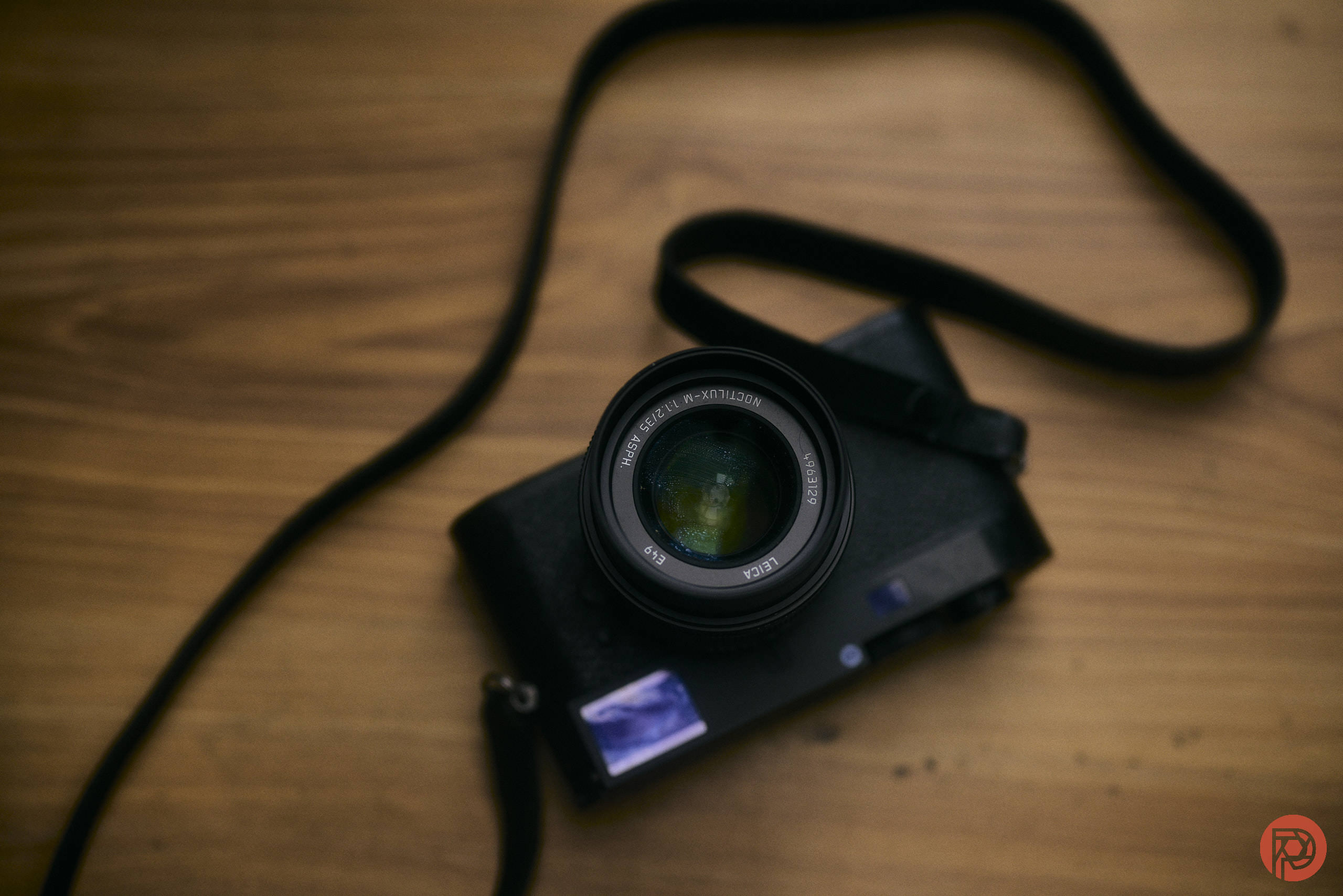
## Our Take: Reclaiming the Art in Digital Photography
The convenience of modern camera technology is undeniable. As the article “Your Camera is on Auto Mode. You Just Don’t Realize It” astutely points out, today’s devices are remarkably efficient, capable of handling a multitude of settings with minimal input from the photographer. This inherent intelligence, while liberating for casual users, presents a subtle challenge to those who seek a deeper connection with their craft. We’ve long championed the pursuit of artistic vision, as evidenced in pieces like [Haunting Photos Taken Under the Full Moon Turn Night Into Day], where Darren Almond’s deliberate embrace of unconventional lighting showcases the power of intentional choices. Similarly, the dedication required to document a complex environment, as seen in [Photographer Spends a Year with Inmates in Bulgaria’s Most Notorious Prison], highlights the value of focused effort and mindful composition – qualities that can be subtly eroded by over-reliance on automated settings. The ease of capturing an image risks diminishing the photographer’s role from artist to mere button-presser.
The shift towards effortless photography isn’t inherently negative. It democratizes the medium, allowing more people to document their lives and explore their creativity. However, for those striving to elevate photography beyond snapshotting, understanding and actively manipulating camera settings becomes crucial. The article’s call to action – to reclaim control – resonates deeply. It’s about moving beyond the perceived simplicity and recognizing the vast potential that lies within the technical aspects of image creation. Consider the exploration of inspiration in [How to Find Photography Inspirations Without Copying Movies and Social Media]; true artistry comes not from mimicking existing styles, but from a deliberate understanding of how to shape light, composition, and exposure to convey a unique vision. This requires a departure from the automatic and a willingness to experiment, to learn, and ultimately, to master the tools at hand.
The real beauty of photography, and what separates it from simply recording an image, lies in the deliberate choices made during the creative process. Adjusting aperture to control depth of field, manipulating shutter speed to capture motion, or fine-tuning white balance to evoke a specific mood – these are all acts of artistic expression. By understanding how these settings interact, photographers can translate their vision into tangible reality, crafting images that are not only technically sound but also emotionally resonant. It’s about cultivating a mindful approach, engaging with the camera as a tool for artistic exploration rather than a passive recorder of events. The modern camera is capable of incredible feats, but its true potential is unlocked when wielded by a photographer who understands its intricacies and embraces the responsibility of shaping the final image.
Ultimately, the evolution of camera technology compels us to reconsider the role of the photographer. Are we content to be passive observers, relying on algorithms to dictate the aesthetic qualities of our images? Or will we choose to actively engage with the technical aspects of the craft, reclaiming the art and forging a more intimate connection with our subject matter? The future of photography appears to be a balance – leveraging the efficiency of automation while retaining the creative control necessary to produce truly compelling and original work. The question remains: how will photographers choose to navigate this evolving landscape, and what new forms of artistic expression will emerge as a result?
Read on the original site
Open the publisher's page for the full experience