‘Your First and Last Camera Store’ is a Short Film About Portland’s Beloved Blue Moon
Our take
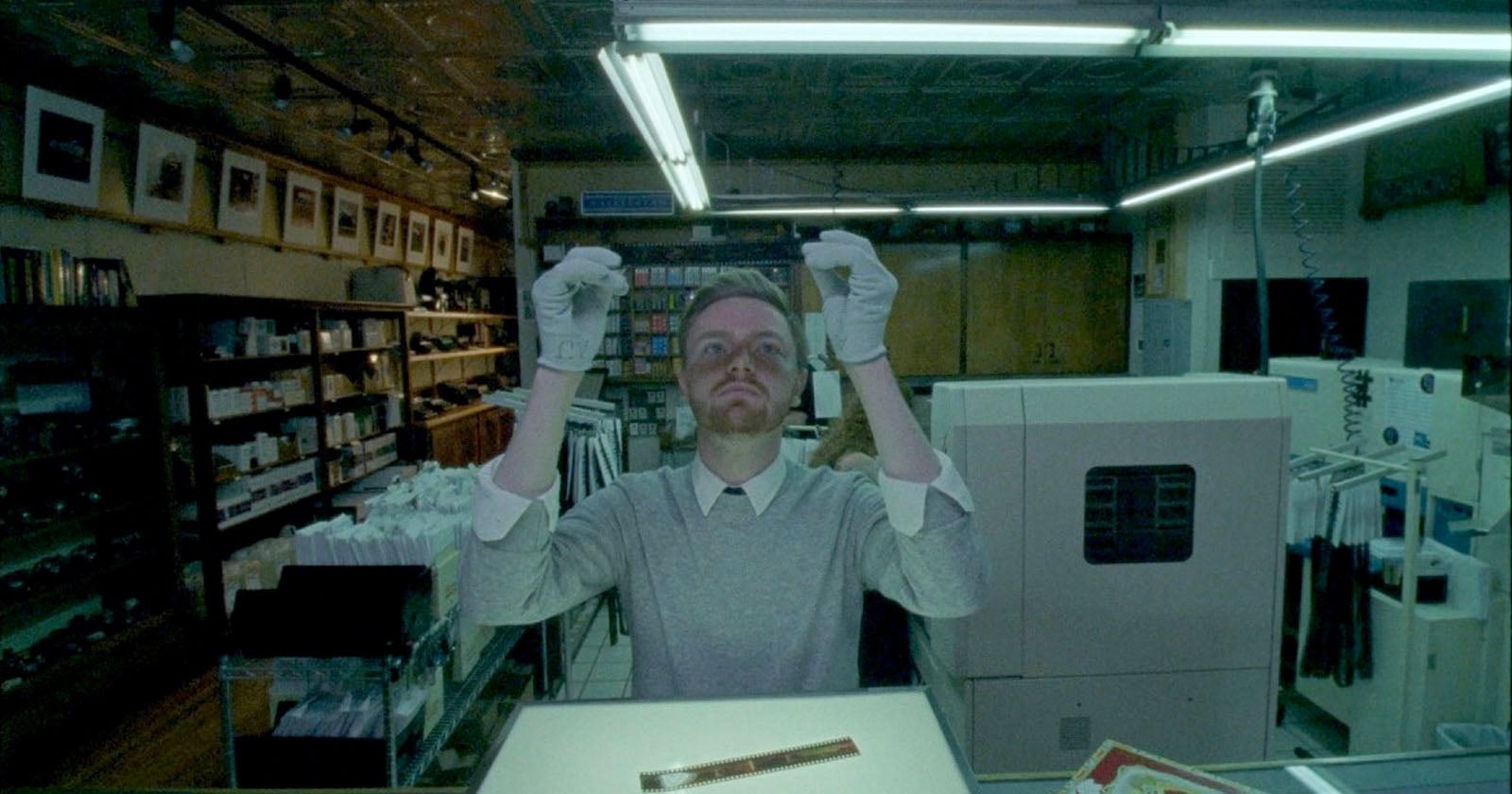
Our take on “Your First and Last Camera Store” invites you to linger in the quiet, curated corners of Portland’s photographic heritage, where a modest storefront became a vibrant cultural touchstone. When Jake Shivery unlocked the doors of Blue Moon Camera and Machine on a chilly December morning in 2001, the city already boasted eleven other camera shops. Yet the film captures a moment that feels less like a market entry and more like an artistic declaration—an immersive invitation to re‑imagine what a camera store can be. The narrative resonates with the same aspirational pulse that drives our community’s love for fitness, fashion, and fine‑art photography, reminding us that authenticity often blooms in the most unexpected spaces. For readers who crave a blend of heritage and forward‑thinking creativity, the story is a reminder that the most compelling experiences are curated, not merely sold. You may also appreciate how this ethos aligns with the bold, immersive storytelling found in our recent piece about a remote camera capturing an ultra‑rare jaguar roaming in Arizona mountains, which underscores the power of equipment as a conduit for wonder (Remote Camera Captures Ultra‑Rare Jaguar Roaming in Arizona Mountains), and how Apple’s upcoming iOS 27 update promises to let photographers customize their toolkits with unprecedented precision (Apple’s iOS 27 May Let Photographers Fully Customize the iPhone Camera App). Both articles echo the film’s central theme: technology is a canvas, and the spaces that nurture it can be as artistic as the images they produce.
What makes the Blue Moon story compelling is not just its nostalgic charm but its commentary on community resilience in an age of digital saturation. In the early 2000s, film was already receding, yet Shivery’s decision to open a brick‑and‑mortar haven suggests an intuitive belief that tactile practice still holds value. The film’s quiet scenes of patrons flipping through prints, the soft hiss of developing trays, and the ritual of loading a 35 mm cartridge become metaphors for the deliberate, mindful moments we seek in our wellness routines. By framing the store as “the first and last,” the documentary elevates it from a commercial venture to a cultural sanctuary—an aspirational model for any brand that wishes to blend authenticity with artistic sensibility. It reminds us that a curated environment can inspire both seasoned creators and curious newcomers, encouraging a deeper, more immersive engagement with the medium.
From an industry perspective, the film underscores a subtle shift that many boutique retailers are already navigating: the balance between heritage and innovation. Blue Moon’s endurance, despite the onslaught of online giants and smartphone ubiquity, illustrates how a physical space can thrive when it offers more than inventory—it provides experience. The shop’s aesthetic—exposed brick, warm lighting, rows of vintage lenses—creates a backdrop that feels simultaneously timeless and contemporary, echoing our brand’s commitment to stylish, contemporary storytelling. For creators who blend fitness and fashion, the lesson is clear: authenticity is cultivated through environments that celebrate the process as much as the product. That philosophy can translate into pop‑up studios, curated wellness retreats, or limited‑edition collaborations that feel both exclusive and accessible.
Looking ahead, the film poses an intriguing question for the creative community: as AI‑driven tools reshape image‑making, will the demand for physical, tactile spaces like Blue Moon experience a renaissance or a quiet fade? The answer may lie in how brands choose to curate experiences that are both immersive and authentic, inviting audiences to step beyond the screen and into a world where every click, every stretch, every stitch feels deliberately crafted. Watching this short film is an invitation to consider how we, as creators and consumers, can protect and celebrate the intimate rituals that give our artistic lives depth and meaning.
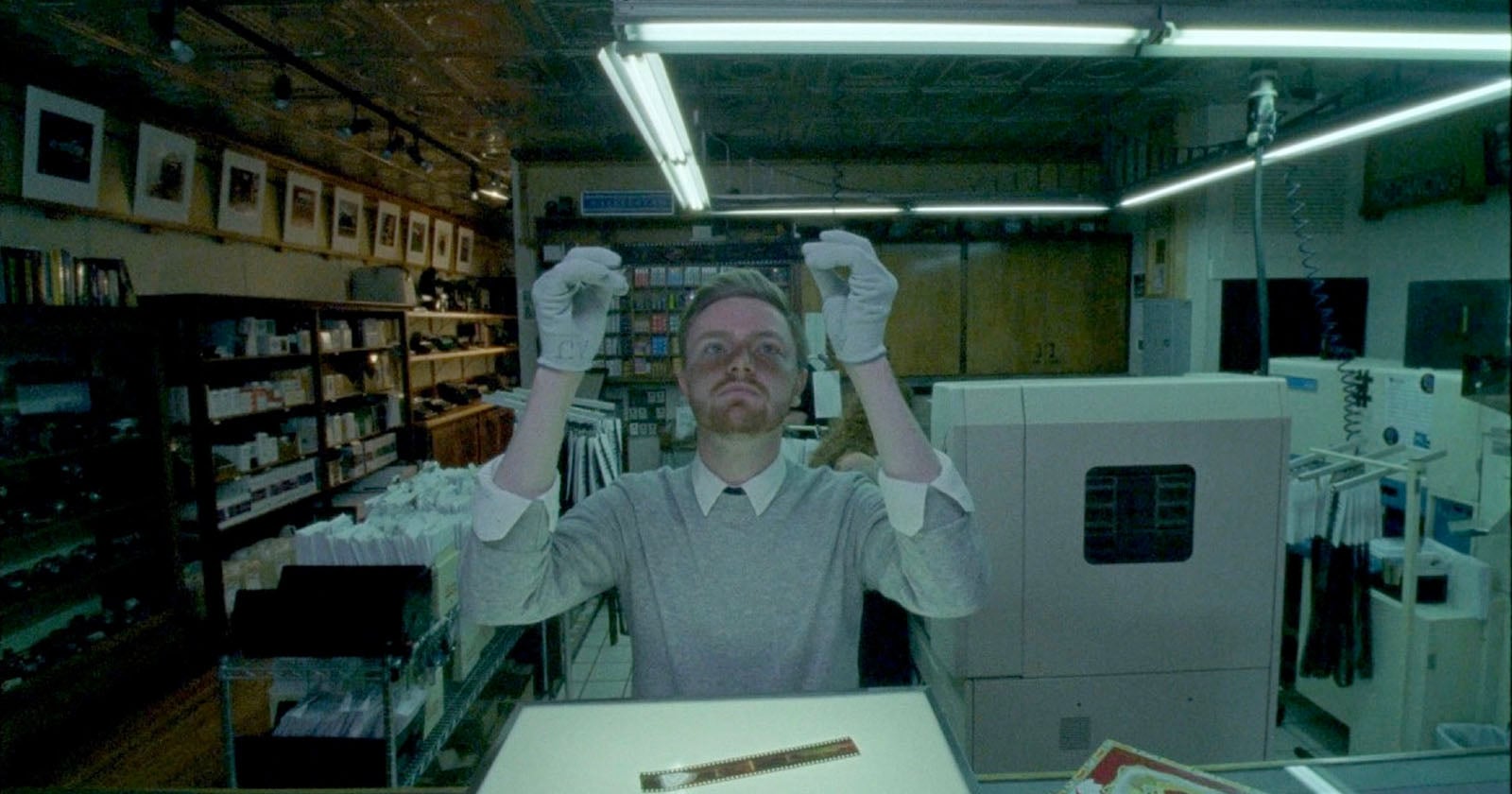
In 2001, Jake Shivery opened Blue Moon Camera and Machine in Portland's St. John's neighborhood. At the time, there were 11 other camera stores across the city, but Shivery decided to open a shop anyway. On December 1, he opened the doors -- and no one came.
Read on the original site
Open the publisher's page for the full experience