Zack Snyder’s ‘The Last Photograph’ Is Getting Destroyed by Critics
Our take
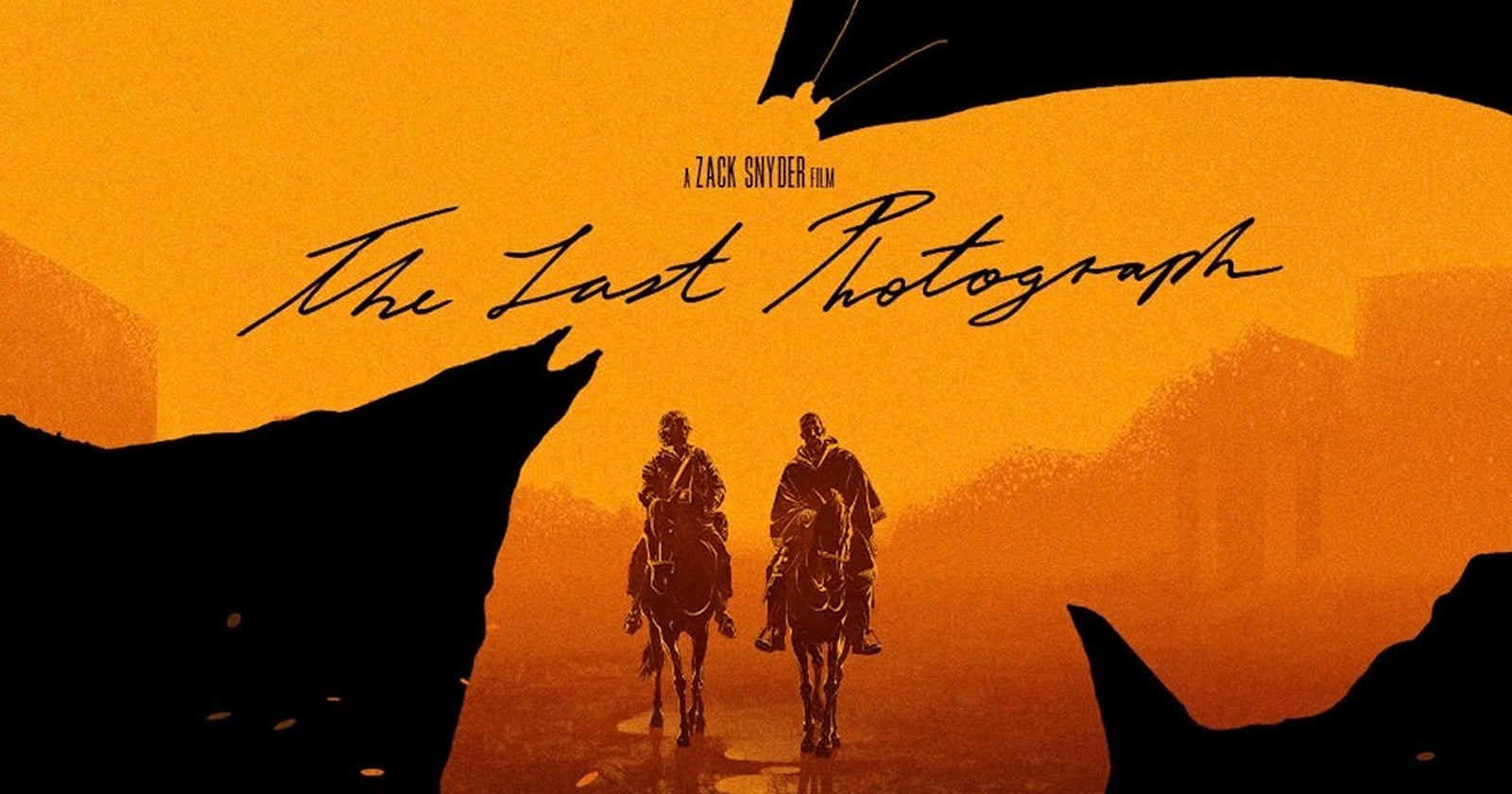
The reception of Zack Snyder’s *The Last Photograph* is sparking a fascinating, if predictable, conversation about auteurship, audience expectation, and the evolving landscape of visual storytelling. The stark division among critics – a familiar pattern for Snyder’s work – underscores a deeper tension within the film industry itself: the struggle to reconcile artistic vision with commercial viability, particularly when that vision leans heavily into stylized aesthetics. Snyder’s films have consistently drawn polarized responses, often lauded for their visual flair and meticulous world-building, yet criticized for perceived narrative shortcomings or an overreliance on spectacle. This latest project, reportedly a deeply personal exploration of loss and memory framed through a striking photographic lens, seems to have amplified these existing fault lines. It’s a moment that echoes previous debates surrounding directors like David Lynch or Darren Aronofsky, where the unwavering commitment to a singular artistic voice can simultaneously captivate and alienate. The film’s visual style, heavily influenced by Snyder's signature slow-motion and desaturated color palettes, is clearly a defining element, and the critics’ reactions seem to hinge largely on whether that style serves the narrative effectively, or if it becomes an end in itself. We’ve seen similar conversations around Snyder’s previous projects, like *Man of Steel* Zack Snyder's Man of Steel: A Retrospective, where the visual grandeur was often overshadowed by criticisms of the plot. The current discourse surrounding *The Last Photograph* also highlights the increasing scrutiny of visual storytelling in an era saturated with imagery. Audiences are more discerning than ever, accustomed to meticulously crafted visuals across various platforms, from film and television to video games and social media. Snyder's distinctive style, once considered groundbreaking, now faces a higher bar of expectation. The sheer volume of visually rich content available means that a film’s aesthetic alone is no longer sufficient to guarantee success; it must be seamlessly integrated with a compelling narrative and emotionally resonant characters. The initial reports suggest that while the cinematography and production design are undeniably impressive, the story itself may be struggling to connect with some viewers. This is a challenge for any director, but particularly so for one whose reputation is so inextricably linked to their visual style. It's worth considering the impact of streaming platforms on this dynamic; the demand for high-quality visuals has never been greater, yet the pressure to deliver accessible, broadly appealing narratives remains intense. The evolution of visual effects, as explored in a recent piece on the rise of AI-assisted filmmaking AI and the Future of Filmmaking, further complicates the landscape, blurring the lines between artistry and technological innovation. Beyond the immediate reactions to *The Last Photograph*, the film's trajectory could have significant implications for the future of auteur-driven projects within the blockbuster space. Studios are increasingly hesitant to invest heavily in films that deviate significantly from established formulas, fearing financial risk. Snyder’s career, marked by both commercial successes and critical disappointments, serves as a cautionary tale about the delicate balance between artistic freedom and audience appeal. The film’s performance at the box office, and the longevity of the critical conversation surrounding it, will likely influence studio decisions regarding similar projects in the future. Will studios continue to provide platforms for directors with distinctive visions, even if those visions are polarizing? Or will the pressure to maximize returns lead to a homogenization of cinematic styles? The debate around Snyder's work, and this film specifically, is intertwined with broader discussions about artistic risk-taking and the role of the director in an increasingly data-driven industry. The recent success of films like *Everything Everywhere All at Once* Everything Everywhere All at Once: A Critical Analysis, which embraced a maximalist aesthetic and unconventional narrative structure, suggests that audiences are still receptive to bold, original filmmaking, but the path to achieving that success remains complex and uncertain. Ultimately, *The Last Photograph* presents a compelling case study in the challenges of navigating the contemporary film landscape. As audiences become more sophisticated and the visual language of cinema continues to evolve, the question remains: can a director’s unwavering artistic vision coexist with the demands of a commercially viable film?
Zack Snyder's long-awaited passion project has premiered, and critics are sharply divided.
Read on the original site
Open the publisher's page for the full experience