Zeiss Is Still Making These Six DSLR Lenses Because They’re So Popular
Our take
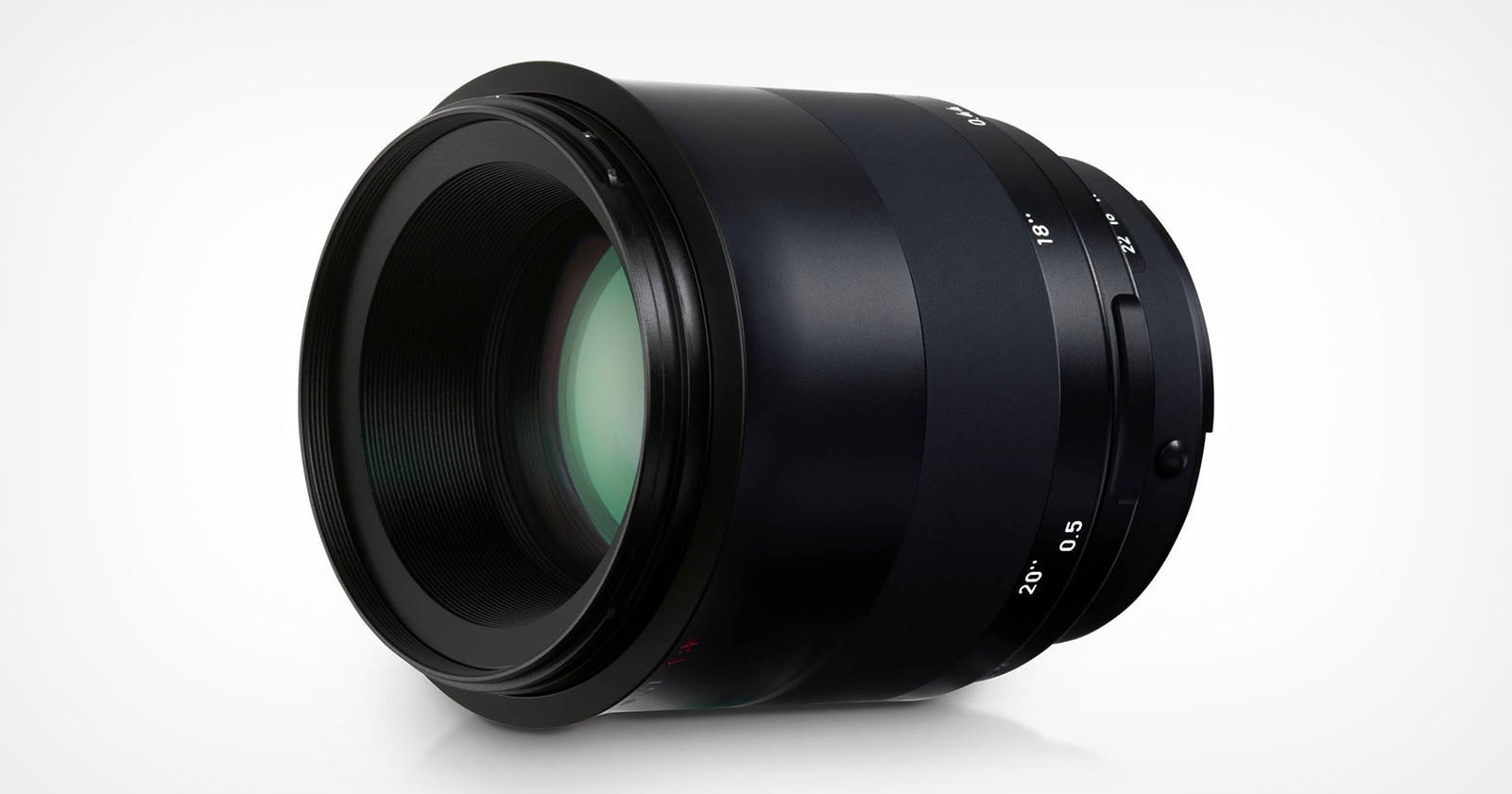
The recent news regarding Zeiss’s lens production sparked quite a stir in the photography community, initially suggesting a full retreat from DSLR optics with the discontinuation of the Otus line. However, Zeiss’s swift clarification—that they’ll continue manufacturing six popular DSLR lenses—reveals a nuanced and, frankly, reassuring strategy. This isn’t a complete abandonment of the DSLR ecosystem, but rather a recalibration in response to evolving market demands. It underscores a broader trend we’ve observed with technological advancements impacting photography; while mirrorless systems dominate the conversation, a dedicated, high-quality segment of DSLR users remains, and Zeiss recognizes the value in serving that niche. The continued support for these lenses speaks volumes about their enduring quality and the loyalty of photographers who rely on them. Examining this alongside recent developments like the [Honor Magic V6 Review: A Foldable Phone That Takes Photos Like a Slab] highlights the ongoing quest for exceptional image quality regardless of camera form factor, and the willingness of manufacturers to adapt to specialized needs. Similarly, Neewer’s release of the [Neewer Q120 and Z3R: Compact Power Meets Modern TTL Control] demonstrates the persistent innovation within the accessories market, catering to photographers seeking specific functionalities.
The decision to maintain production on these six lenses isn't simply about sentimentality or honoring legacy products. It’s a pragmatic business choice rooted in consistent demand. These lenses, part of the Milvus line, have earned a reputation for exceptional sharpness, contrast, and overall optical performance, placing them among the most highly regarded in the industry. Discontinuing them would have alienated a dedicated base and potentially damaged Zeiss’s reputation for quality and reliability. While the shift towards mirrorless systems is undeniable, the DSLR market, particularly for professional and serious hobbyist photographers, hasn't vanished entirely. Many photographers have invested heavily in DSLR ecosystems and continue to prefer the ergonomics, familiarity, and robustness of these cameras, making high-quality lenses like Zeiss’s indispensable. The fact that Zeiss is willing to maintain production – albeit a smaller selection – demonstrates a level of commitment to the DSLR platform that many other manufacturers have abandoned. This also reflects a broader understanding that catering to specialized communities, even smaller ones, can be a profitable strategy when the products are truly exceptional.
This situation also invites a deeper consideration of the concept of "legacy" in the photography world. Technological advancements often lead to the obsolescence of older equipment, but certain products transcend mere functionality and become iconic embodiments of photographic excellence. Zeiss lenses, particularly those from their classic and contemporary lines, fall firmly into this category. Maintaining production ensures that these tools remain accessible to photographers who appreciate their unique characteristics and seek to preserve a particular aesthetic or workflow. It acknowledges that innovation isn’t solely about creating something entirely new; it can also involve sustaining the quality and availability of proven technologies. The continued availability of these lenses, while perhaps not a primary focus for Zeiss, strengthens their brand image and reinforces their commitment to photographic excellence across all platforms. It’s a subtle but powerful message that resonates with a discerning audience.
Looking ahead, it will be fascinating to observe how Zeiss navigates the evolving landscape of photography. Will they continue to support these DSLR lenses in the long term, or is this a temporary measure? The success of these lenses will ultimately dictate their future, but the fact that they're still being produced speaks to a resilience and a commitment to quality that's rare in today's rapidly changing market. Furthermore, the ongoing investment in mirrorless lens development, as highlighted by the impressive capabilities of devices like the [The Ultimate High-Protein Shakshuka Recipe], suggests a future where Zeiss will likely prioritize mirrorless innovation. The question remains: can Zeiss maintain a foothold in the DSLR market while simultaneously establishing itself as a leader in the mirrorless realm, or will we eventually see a complete transition away from DSLR-specific optics?
After reporting that Zeiss has discontinued its legendary Otus lenses for DSLR cameras, Zeiss alerted PetaPixel that while, yes, it has adapted its product portfolio, some of the company's DSLR lenses are so popular that the company will keep making them.
Read on the original site
Open the publisher's page for the full experience