Malta-Flagged Cruise Ship Becomes First To Transit Strait Of Hormuz After 47-Day Standstill
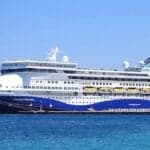


A Malta-flagged cruise vessel, Celestyal Discovery, has become the first passenger ship to transit the Strait of Hormuz since the outbreak of the West Asia conflict.
According to data from MarineTraffic, the vessel departed Dubai on 17 April after remaining docked for approximately 47 days and successfully crossed the strait.
The ship is currently sailing towards Muscat, Oman, with arrival expected on 18 April. Per reports, the vessel is operating without passengers.
The cruise ship had been berthed in Dubai since early March as regional tensions escalated, disrupting commercial and passenger shipping activity across the Gulf.
Its transit marks the first confirmed movement of a cruise vessel through the strait since the conflict began in late February.
Data from maritime tracking platforms shows that vessel traffic in the region had dropped sharply during the period, with cruise ships and several commercial vessels remaining anchored or delaying voyages due to security concerns.
Following the crossing, signs of gradual recovery in maritime traffic have emerged. Per reports, multiple cruise ships previously held in Gulf ports, including vessels in Doha and Abu Dhabi, have begun preparing for departure or have already left.
Another cruise vessel, Celestyal Journey, was also identified departing Doha around the same time.
The strait, which handles a significant share of global crude oil and liquefied natural gas shipments, had been largely inaccessible for nearly two months.
Iranian authorities, however, have maintained that navigation through the strait will remain under strict control.
Mohammad Bagher Ghalibaf stated that passage would be permitted only through designated routes and with Iranian authorisation.
He added that decisions regarding the status of the waterway would be determined by operational conditions rather than public statements.
Further clarification from Iran’s Foreign Ministry suggested that shipping would be allowed along pre-determined corridors. Officials also warned that any continuation of restrictions on Iranian ports could trigger reciprocal measures.
On the other side, Donald Trump said that any agreement with Iran would take effect only after it is fully finalised.
While speaking at a public event, he claimed that the strait was open for business, but confirmed that US naval measures against Iran would remain in place until a complete agreement is reached.
The United States had earlier implemented a naval blockade targeting Iranian ports, warning of strong action against any attempts to challenge it.
The current ceasefire, which has allowed limited resumption of maritime activity, is set to expire on 22 April, although there are indications it could be extended.
Before the conflict, the Strait of Hormuz accounted for the transit of nearly one-fifth of the world’s oil and gas supplies, making it a critical chokepoint for global energy markets and international shipping.
References: Euronews, theprint
Want to read more?
Check out the full article on the original site