NSF NOIRLab
NSF NOIRLab on Lee LHGFX Photography: a running collection of 2 stories we have gathered and hand-picked because they are worth your time. Every post here touches on nsf noirlab in some way — the news, the analysis, the deep dives, and the occasional surprise find. Lee LHGFX Photography is a dynamic portfolio and lifestyle hub built around the artistic work of @lee_lhgfx — a highly engaged Instagram creator and photographer known for… New stories are added to this page as we find them, so check back if you want to keep up with what is happening around nsf noirlab, or subscribe to the RSS feed to get them as soon as they are published. Browse the collection below, or head back to the homepage to see everything Lee LHGFX Photography is covering right now.
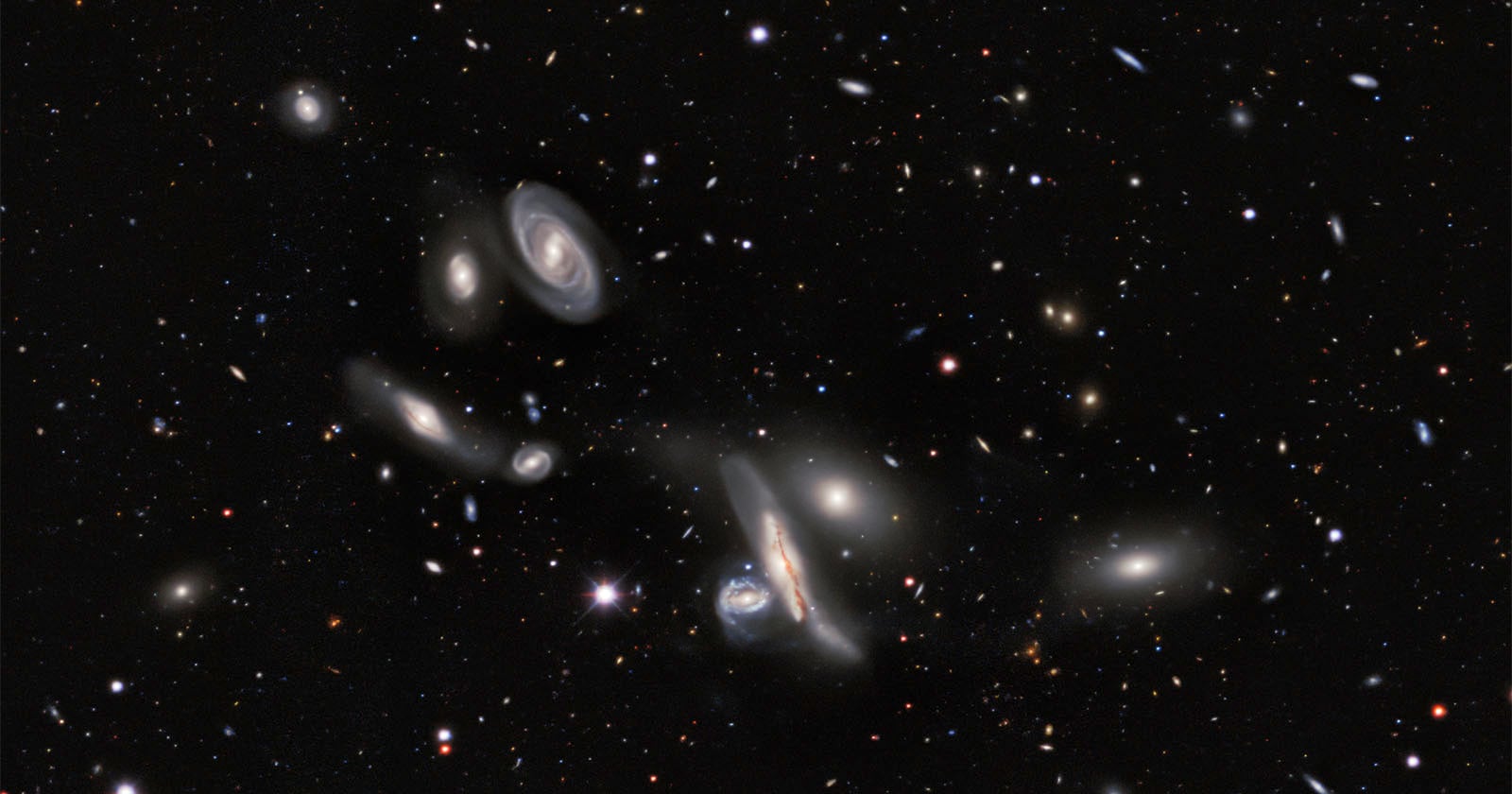
Biggest 2D Map of the Universe Took 13 Years and 263,407 Photos to Make
Behold the most expansive 2D map of the Universe ever created. Scientists, utilizing the NSF NOIRLab’s NOIRLab telescopes over 13 years and a staggering 263,407 photographs, have unveiled this monumental achievement, covering three-quarters of the sky. The DESI Legacy Imaging Surveys catalog details nearly four billion celestial objects, offering an unprecedented view of cosmic structure. This immersive exploration of the cosmos builds upon discoveries like those revealed by the James Webb Space Telescope, such as the vibrant beauty of the Lion Nebula. [Read More].

Astronomers Capture ‘Exceptionally Rare’ Star Explosion for Only the Second Time in 20 Years
Witnessing a stellar explosion is a rare event, and astronomers have just captured one—only the second such observation in two decades. The Einstein Probe, a collaborative project between the Chinese Academy of Sciences and the European Space Agency, initially detected a fleeting X-ray flash emanating from a galaxy 500 million light-years away. Subsequent observations by ground-based telescopes revealed a spectacular, and exceptionally rare, star death. For those captivated by advancements in astronomical observation, explore Vaonis’ newest smart telescopes for astrophotography.